Choosing Electric Hand Shears For Gardening is not simply about picking the fastest tool. The right pair should suit the plants, cutting tasks, and hand comfort involved. Thin rose stems and soft herbs need less cutting power than established shrubs. Check the stated cutting capacity, blade material, tool weight, and battery runtime before comparing prices. A model that feels light in a shop may feel tiring after an hour of pruning.
Look closely at the grip and controls. Can you reach the trigger comfortably? Does the tool feel balanced when held at shoulder height? These small details matter. Battery life also depends on branch thickness, temperature, and how continuously the shears are used, so advertised runtime is only a guide. For regular garden work, consider whether replacement blades and batteries are easy to obtain. Read the manufacturer’s instructions, and confirm that the tool is designed for the plants and branch sizes you plan to cut. A clean, sharp blade can make pruning easier and help produce neater cuts, but it still needs proper care. There is no perfect model for every gardener. Even careful comparisons can miss something; handle the shears in person if possible, and think about which compromises you can live with.
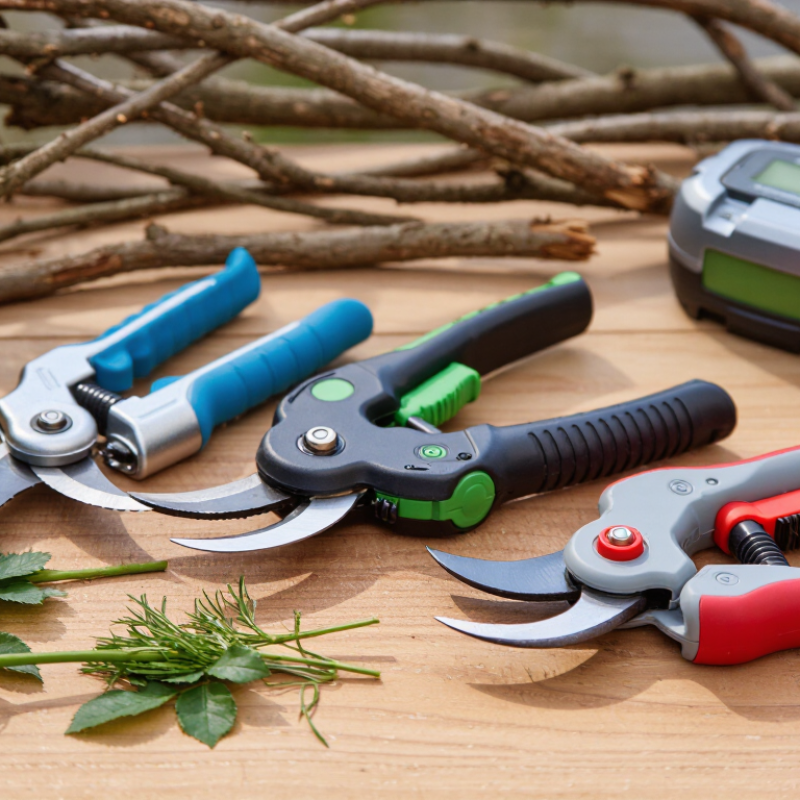
Before choosing electric hand shears, list the jobs waiting in your garden. Are you shaping soft new growth, removing dead twigs, or thinning crowded shrubs? Each task asks for different control. Light pruning around roses needs a compact tool that feels steady near delicate stems. Trimming several fruit-tree branches may call for a stronger cutting capacity and a battery that lasts through the work. That matters.
Check the diameter of the branches you actually cut, not just the thickest one you can find. Measure a few typical stems with a ruler, then compare them with the shears’ stated capacity. A tool may handle that size in fresh, green wood but struggle with dry, dense branches. Don’t force it. A stalled blade can leave a ragged cut, and repeated strain may wear the mechanism. For branches beyond the tool’s rating, use a suitable hand saw instead.
Also consider where you’ll be cutting. Dense hedges and awkward angles reward lighter shears with a narrow head; pruning overhead for long stretches makes weight even more noticeable. If your garden has mixed plants, think about the most common job, not the occasional oversized limb. I’d be cautious about buying extra power “just in case”—it can add weight without improving everyday control. A small note of doubt helps: gardening needs change, so reassess your plants and branch sizes each season.
Electric hand shears differ most in blade action and the diameter they can cut cleanly. Bypass blades pass each other like scissors, making them a sensible choice for green stems and precise pruning. Anvil blades press material against a flat surface, which can suit dry, dead wood, though they may crush tender stems. Keep the distinction practical. Purdue Extension’s pruning guidance places typical hand pruners at about ¾ inch and loppers at about 1½ inches. These are useful reference points, not guarantees for powered tools.
Check the stated cutting capacity against the branches in your garden, not just the largest number on a product label. A shear rated for 25 millimeters may struggle with hard, dry wood near that limit. For cleaner cuts, choose capacity with some headroom. Small detail. Also inspect the blade opening and head shape; a bulky head can be awkward among dense rose canes or close to a branch collar.
Motor power matters, but wattage alone does not predict a clean cut. Compare voltage, battery capacity, cutting speed, and whether the tool slows under load. If technical specifications omit motor wattage, do not assume a higher voltage means stronger cutting. Try a representative branch, if possible, and note whether the blade stalls or leaves a ragged edge. I’d treat advertised capacity cautiously: branch species, dryness, and blade sharpness all change the result.
Compare blade type and cutting capacity, then check the motor specifications for the specific tool.
How to read this chart: The bars show indicative cutting-capacity ranges commonly found across products, not guaranteed limits for every blade type. Bypass blades make a clean cut on green stems; anvil blades press stems against a flat surface and can suit dry or woody material. Check the manufacturer’s stated capacity for the exact tool and the plant material you intend to cut.
Motor power: Power is a product-specific specification, not a property of the blade type. Compare rated watts when available, but note that cordless tools may list battery voltage instead; voltage alone does not indicate cutting capacity. For thicker or frequent cuts, check the tool’s rated capacity and duty guidance rather than relying on power figures alone.
Battery runtime should match the work you actually do. A small courtyard with a few shrubs needs less capacity than a long hedge or several fruit trees. Check whether the stated runtime reflects continuous cutting or occasional use; real garden work usually includes pauses and thicker branches. If possible, test the shears on stems similar to those in your garden. A spare battery can help, but it adds cost and may be unnecessary for light pruning.
Tool weight matters after the first few minutes. Hold the shears at shoulder height and make several careful cuts. Notice whether your wrist tilts or your grip tightens. A slightly heavier tool may feel steady, yet repeated overhead work can make it tiring. Handle shape, trigger reach, and balance also affect control, especially for smaller hands. Specs alone won’t tell you everything. It is easy to underestimate fatigue.
Tips: Try the tool with gloves on. Check that the safety lock is easy to reach, and that the blades open and close smoothly. Take a short break during a test; comfort after a pause can reveal what a quick demo misses.
When choosing electric hand shears, inspect the safety system before comparing cutting speed. Look for a blade guard, a trigger lock, and a control that stops the blades when released. These features reduce accidental starts, but they cannot replace careful handling. Check that the grip stays secure with gardening gloves on. A tool that feels balanced near the wrist is easier to guide around stems and fingers. Try the controls before buying, if possible. Small switches can be awkward.
Maintenance affects how reliably shears cut through the season. Check whether the blades can be cleaned, sharpened, and removed without specialized tools. Sap left on the cutting edges can make them drag, especially after pruning sticky growth. Wipe blades after use, then follow the maker’s instructions for lubrication. Battery care matters, too. Confirm the battery and charger are available separately, and ask whether replacement blades, screws, and guards can be ordered. Parts availability is easy to overlook. I have learned that the hard way.
Tips: Before each session, inspect the blade for looseness or damage. Clear plant debris with the tool switched off and the battery removed. Store it dry. If a cut looks crushed rather than clean, pause and check blade sharpness; forcing the tool is rarely helpful.
Choose electric hand shears around your garden’s actual workload, not the largest branch listed on the package. For roses and herbs, a light tool with a comfortable grip may matter more than maximum cutting capacity. For mature shrubs, check the stated branch diameter and whether the blades can be replaced. Battery weight counts, too. A tool that feels fine in a shop can tire your wrist after twenty minutes. A small detail.
The U.S. Bureau of Labor Statistics projects 5% employment growth for grounds maintenance workers from 2023 to 2033, in its Occupational Outlook Handbook. These workers regularly use hand and power tools; the figure is not a measure of home-garden demand, but it reflects the ongoing nature of maintenance work. For frequent pruning, compare battery runtime, charge time, and spare-battery cost—not just the tool’s sale price. For occasional use, a smaller battery may be enough. Check that the safety lock is easy to reach with gloves, and clean sap from the blades after use. I would still test the balance in hand if possible; published specifications rarely reveal an awkward grip. Tie your budget to the tool’s likely seasons of use, and leave room for blade care.
| How to Choose Electric Hand Shears for Gardening - Match Shear Features to Your Garden and Budget | ||||
|---|---|---|---|---|
| Garden and Typical Tasks | Useful Cutting Capacity | Features to Prioritize | Budget Consideration | Practical Checks Before Buying |
| Small garden, balcony, or a few container plants; occasional trimming of flowers and soft stems | About 10–15 mm for light, fresh growth | Lightweight design, comfortable grip, simple controls, and a battery suited to short sessions | Entry-level models may be sufficient when use is occasional and branches are thin | Check the tool’s stated maximum cutting diameter and whether it applies to fresh or dry wood |
| Mixed home garden with shrubs, roses, and routine seasonal pruning | About 15–25 mm, depending on wood type and tool design | Good balance, replaceable or serviceable blades, safety lock, and a battery with enough runtime for the workload | Mid-range options can offer a practical balance of comfort, battery capacity, and durability | Compare the complete kit contents, including battery, charger, blade cover, and any carrying case |
| Large garden or frequent pruning of many shrubs and fruit trees | Choose a rated capacity that covers the branches you actually cut; thicker or harder wood may require more effort | Higher usable battery capacity, comfortable handling over longer sessions, spare battery availability, and accessible replacement blades | A higher initial cost may be worthwhile if it reduces downtime or supports frequent use | Look for clear runtime information and check whether replacement batteries and blades are readily available |
| Vines, soft stems, and repeated precision cuts | Often 10–20 mm is adequate; match the rating to the thickest stems in the garden | Clean cutting action, a narrow blade profile for access, and a trigger or control that feels easy to operate repeatedly | A compact model may be more useful than paying for a larger cutting capacity you rarely need | Test grip comfort if possible, especially if you have smaller hands or plan extended pruning sessions |
| Pruning tougher, woody branches | Use the manufacturer’s stated limit as a guide, not a guarantee for every wood type | Sturdy blades, overload protection, suitable battery output, and a design intended for woody growth | Consider whether a pruning saw or loppers would be safer and more suitable for branches beyond the tool’s rating | Do not force the blades through oversized branches; follow the manual’s limits and care instructions |
| Any garden where portability and low fatigue matter | Base capacity on your plants, then compare tool weight and balance | Comfortable grip, manageable total weight with the battery fitted, and a secure safety mechanism | Compare the price of the bare tool with the price of a kit; a bare tool is useful only if you already have a compatible battery system | Check the listed weight with the battery included, not just the tool-only weight |
Build your system. Protect your boat. Join the movement.