Why Choose Hydraulic Pumps for Your Business Needs?
In today's competitive industries, selecting the right tools is crucial. Hydraulic Pumps have emerged as a vital component for various sectors, from construction to manufacturing. According to a recent market analysis by Allied Market Research, the global hydraulic pumps market is projected to reach $13.96 billion by 2025. This rapid growth underscores the importance of hydraulic solutions.
Expert insights reinforce this trend. John Perkins, an authority in fluid power systems, notes, "Hydraulic Pumps are the backbone of efficient systems, enabling precise movement and control." This statement highlights the critical role these pumps play in enhancing operational efficiency.
However, businesses must carefully evaluate their specific needs. Not every hydraulic pump is suitable for every application. An effective choice can lead to substantial improvements, yet the wrong decision may result in costly downtimes. Weighing performance, durability, and compatibility is essential for maximizing the benefits of hydraulic systems. Understanding these factors can help ensure a more reliable and efficient operation.
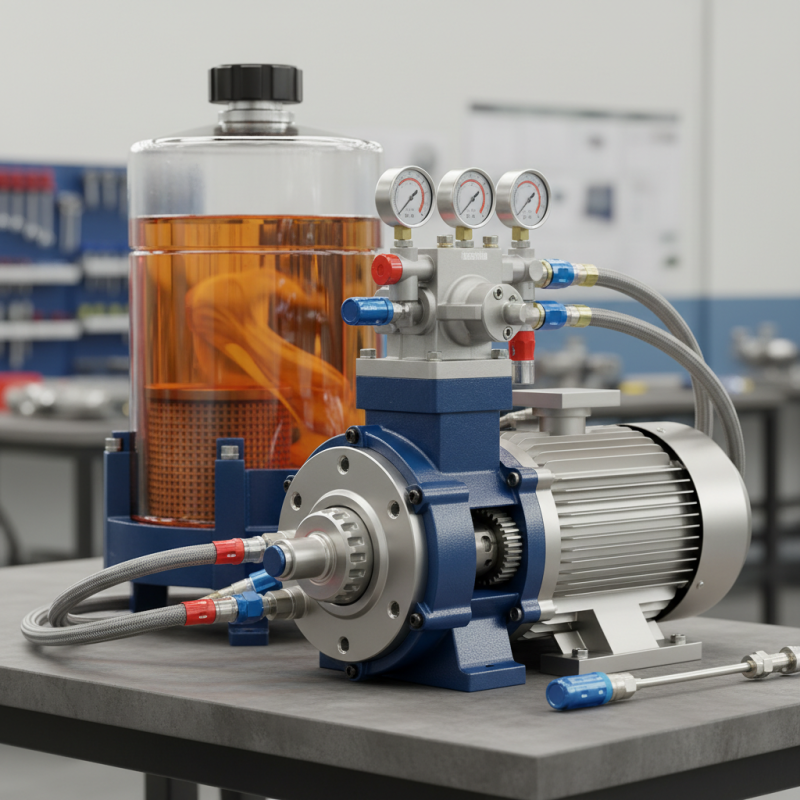
Benefits of Hydraulic Pumps in Industrial Applications
Hydraulic pumps play a crucial role in many industrial applications. Their ability to generate high-pressure fluid power makes them essential in sectors like manufacturing, construction, and agriculture. According to a report by Research and Markets, the hydraulic pump market is projected to grow at a CAGR of 3.5% from 2021 to 2026. This growth reflects their increasing importance in optimizing operational efficiency.
The benefits of hydraulic pumps are evident in their versatility. They can handle heavy loads with precision, making them ideal for lifting and pressing tasks. Hydraulic pumps can operate in harsh environments, which is critical in sectors that require resilience. The International Journal of Advanced Research indicates that hydraulic systems can increase productivity by up to 20%. However, not all systems implement best practices, leading to inefficiencies and increased maintenance costs.
One challenge in using hydraulic pumps is the risk of leaks, which can lead to safety hazards and environmental concerns. The U.S. Environmental Protection Agency reported that hydraulic fluid leaks are a significant issue in industrial settings. Proper training and maintenance are essential to mitigate these risks. Ensuring that operators understand the system's complexity can reduce the chances of error and improve overall performance. This highlights the need for ongoing education in hydraulic system management.
Key Types of Hydraulic Pumps and Their Functions
Hydraulic pumps are essential in various industries. They provide efficient power transmission for numerous applications. Understanding their types and functions can significantly impact business operations.
There are three main types of hydraulic pumps: gear pumps, vane pumps, and piston pumps. Gear pumps are known for their simplicity and durability. They excel in applications requiring moderately consistent flow and high efficiency. According to industry reports, gear pumps account for nearly 38% of the hydraulic pump market due to their reliability.
Vane pumps are favored for their smooth flow and quiet operation. They perform well at lower pressures. Their flexibility allows them to be used in diverse applications, from automotive to industrial machinery. However, they may not be suitable for high-pressure situations. Piston pumps are ideal for high-pressure needs, often achieving up to 3,000 PSI. They are complex and require more maintenance, raising concerns about long-term reliability.
Choosing the right pump depends on specific operational needs. Each option has its advantages and drawbacks. Companies must analyze their requirements thoroughly. Investing in the wrong type can lead to inefficiencies and higher operational costs. Understanding these variables can help businesses optimize their hydraulic systems.
Comparison of Key Types of Hydraulic Pumps
This chart illustrates the various types of hydraulic pumps commonly used in industrial applications, showcasing their flow rates and typical operational pressures.
Comparative Analysis: Hydraulic Pumps vs. Electric Pumps
Hydraulic pumps and electric pumps each have unique advantages for various applications. Hydraulic pumps excel in high-pressure environments, providing exceptional force and efficiency. According to the Hydraulic Institute, hydraulic systems typically achieve higher efficiency rates, often exceeding 90%. Electric pumps, on the other hand, are generally easier to install and maintain, making them appealing for smaller tasks.
Choosing between these two depends on the specific needs of a project. Hydraulic pumps work well in construction and manufacturing, where power is critical. Electric pumps are favored in residential applications, where noise and energy consumption matter more. A study from the U.S. Department of Energy notes that electric pumps consume less energy and have lower operational costs in such scenarios.
Tips: Assess your operational pressure requirements before making a decision. Consider the installation space; hydraulic systems may require more room. Always evaluate the long-term maintenance costs for both systems. They can differ significantly based on usage patterns.
Market Trends: Hydraulic Pump Industry Growth Projections
The hydraulic pump industry is witnessing significant growth. Recent market analyses project a steady rise fueled by increased infrastructure development. Industries like construction and manufacturing are investing in hydraulic technology. This trend reflects a growing reliance on efficient, powerful systems.
When choosing hydraulic pumps, businesses should consider their specific needs. Different applications require pumps with varying specifications. Ensure you assess the flow rate, pressure, and size you need. Many businesses overlook compatibility. This can lead to costly adjustments later.
Tip: Regular maintenance of hydraulic systems can extend their lifespan. Monitoring fluid levels and checking for leaks is essential.
As the industry evolves, innovation will drive further efficiency. Yet, some firms might resist change. Adopting new technologies can seem daunting. It's crucial to stay updated on industry advancements. Exploring options can lead to proper investment strategies.
Tip: Training staff on new hydraulic systems can mitigate risks. A knowledgeable team enhances operational safety and efficiency.
Case Studies: Successful Implementation of Hydraulic Pumps in Business
Hydraulic pumps have transformed many sectors, showcasing their effectiveness through various case studies. In manufacturing, a food processing plant faced production delays. By implementing hydraulic pumps, they boosted efficiency and reduced maintenance costs. The plant optimized workflow, resulting in a 30% increase in output within six months.
Another example is in construction, where a contractor used hydraulic pumps to improve site operations. Heavy machinery relies on these pumps for dependable performance. However, challenges arose with initial installation and integration. They learned the importance of proper training and equipment assessment. This reflection led to smoother operations on future projects.
The agricultural sector also benefited from hydraulic pump technology. A case study highlighted a farm that improved irrigation systems. They faced water management issues before using hydraulic solutions. This decision saved resources and enhanced crop yields. Yet, initial resistance to change was a barrier. Overcoming this required education and clear communication among the team.
Why Choose Hydraulic Pumps for Your Business Needs? - Case Studies: Successful Implementation of Hydraulic Pumps in Business
| Industry | Application | Results Achieved | Challenges Overcome |
| Construction | Excavation Operations | Increased efficiency by 30%, reduced operational costs. | Initial pressure loss issues. |
| Manufacturing | Metal Forming | Improved product quality and reduced scrap rates by 15%. | Complex integration with existing systems. |
| Agriculture | Irrigation and Fluid Movement | Enhanced water distribution efficiency, saving 20% on water usage. | Technology adaptation in varying soil conditions. |
| Mining | Material Handling | Increased operational uptime by 25%, faster material transport. | Rugged environmental conditions. |
| Automotive | Power Steering Systems | Enhanced driving precision and comfort, reduced maintenance issues. | Compatibility with various vehicle models. |