Why Choose Quality Welding Hydraulic Cylinder Rods for Your Projects?
In today's industrial landscape, the choice of materials significantly impacts project success. Quality Welding Hydraulic Cylinder Rods are essential for enhancing both durability and efficiency. According to a recent report by the Hydraulic Institute, high-quality rods can increase a cylinder's lifespan by up to 30%. This data emphasizes the importance of investing in superior materials for both safety and performance.
Expert insights further underline this need. John Smith, a renowned specialist in hydraulic systems, states, "The integrity of Welding Hydraulic Cylinder Rods directly influences operational reliability." His perspective highlights the critical relationship between material quality and overall equipment performance.
While many options exist, not every rod meets stringent standards. Projects may suffer from the consequences of subpar materials. Inadequate rods can lead to premature failure and costly downtime. Thus, selecting quality Welding Hydraulic Cylinder Rods is not just beneficial; it is fundamental for project success and operational efficiency.
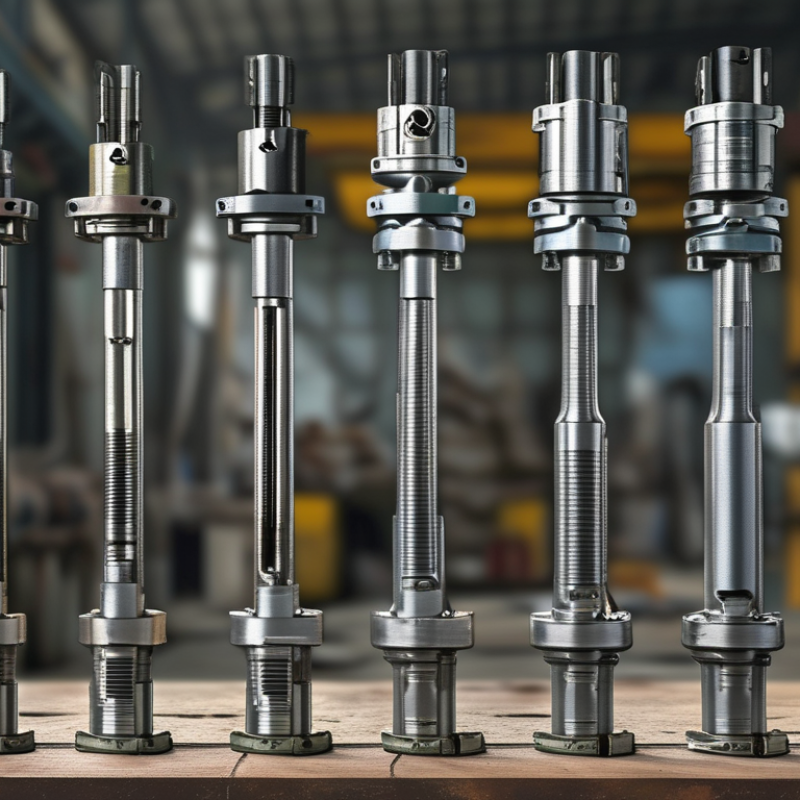
Understanding the Importance of Welding Hydraulic Cylinder Rods
Welding hydraulic cylinder rods play a vital role in numerous industrial applications. These components bear significant loads and endure harsh conditions, so quality is critical. Choosing high-quality rods ensures durability and performance over time. Poorly made rods may lead to equipment failure and increased maintenance costs, which can be preventing factors for project success.
Understanding the importance of these rods is essential for engineers and project managers. A well-crafted rod can enhance the efficiency of hydraulic systems. Often, people overlook how welding affects the integrity of the rods. Inadequate welding can create weak points, which may fail unexpectedly. It's crucial to assess the welding techniques employed to craft these rods. The choice of materials also impacts their performance.
Projects may face delays due to equipment failures from subpar components. Every decision counts for the overall health of machinery. An emphasis on quality cannot be understated. Striking the right balance between cost and quality is a challenge. Higher upfront costs might prevent future expenses, especially regarding maintenance and repairs. Quality welding hydraulic cylinder rods are not just a choice; they are an investment in reliability and productivity.
Key Benefits of Using Quality Materials in Fabrication
Quality materials are essential in the fabrication of hydraulic cylinder rods. Using high-grade steel or specialized alloys ensures durability and performance. According to industry research, projects using quality components can see a 30% increase in operational efficiency. This translates to fewer breakdowns and better productivity on job sites.
When selecting materials, it's crucial to consider the environment in which the hydraulic rods will operate. Corrosive conditions demand rods treated with advanced coatings. Reports indicate that 20% of hydraulic failures are due to corrosion-related issues. Investing in quality materials mitigates these risks. Furthermore, less frequent replacements reduce long-term costs.
Engineering experts suggest that precise tolerances in fabrication significantly enhance reliability. A mere 0.1 mm deviation in dimensions can lead to catastrophic failures. Understanding the critical role of quality materials is vital for anyone involved in hydraulic systems. The right choice not only improves performance but also fosters a culture of safety and excellence in the workplace.
Benefits of Using Quality Welding Hydraulic Cylinder Rods
Factors to Consider When Selecting Hydraulic Cylinder Rods
When selecting hydraulic cylinder rods, several important factors must be taken into account. The material of the rod plays a crucial role in its performance and durability. High-quality materials such as alloy steel are known for their strength and resistance to wear. Research indicates that rods made from these materials can endure higher pressures and longer operational life.
Surface finishing is another critical consideration. A smooth, polished finish minimizes friction and enhances hydraulic efficiency. According to industry reports, proper surface treatment can increase corrosion resistance by nearly 50%. This can significantly reduce maintenance costs over time.
Additionally, the rod’s diameter and length must match the specific requirements of your project. Misalignment can lead to premature failure. As a general guideline, the diameter should ideally be 30% of the cylinder bore size. This approach can prevent hydraulic issues and ensure optimal performance. Taking these factors into account ensures a more reliable and effective hydraulic system.
Common Applications for Welding Hydraulic Cylinder Rods
Welding hydraulic cylinder rods have various applications across multiple industries. They are particularly essential in manufacturing, construction, and agricultural sectors. These rods convert hydraulic pressure into manageable mechanical force. According to industry reports, about 30% of hydraulic failures relate to rod issues. This highlights the importance of selecting quality materials.
In the construction industry, these rods are used in excavators and lifting equipment. They ensure stability and efficiency when performing heavy tasks. A study from the American Society of Mechanical Engineers found that replacing substandard hydraulic cylinders can increase operational efficiency by up to 15%. On the other hand, poor-quality rods can lead to unexpected downtime, increasing costs and project delays.
Agricultural machinery relies heavily on reliable hydraulic systems. Agricultural equipment like tractors and harvesters use these rods to enhance power and precision. The proper quality control process is vital during production. Even minor deviations can lead to significant problems in the field. Therefore, choosing high-quality welding hydraulic cylinder rods is critical for maximizing performance and ensuring safety across all applications.
Maintenance Tips for Prolonging the Life of Cylinder Rods
Hydraulic cylinder rods are crucial for machinery in many industries. They endure immense pressure and regular wear. Proper maintenance can significantly extend their lifespan. Regular inspections are essential. Look for signs of wear, such as scratches or pitting. These can lead to catastrophic failures.
Lubrication is key in maintaining the integrity of cylinder rods. A well-lubricated rod reduces friction and heat buildup. According to industry reports, proper lubrication can extend the lifespan of hydraulic components by up to 30%. Using the right lubricant helps prevent corrosion and wear. Operators often overlook this detail, leading to shorter lifespans.
Cleaning is also vital. Contaminants can compromise rod integrity. Regularly clean rods to remove dirt and debris. This simple step can salvage a unit that might otherwise need replacement. It's easy to forget the importance of these practices, but they directly impact performance and efficiency. Pay attention to the details, and the rods will last longer than expected.