2026 How to Choose the Right Commercial Water Filtration System?
Choosing the right commercial water filtration system can be a challenging task. With numerous options available, it's essential to understand the unique needs of your business. Every industry has different water quality requirements, making a one-size-fits-all approach ineffective.
To ensure that you are providing the best quality water, consider factors such as the source of your water and the contaminants present. A reliable commercial water filtration system must offer tailored solutions. This ensures not only safety but also compliance with health regulations.
Reflect on your specific applications. Some systems may focus on taste improvement, while others might target heavy metals or bacteria removal. The right choice can enhance your product and protect your customers. By gathering expert insights and exploring trusted brands, you can navigate the complexities of commercial water filtration systems effectively.
Understanding the Basics of Commercial Water Filtration Systems
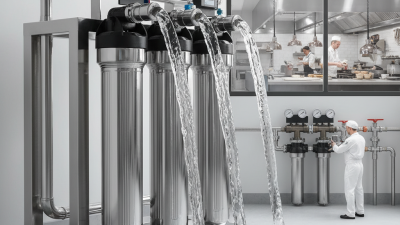
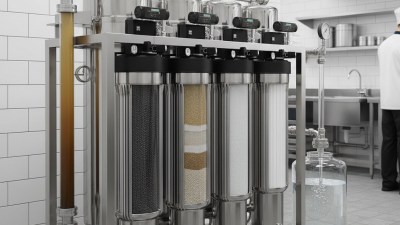
Choosing the right commercial water filtration system involves understanding its fundamental components. Systems typically include pre-filters, membranes, and post-filters. Each part plays a critical role in ensuring clean water. According to the Water Quality Association, improper filtration can lead to harmful contaminants remaining in water, affecting health and safety.
When evaluating filtration systems, consider flow rate and filtration capacity. A 2022 report from Frost & Sullivan highlighted that businesses waste over 30% of water due to inefficient systems. This waste emphasizes the need for systems that optimize both performance and sustainability.
Maintenance is another critical aspect. Systems require regular checks to avoid a drop in filtration efficiency. A study shows that 40% of businesses do not perform routine maintenance, risking the integrity of water quality. Understanding these basics helps you make informed decisions and enhance your water purification strategy.
Identifying Your Water Quality Needs and Goals
Choosing the right water filtration system begins with understanding your unique water quality needs. Analyze your water source. Do you draw from a well, a municipal supply, or another source? Each has distinct challenges. Testing your water for contaminants is crucial. Common issues include sediment, chlorine, and heavy metals. Identifying these elements helps tailor your filtration approach.
Consider your goals as well. Are you primarily focused on taste improvement? Or eliminating certain harmful substances? Knowing your primary objectives will guide your decision-making. For instance, a system designed to enhance taste might not effectively remove all contaminants. It’s essential to align your filter's capabilities with your needs. Keep in mind that some systems can handle multiple issues, while others excel in specific areas. It's about finding a balance.
You may also reflect on maintenance and costs. Some systems require more frequent filter replacements than others. Will this fit your budget? It’s easy to overlook such details in the initial excitement. A detailed comparison can reveal what truly suits your situation. Make informed choices by weighing short-term conveniences against long-term benefits.
Evaluating Different Types of Filtration Technologies
When choosing a commercial water filtration system, evaluating filtration technologies is crucial. Various systems include reverse osmosis, activated carbon, and UV sterilization. Each technology offers distinct benefits and limitations, making it essential to assess your specific needs.
According to the Water Quality Association, approximately 15% of U.S. households rely on water purification systems. It's important to analyze key factors such as water source, contaminant types, and required flow rates. For example, reverse osmosis is effective for reducing total dissolved solids but may waste water during the process. Activated carbon excels in removing chlorine and odors but doesn't tackle all pathogens.
Tip: Always conduct water quality tests before selecting a system. These results can guide choices and confirm which contaminants require removal.
Remember, each technology has trade-offs. UV systems require electricity and might not remove dissolved solids. It’s wise to consult with water treatment experts to ensure your choice aligns with regulatory standards and operational efficiency. Balancing performance, cost, and sustainability will lead to more informed decisions.
Assessing System Capacity and Maintenance Requirements
When selecting a commercial water filtration system, assessing capacity and maintenance is crucial. Look beyond just the initial purchase price. Think about how much water your business needs daily. A system that cannot handle peak usage will lead to dissatisfaction.
Maintenance requirements also play a significant role. Some systems may look appealing due to low upfront costs. However, hidden maintenance fees can add up. Regular upkeep ensures longevity and reliable performance. Evaluate how often filters need to be replaced. Understand the complexity of the maintenance process. Simplicity can make a system more user-friendly.
Consider potential downtime during maintenance. A complex system might require specialized technicians. This can disrupt your operations. In contrast, a system with straightforward maintenance demands can often be handled in-house. Weigh these aspects carefully to find a balance between capacity, ease of maintenance, and overall system reliability.
Budgeting and Cost Considerations for Installation and Operation
When considering a commercial water filtration system, budgeting is crucial. Initial costs can vary widely based on system size and complexity. Analyze potential installation costs thoroughly. Hiring professionals may add to the expense, but can ensure effective setup. Don’t overlook costs related to permits or compliance with regulations.
Operational costs are equally important. Filters need regular replacement. This adds to long-term expenses. Consider water usage rates to estimate your operational budget accurately. Unexpected maintenance issues can arise, impacting financial planning. Regularly review your filtration system’s performance to avoid surprise costs.
Balancing budget with quality can be challenging. Cheaper options may seem attractive but could lead to inefficient filtration. Weigh the benefits of durability against upfront prices. Always ask for detailed quotes. It’s wise to consider total cost of ownership over time. Make informed decisions to ensure reliable water quality without overspending.