How to Choose the Right Structural Plywood for Your Projects?
Choosing the right Structural plywood for your projects is crucial. This material is a key component in various construction applications. It provides strength, durability, and stability. Different types of structural plywood exist, each designed for specific uses. The variety can confuse both novice and experienced builders.
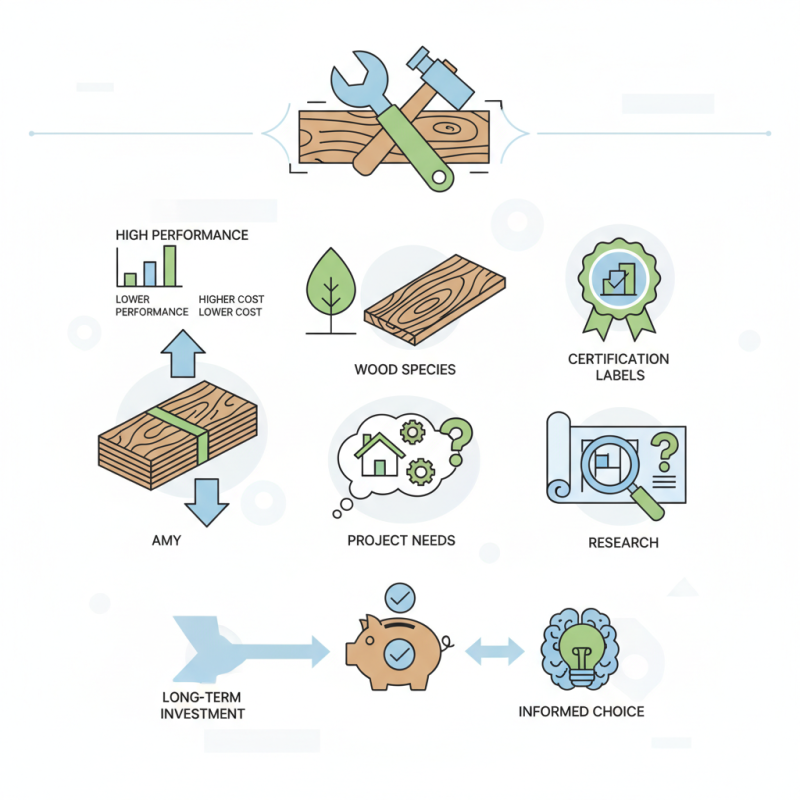
When selecting structural plywood, consider its grade and thickness. Higher grades generally offer better performance but can be more expensive. Pay attention to the wood species; some are more robust than others. Take time to reflect on your project needs to avoid common pitfalls, like choosing the wrong type.
Always verify certification labels for quality assurance. These labels ensure the plywood meets industry standards. Remember that not all plywood is created equal, so research is essential. Investing time in understanding your options will pay off in the long run. Understand the nuances to make an informed choice.
Understanding the Different Types of Structural Plywood Available
When selecting structural plywood, it’s crucial to understand the different types available. Plywood is made from layers of wood veneers, which are glued together. This layering gives it strength and stability, making it ideal for various structural applications. There are several types to consider. For example, marine plywood is designed for wet conditions. It is often used in boat construction and other moisture-prone environments.
Another common type is exterior plywood. It can withstand outdoor elements thanks to its weather-resistant properties. It is suitable for sheds, decks, and other outdoor structures. For heavier loads, you might want to choose structural grade plywood. This type meets specific strength requirements and is often used in framing and flooring.
While choosing plywood, don’t forget to consider its grade. A higher grade means fewer defects. However, it often comes at a higher cost. It’s essential to weigh the cost against the project’s needs. Sometimes, a lower grade may serve your purpose just as well. Each project may require you to assess trade-offs between cost, strength, and appearance. Look beyond the surface to find the right fit for your project.
Key Factors to Consider When Choosing Structural Plywood
When choosing structural plywood for your projects, several key factors come into play. First, consider the thickness. Thicker plywood offers better strength and durability, but it can be heavier and harder to handle. Choosing the right thickness depends on the application's demands. For example, flooring and roofing generally require thicker sheets than wall sheathing.
Another vital factor is the plywood's grade. Higher grades indicate fewer knots and imperfections, which increases reliability. However, the best grade may exceed your budget. Sometimes, opting for a lower grade can still meet your needs if you prioritize cost. Assessing your project's specific requirements is essential to finding the right balance between quality and expense.
Moisture resistance is another consideration. If your project involves exposure to water, choosing plywood rated for exterior use is crucial. Marine-grade plywood, though more expensive, offers superior resistance to rot and decay. Thus, while it is more durable, it may not always be necessary for indoor applications. Reflecting on these factors can lead to a more informed decision and better overall results in your projects.
Evaluating the Strength and Durability of Plywood Options
When selecting structural plywood, evaluating strength and durability is essential. Look for plywood made from high-quality wood. The grade of plywood influences its performance. Higher grades usually mean fewer defects. However, lower grades can still serve well for specific projects.
Consider the type of adhesive used. Exterior-grade adhesives resist moisture better. This factor is crucial for outdoor projects. Inspect the veneer layers too. The number and quality of layers affect overall strength. More layers usually provide better stability.
Tips: Always check for certifications. They indicate the plywood meets industry standards. Moisture resistance ratings also help gauge durability. Remember that even with good quality, plywood can warp in extreme conditions.
Evaluate your project’s requirements carefully. A sturdy design will often outweigh the need for aesthetic qualities. Always aim for functionality. The right choice today will enhance the durability of your project tomorrow.
Strength and Durability Comparison of Common Plywood Types
Assessing Environmental Considerations in Plywood Selection
When selecting plywood, environmental considerations play a crucial role. The choice of material impacts not only the project but also the ecosystem. According to the Forest Stewardship Council (FSC), around 30% of the world's forests are managed sustainably. Choosing FSC-certified plywood ensures that the wood is sourced from responsibly managed forests. This reduces deforestation and maintains biodiversity.
Another critical aspect is formaldehyde emissions from plywood. The U.S. Environmental Protection Agency (EPA) has set regulations to limit these emissions. High-emission plywood can contribute significantly to indoor air pollution. Research shows that using low-emission products can improve indoor air quality by over 50%. It is essential to check labels for certifications that guarantee low VOC (volatile organic compounds) levels.
End-of-life options for plywood also require attention. Many types end up in landfills, contributing to waste. Seeking alternatives like reusable or recyclable plywood can mitigate this issue. Reports indicate that 70% of construction waste comes from wood products. Each choice in plywood selection reflects a broader commitment to environmental stewardship. Choices must align with sustainability goals, considering both immediate and long-term effects on the planet.
Cost Comparison and Budgeting for Your Plywood Project
When planning a plywood project, budgeting is crucial. The cost of structural plywood can vary considerably. According to a recent industry report, prices for plywood can range from $30 to $60 per sheet, depending on thickness and grade. Understanding these variables helps in making informed choices. For large projects, these differences can add up quickly.
Material quality impacts cost significantly. Lower-grade plywood may save money initially, but it can lead to higher maintenance costs. In contrast, high-quality plywood offers durability. This choice leads to fewer repairs and replacements in the long run. Pricing can also fluctuate based on market demand. Tracking market trends can help in timing your purchases better.
It’s essential to consider additional expenses. Shipping costs and taxes can impact your budget. Some regions have higher transportation fees which can raise overall costs. If you do not account for these factors, your project could exceed its initial budget. Understanding all these elements ensures a smoother budgeting process for your plywood project.