How to Choose Stretch Ceiling Aluminum Profiles for Your Project?
Choosing the right Stretch Ceiling Aluminum Profiles for your project is crucial. These profiles serve as the backbone of any stretch ceiling system. Their quality and design impact both aesthetics and functionality. According to a 2022 industry report by the Global Stretch Ceiling Association, the demand for high-quality aluminum profiles has increased by 30% due to rising consumer expectations for durability and design.
Industry expert John Smith emphasizes, "Quality aluminum profiles define the success of stretch ceilings." His insights reflect the importance of material selection. When choosing profiles, consider factors like weight, thickness, and corrosion resistance. Many profiles on the market lack these essential features, leading to potential issues later. A well-informed choice can prevent premature wear and costly repairs.
Various manufacturers offer profiles with different finishes and functionalities. However, not all are created equal. Investing time in research can uncover profiles that align with both budget and design intent. It's tempting to choose the cheapest option, yet this may compromise your project's integrity. Weighing options carefully is essential for achieving a successful stretch ceiling installation.
Understanding Stretch Ceiling Aluminum Profiles and Their Importance
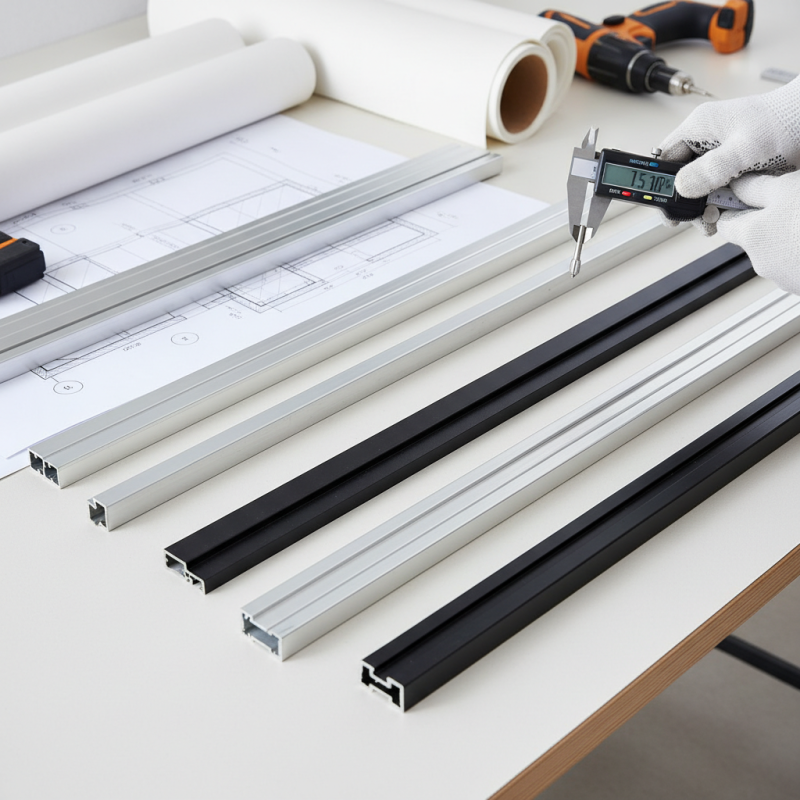
Understanding stretch ceiling aluminum profiles is crucial for your project. These profiles provide structural support for the stretch ceiling material. They are available in various styles and sizes to accommodate different ceiling designs and aesthetics. The right selection enhances the installation process, ensuring a sleek finish. Accurate choice minimizes the risk of sagging or improper fitting.
A recent industry report indicated that improper profile selection can lead to a 30% increase in installation issues. Users often report frustrations related to mismatched profiles. This reality highlights the need for clarity and expertise in the selection process. Knowledgeable contractors can guide clients in choosing profiles that reflect their design vision while also being functional.
Evaluate factors such as material thickness, durability, and installation methods. The correct profile should align with the ceiling's purpose, whether for a commercial space or a residential area. Experts advise considering the weight and design elements of the ceiling material. Miscalculations can compromise both aesthetic and structural integrity. Ultimately, understanding these profiles is key to achieving a successful stretch ceiling installation.
Key Considerations for Selecting Aluminum Profiles for Your Project
When selecting aluminum profiles for stretch ceilings, several key considerations come into play. A crucial factor is the profile shape. Common shapes include U-shaped, L-shaped, and J-shaped profiles. Each offers unique strengths in installation and aesthetic appeal. Choose the shape that aligns with your design vision and practical needs.
Another important aspect is the thickness of the aluminum. Thicker profiles can provide better durability but might increase installation complexity. Consider the weight of your ceiling materials. Lighter materials may allow for thinner profiles. However, a balance is essential. Too thin may compromise the structure over time. Additionally, examine the finish of the profiles. Anodized finishes can enhance corrosion resistance and aesthetic quality.
Compatibility with lighting and other fixtures also matters. Ensure profiles accommodate lighting systems if integrated. Sometimes, standard profiles don’t fit well with custom designs. Reflect on your project’s unique requirements. Evaluate whether you may need specially designed profiles for a flawless result. Innovating in profile choice can enhance your project significantly, but always weigh the pros and cons of your options.
Different Types of Aluminum Profiles for Stretch Ceilings
Stretch ceilings are growing in popularity due to their sleek appearance and versatility. The choice of aluminum profiles plays a crucial role in the final outcome of a stretch ceiling project. Various types of aluminum profiles are available, each serving different aesthetic and functional needs.
The most common profiles include U-shaped, J-shaped, and L-shaped formats. U-shaped profiles are ideal for flat ceilings and provide a clean look. They hold the stretch material securely while allowing for easy installation. J-shaped profiles, on the other hand, are great for areas where the ceiling needs extra support. They can be used in both curved and straight applications. L-shaped profiles work well for ceilings that need to meet walls at an angle.
Tips: Consider the ceiling shape and configuration. Curved areas might not suit U-shaped profiles. Always think about the final finish, as it affects the profile's visibility. Installation can be tricky, especially in larger spaces. It’s wise to work with experienced installers for a flawless execution.
Color and texture are other important aspects. Most profiles come in anodized or powder-coated finishes. These not only enhance durability but offer aesthetic choices that can match any design scheme. It’s essential to balance functionality with style to create a ceiling that impresses.
Evaluating the Quality and Durability of Aluminum Profiles
Choosing the right aluminum profiles for stretch ceilings is crucial. Quality and durability should be at the forefront of your decision. Look for profiles made from high-quality aluminum. This ensures resistance to corrosion and deformation over time. Thin or low-grade profiles may save money upfront but could lead to future problems.
Evaluate the finish of the aluminum. A smooth, polished surface not only looks better but also resists scratches and stains. Consider profiles that have undergone an anodizing process. This adds an extra layer of protection, enhancing longevity. However, not all anodized finishes are created equal. Research the manufacturer’s reputation to ensure reliability.
Inspect the profile's construction. A solid design requires robust engineering. Test the flexibility and strength by gently bending a sample. If it bends too easily, it may not withstand the tension of stretched materials. Reflect on your project's requirements and environment. Low-quality profiles could cost you more in repairs. Prioritize quality to avoid regrets later on. Your project deserves the best.
Quality Comparison of Aluminum Profiles for Stretch Ceilings
Installation Techniques and Best Practices for Aluminum Profiles
Installing aluminum profiles for stretch ceilings requires precise techniques. Proper measuring is critical. Measure twice to avoid costly mistakes. When cutting the profiles, use a high-quality saw to ensure clean edges. Uneven cuts can lead to gaps and an unattractive finish. It's essential to wear safety gear when working with sharp tools.
Secure the profiles properly to the mounting structure. Use appropriate screws and anchors. This ensures durability and stability. Avoid over-tightening, which can warp the metal. When attaching the stretch fabric, be gentle. Stretch it evenly across the profiles to maintain tension. Uneven stretching can lead to sagging in the future.
Always refer to installation manuals provided by manufacturers. However, every project can present unique challenges. Consider the specifics of your space and adapt techniques accordingly. Gaps may appear if the walls are not square. Regular checks during installation can help identify and fix these issues early. Each installation becomes a learning experience.