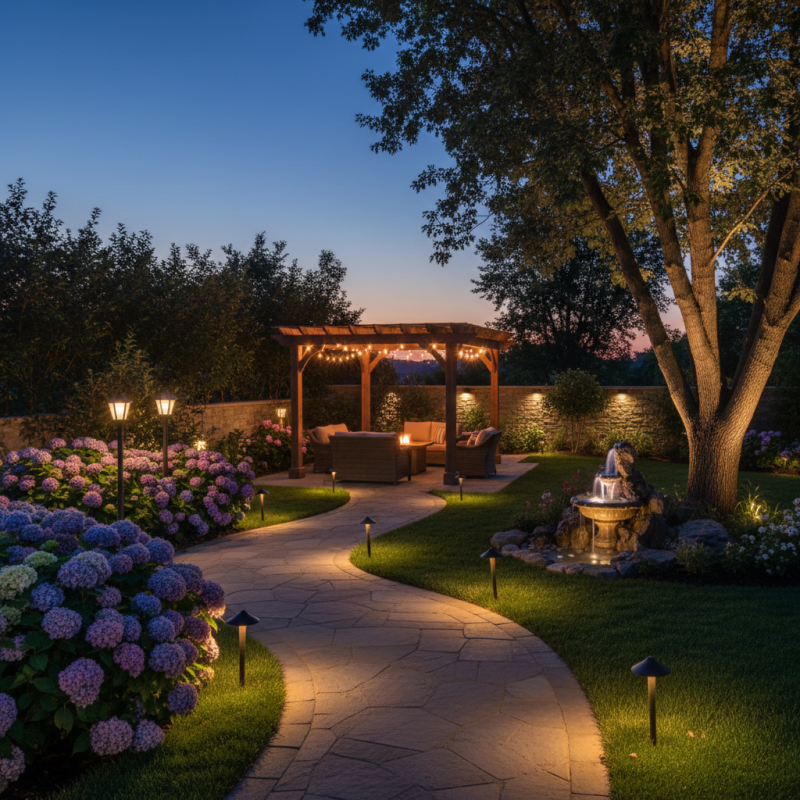
How to Choose the Best City Power Garden Light for Your Needs?
When it comes to outdoor lighting, choosing the right City Power Garden Light is essential for enhancing your garden's appeal. Expert Mark Thompson, a renowned landscape designer, emphasizes, "The right lighting can transform your outdoor space." His insight highlights the importance of thoughtful selection.
City Power Garden Lights offer various features, styles, and brightness levels. Outdoor spaces differ greatly. What works for one garden may not suit another. You need to consider your garden's layout, existing decor, and personal taste. Therefore, making a choice can feel overwhelming.
Consider the ambiance you wish to create. Do you want soft illumination or bright light for clear visibility? Reflect on how you use your garden. It's a space for relaxation, family gatherings, or perhaps even gardening tasks. The perfect City Power Garden Light should complement your needs while enhancing the overall atmosphere.
Understanding the Different Types of City Power Garden Lights Available
When selecting a city power garden light, understanding the types available is crucial. LED lights are popular for their energy efficiency and long lifespan. They can create a bright, inviting space in your garden. However, they may not provide the warm glow that some prefer. Consider solar-powered lights too; they harness sunlight during the day and illuminate your garden at night. They are eco-friendly, but their brightness might be limited.
Another option is halogen lights. These produce a strong, focused beam and often create a dramatic atmosphere. Yet, they consume more energy than LEDs. Some users find that fitting these lights into their existing garden layout can be challenging. Think about that before buying. Finally, pay attention to the design. A light's style should complement your garden theme. Mixing different styles can enhance aesthetics. But, too many choices can lead to confusion. Reflect on your garden’s needs before making a decision.
Comparison of Different Types of City Power Garden Lights
Key Features to Consider When Choosing Garden Lights for Urban Areas
When selecting garden lights for urban areas, consider brightness as a key feature. The lighting should be sufficient to illuminate pathways and plants without being overpowering. Different settings may require varying intensities. Too bright can disturb neighbors, while too dim may compromise safety.
Another important aspect is energy efficiency. Look for lights that use LED technology. LEDs consume less power and last longer than traditional bulbs. This savings is essential for city dwellers who prioritize sustainability. However, some might sacrifice aesthetics for efficiency. It’s a balancing act between design and functionality.
Design is also crucial. Urban gardens often have limited space. Choose lights that complement the garden layout while providing adequate illumination. Styles vary widely, from sleek modern fixtures to vintage-inspired lanterns. It's easy to overlook how a light's design impacts the overall garden vibe. Reflect on whether a light enhances or detracts from your garden's personality.
Evaluating Brightness and Energy Efficiency for Optimal Lighting
Choosing the right city power garden light involves careful consideration of brightness and energy efficiency. Brightness is crucial. It determines how well your garden is illuminated. Measure the area you want to light up. Each square foot may need a specific lumen output. For pathways, softer brightness works well. However, areas that highlight garden features might require more intense light.
Energy efficiency is another key factor. Look for lights that use LED technology. These consume less power and last longer than traditional bulbs. A well-placed garden light should provide ample brightness without overly raising your electricity bill. Reflect on how much light you really need. Sometimes, too much brightness can create harsh shadows.
You may be tempted to buy the brightest option. Yet, this could lead to a glaring effect. Consider dimmable options or those with sensor features. These allow you to adjust light levels based on need. In the end, balance brightness and efficiency for the best garden lighting. Thoughtful choices lead to a more enjoyable outdoor space.
How to Choose the Best City Power Garden Light for Your Needs?
| Light Type | Brightness (Lumens) | Energy Efficiency (Wattage) | Average Lifespan (Hours) | Color Temperature (Kelvin) |
| LED Garden Light | 800 | 10W | 50000 | 3000K |
| Solar Power Garden Light | 600 | 5W | 10000 | 4000K |
| Halogen Garden Light | 1200 | 50W | 2000 | 2700K |
| Fluorescent Garden Light | 900 | 15W | 10000 | 3500K |
Assessing Design and Aesthetic Compatibility with Your Garden Layout
When planning your garden lighting, design and aesthetics play a vital role. Consider how the lights will complement your existing plants and structures. A light's shape and color can enhance or clash with your garden. For example, sleek modern fixtures might fit well with contemporary garden designs. On the other hand, rustic lanterns suit traditional settings. Think about balance in the arrangement. Too many similar styles can create monotony.
Tips: Test different styles alongside your garden's features. It helps to visualize combinations before purchasing. Sketching can be beneficial too. Experimenting with placements can show you how different designs interact with space.
Always reflect on function and aesthetics. Choose lights that not only look good but serve a purpose. Ambient lighting sets the mood, while task lighting illuminates specific areas. Don’t be afraid to mix materials like metal and glass. However, make sure they work harmoniously. Striking the right balance can be challenging but rewarding. Making thoughtful choices will create an inviting atmosphere.
Determining Budget and Long-Term Maintenance Costs for Garden Lighting
When selecting city power garden lights, budget is crucial. According to a recent report by the American Lighting Association, the average cost for good-quality garden lights can range from $50 to $300 per unit. This doesn’t just include the initial purchase. Think about installation costs as well. Hiring a professional can add another $100 to $300, depending on the complexity.
Long-term maintenance is another factor. Energy-efficient LED lights can save users up to 75% on electricity, compared to traditional bulbs. However, the initial costs for LEDs might be higher. You might need to replace LED fixtures every 10 to 15 years. In contrast, incandescent bulbs last only about one year and can lead to higher replacement costs. Also, remember to factor in bulb replacements and any potential repairs. Not every option will be ideal for every garden. Reflecting on your choices is essential. What seems like a cost-saving measure now might lead to future expenses.