How to Choose the Best Exterior Roll Up Door for Your Needs?
Choosing the right Exterior Roll Up Door is crucial for many businesses. These doors play a vital role in security and operational efficiency. According to a recent industry report, the global roll up door market is expected to grow at a CAGR of 5.2% from 2021 to 2026. This growth emphasizes the increasing need for durable and effective exterior solutions.
When selecting an exterior roll up door, factors such as material, insulation, and design are essential. For instance, steel doors offer strength and security, while aluminum options provide lightweight flexibility. Research from the Door and Access Systems Manufacturers Association (DASMA) indicates that energy-efficient doors can reduce energy costs by up to 30%. However, many businesses fail to prioritize insulation and end up with higher energy bills.
Reflecting on specific needs is vital. Each business has unique requirements based on its environment and operations. Evaluating the door's durability against weather conditions is often overlooked. Therefore, taking the time to assess options ensures that you choose an exterior roll up door that meets both functional and aesthetic needs.
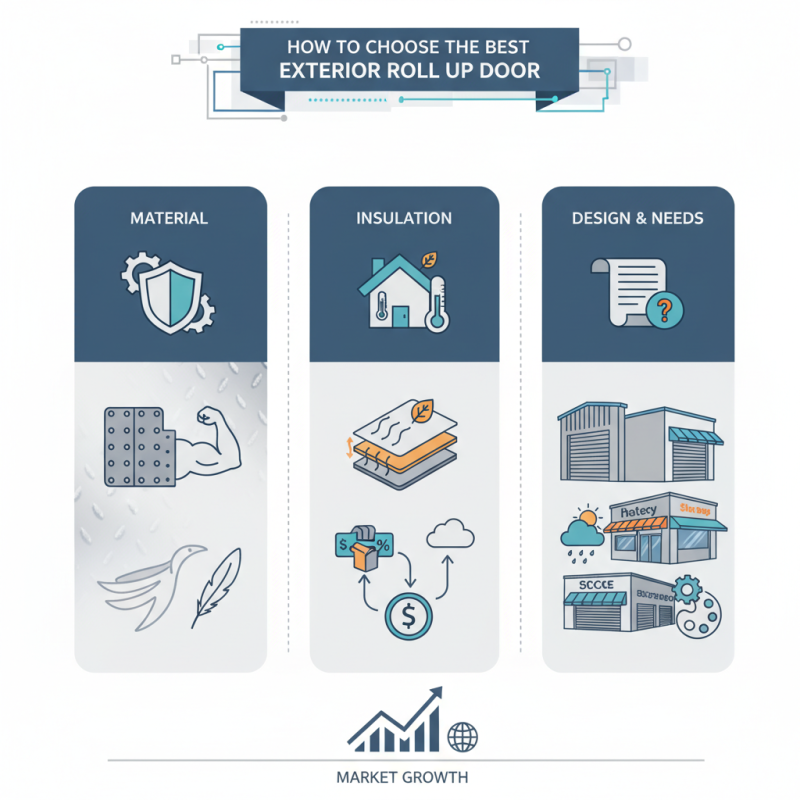
Factors to Consider When Selecting Exterior Roll Up Doors
When selecting exterior roll-up doors, consider material options. Steel and aluminum are common choices. Steel offers durability, while aluminum is lightweight. A 2022 industry report noted that 65% of businesses prefer steel for high-security areas. However, aluminum is more resistant to corrosion. Evaluate your specific environment to make an informed choice.
Next, think about the door's operating mechanism. Manual, electric, or hybrid systems are available. Electric doors provide ease and speed but may require more maintenance. A survey showed that 72% of clients enjoy the convenience of electric systems. Keep in mind that electric systems might not perform well in extreme weather without proper insulation.
Lastly, evaluate safety features. Roll-up doors can present hazards if not equipped correctly. Look for features like automatic reversing and emergency stops. According to safety reports, improperly installed doors result in 30% of workplace accidents. Prioritize choosing a door that prioritizes safety without compromising functionality. Your selection impacts both operations and employee well-being.
Material Options for Exterior Roll Up Doors: Durability and Cost Analysis
Choosing the right material for exterior roll-up doors is crucial for durability and cost. Common materials include steel, aluminum, and fiberglass. Each material offers unique advantages. Steel doors, for instance, provide excellent security and durability. They typically have a lifespan of 20 years or more with proper maintenance. However, they may rust if exposed to moisture. In contrast, aluminum doors are lighter and resistant to corrosion. They are ideal for coastal areas. Their longevity can reach around 15 years, but they are less secure than steel.
Fiberglass is another option, known for its insulation properties. These doors perform well in varying temperatures. However, they can be more expensive upfront compared to metal options. Analysts suggest that upfront costs for fiberglass can be 30% higher than steel. Yet, their energy efficiency might lead to savings in the long term.
When assessing these materials, consider the specific environmental conditions. High-humidity areas may benefit from aluminum or fiberglass, while security-conscious locations might prioritize steel. This decision should balance cost, durability, and specific needs. It's essential to weigh these factors carefully, as choosing the wrong material can lead to higher long-term costs and maintenance challenges.
Understanding Insulation and Energy Efficiency Ratings for Roll Up Doors
When selecting an exterior roll-up door, insulation and energy efficiency are critical factors. Energy-efficient doors can significantly reduce heating and cooling costs. According to the U.S. Department of Energy, doors with high R-values reduce energy loss. Look for doors with at least R-14 insulation ratings for optimal performance in colder climates.
Understanding the materials used in roll-up doors is essential. Steel and insulated composite are common options. Steel offers durability, while composite provides better insulation. The material directly affects energy efficiency. A door with a good seal can prevent drafts, enhancing energy savings. Reports indicate that a poorly insulated door can lead to a 30% increase in energy costs.
Before deciding, consider the door's thermal performance rating. This rating assesses how well the door resists heat transfer. A door with good ratings keeps interiors more comfortable. However, not all products list these figures clearly. Always ask for detailed specs to make informed choices. Investing time in research may feel tedious but helps avoid costly mistakes in the future.
Industry Standards and Compliance for Exterior Roll Up Door Installation
When selecting an exterior roll-up door, it's crucial to consider industry standards and compliance. The American National Standards Institute (ANSI) provides guidelines that ensure safety and functionality. Compliance with ANSI standards not only minimizes risk but also enhances user confidence. For instance, according to a recent report, doors that meet these standards show a 30% reduction in operational failures.
Installation should follow manufacturers' guidelines and local building codes. These regulations are designed to address specific climate and environmental conditions. Failure to comply can result in door malfunction or safety issues. A study indicated that non-compliance leads to a 50% increase in maintenance costs over time. Proper installation not only guarantees adherence to standards but also extends the lifespan of the door.
Professionals often overlook the importance of maintenance. Regular checks can detect issues early, potentially saving significant costs down the line. Some facilities neglect routine inspections, leading to avoidable repairs. Data suggests that 25% of roll-up door failures are preventable through proper upkeep. Investing in compliance and maintenance ensures that your investment remains reliable and safe in the long run.
Maintenance and Longevity: Ensuring the Best Performance from Your Roll Up Door
Maintaining your exterior roll-up door is essential for ensuring longevity and optimal performance. Regular inspections help identify minor issues before they become costly repairs. Check the door’s tracks for obstructions. Cleaning the tracks regularly can prevent misalignment. Lubricating the moving parts, such as hinges and rollers, keeps them functioning smoothly.
Temperature changes can affect the materials used in roll-up doors, leading to wear and tear. Extreme heat may warp or degrade the door’s surface. Cold weather can cause the mechanisms to jam. Consider these factors when choosing materials. Always opt for corrosion-resistant finishes for added longevity.
Sometimes, the door may not operate as smoothly as intended. This could indicate underlying issues. Consultation with a professional can help diagnose these problems early. After all, a proactive approach can save time and money in the long run. Regular upkeep isn’t just a chore; it’s an investment in durability.
How to Choose the Best Exterior Roll Up Door for Your Needs? - Maintenance and Longevity: Ensuring the Best Performance from Your Roll Up Door
| Feature | Description | Maintenance Tips | Expected Longevity |
| Material | Durable materials like steel or aluminum offer better resistance to weather and impact. | Regularly check for rust or wear, and repaint if necessary. | 10-20 years depending on material quality. |
| Insulation | Insulated doors help maintain internal temperatures and reduce energy costs. | Inspect seals annually and replace worn out insulation. | 15-25 years with proper care. |
| Operation | Manual and automatic options available; automatic offers convenience. | Lubricate moving parts every six months. | 10-15 years for automatic systems; 15-30 years for manual. |
| Security Features | Enhancements like locking mechanisms and reinforced panels increase security. | Inspect locking mechanisms regularly for any damage. | 10-20 years, varies with usage and environment. |
| Design | Variety of designs available to fit different aesthetic preferences. | Clean regularly to maintain appearance. | Dependent on maintenance; generally 10-30 years. |