How to Choose the Best Foldable Door for Your Space?
Choosing the right Foldable Door for your space can transform your interiors. According to a recent industry report by MarketsandMarkets, the global foldable door market is expected to grow by over 8% annually, reflecting a rising demand for versatile design solutions. Mike Jensen, a recognized expert in architectural design, notes, "A well-chosen Foldable Door can redefine space utilization and enhance aesthetic appeal."
The emergence of innovative materials and technologies has broadened options for consumers. Homeowners can now select from various styles, including bi-fold and multi-slide doors, each offering unique benefits. Furthermore, energy efficiency is crucial. The right Foldable Door can significantly reduce heating costs, contributing to overall sustainability. However, not all products guarantee longevity and performance.
Consider the installation process and the necessary maintenance involved. It’s essential to research properly. Different manufacturers have varying quality standards, and poor choices can lead to dissatisfaction. Do not rush this decision. Measure your space and assess your needs carefully, ensuring the Foldable Door fits not just your style but also your lifestyle.
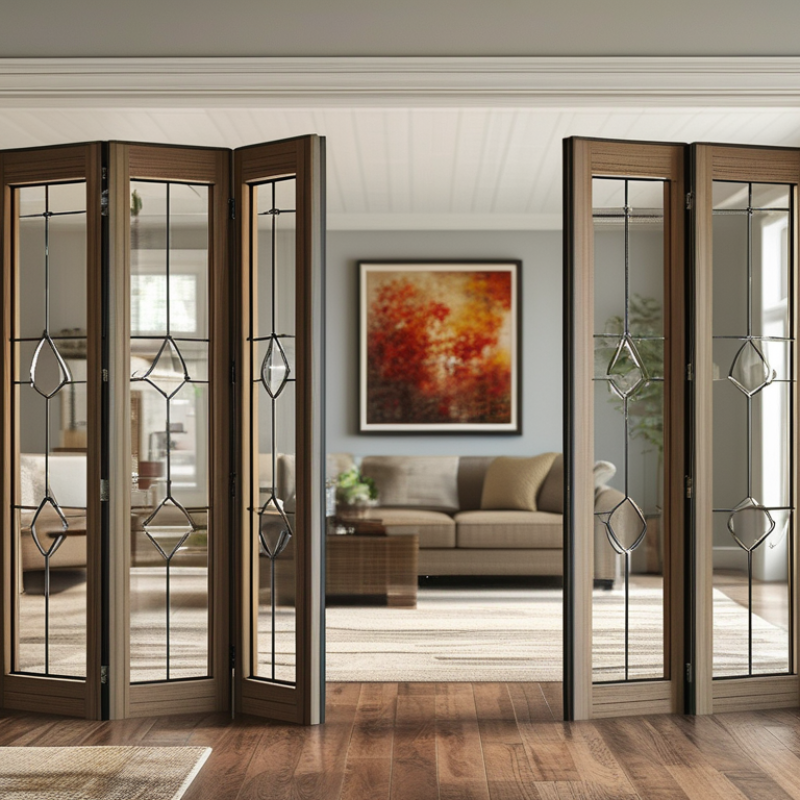
Understanding the Different Types of Foldable Doors Available
When considering foldable doors, it’s essential to understand the various types available. Each type has unique characteristics and serves different needs. Bi-fold doors are popular for their versatility. They open wide to connect spaces, making rooms feel larger. However, installation can be tricky, and they require ample wall space.
Another option is accordion doors. These doors are more compact and great for smaller areas. They fold neatly to one side, offering flexibility. They are generally lighter, which can be easier for daily use. But, they may lack the sturdiness and insulation of heavier options.
Finally, sliding foldable doors offer a modern touch. They glide on tracks, saving space and providing a sleek look. However, the tracks can become dirty or misaligned over time, leading to functionality issues. Choosing the right type should depend on your specific needs and space constraints. Each option has its pros and cons, so weigh them carefully before making a decision.
Evaluating the Size and Layout of Your Space for Door Selection
When choosing a foldable door, consider the size and layout of your space carefully. Measure the width and height of the intended opening. Keeping your measurements accurate is crucial. A door that doesn’t fit properly can lead to frustration. The door should complement the room's flow.
Evaluate how the door interacts with furniture and fixtures. Is there enough clearance for it to open fully? Think about the layout. If your space is small, a bi-fold or accordion style may be ideal. These designs save room while providing access. If the space is large, a more substantial option might work better.
Visualize how the door will look in your room. This can be challenging but essential. Consider natural light and ambiance. Folding doors can enhance both. Take the time to explore different styles and materials. This may reveal designs you hadn’t considered. Reflect on how changes might impact your environment in the long run.
How to Choose the Best Foldable Door for Your Space?
This bar chart illustrates the average specifications of foldable doors relevant to space considerations. The width, height, thickness, and weight are important metrics when selecting a foldable door that best fits your space requirements.
Material Considerations: Choosing the Right Foldable Door Material
When choosing the right material for a foldable door, several factors play a significant role. Different materials offer varying levels of durability, aesthetics, and functionality. Wood is a popular choice for its natural beauty. However, it requires regular maintenance to prevent warping and damage from moisture. People often overlook this aspect, which can lead to costly repairs down the line.
Metal doors, such as aluminum, provide excellent strength and security. They resist dents and rust, making them ideal for busy spaces. Yet, they can feel cold and unwelcoming, lacking the warmth of wood. A blend of steel and glass can offer a modern look, but homeowners must consider insulation and privacy. Glass can brighten a room, yet it may also compromise personal space if not properly designed.
Plastic materials, while lightweight and affordable, may not offer the same longevity as wood or metal. They can become brittle over time, especially in harsh climates. This selection process requires careful thought. It's not just about the initial look; durability and maintenance needs matter too. The best choice hinges on your specific space, aesthetic preferences, and how you plan to use the doorway. Taking the time to weigh your options will lead to better decision-making.
Assessing Aesthetic and Functional Needs for Your Interior Design
When choosing a foldable door, aesthetic and functional needs play a crucial role. Consider how the door complements your interior design. Does it enhance the room's style? A wooden door can add warmth, while a sleek glass option may create an illusion of space. Color and finish are vital too. A door should blend seamlessly or make a bold statement in your space.
Functionality is equally important. Assess the door's use. Will it separate areas or open up a room? Ensure it operates smoothly and fits the space you have. If you have kids or pets, safety features may be a priority. Look for sturdy materials that withstand daily use. Think about storage solutions for when the door is folded. Balancing both aesthetic appeal and functionality can be challenging. Reflecting on your unique needs will guide you to the best choice.
Installation and Maintenance Tips for Long-Lasting Foldable Doors
When selecting a foldable door, installation and maintenance play crucial roles in ensuring longevity. It's essential to follow guidelines for the proper installation. Begin by measuring the space accurately. A well-fitted door minimizes the chances of wear and tear. Ensure the tracks are level and the hinges are properly aligned. Misalignment can lead to frustrating jams and premature damage.
Regular maintenance is vital for foldable doors. Inspect the hinges and tracks frequently for dirt or debris. Cleaning them prevents unnecessary strain on the door mechanism. Lubricate moving parts with a suitable product to keep everything running smoothly. Pay attention to any unusual noises. They could indicate a problem that requires immediate attention. Moreover, weather elements can affect your door's performance. Protect it from extreme conditions to enhance its lifespan.
Sometimes, despite careful maintenance, issues arise. For example, you may notice stubborn stains on the panels or scratches from daily use. These imperfections can be disheartening. However, addressing them quickly can restore your door’s appearance and function. Remember, a foldable door should not only look good but also serve you faithfully for years. Prioritize proper care to make the most of your investment.