How to Choose the Best Paperboard Rolling Machine for Your Needs?
Choosing the right Paperboard rolling machine is crucial for businesses looking to enhance production efficiency. According to industry expert John Smith, “A well-selected paperboard rolling machine can significantly impact production quality.” This statement highlights the importance of careful consideration when selecting equipment that meets specific needs.
Paperboard rolling machines come in various models and specifications. Each model has unique features that cater to different production requirements. Understanding these differences is essential for making an informed decision. For instance, a machine designed for lightweight paper may not perform well with thicker boards, leading to inefficiencies.
Investing in the wrong paperboard rolling machine can lead to unexpected challenges and wasted resources. It’s important to consider factors like speed, material compatibility, and after-sales support. Each choice must align with your production goals. Additionally, do not overlook maintenance and repair services when evaluating options. These can significantly affect your operational reliability over time. By thoroughly researching and reflecting on these factors, you can make a more effective choice for your specific needs.
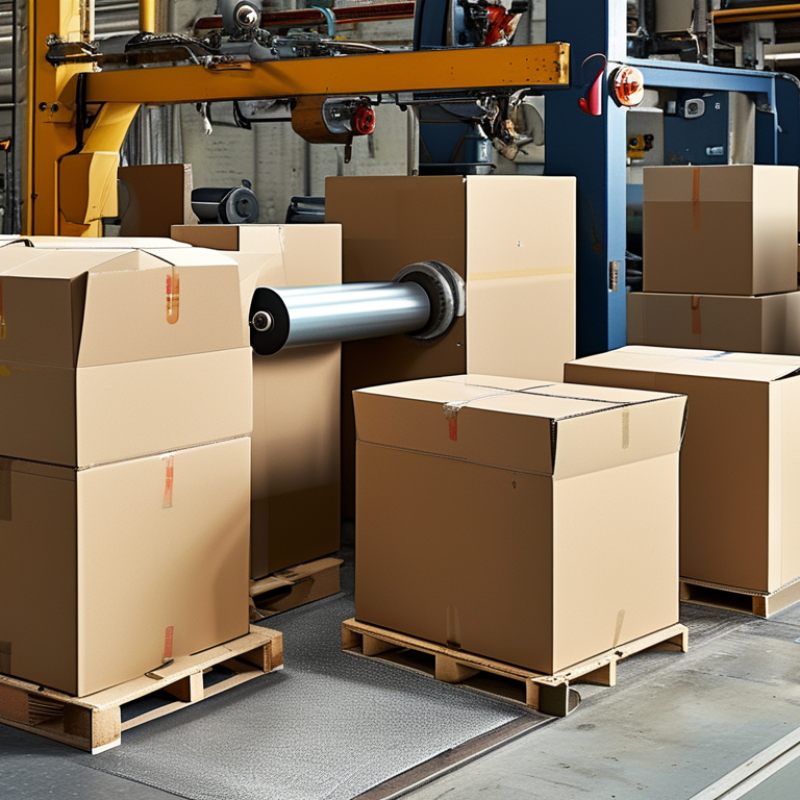
Understanding the Different Types of Paperboard Rolling Machines
When selecting a paperboard rolling machine, understanding the types available is crucial. There are mainly three categories: manual, semi-automatic, and fully automatic machines. Each serves different production needs and scales.
Manual machines are typically used for smaller operations and are less expensive. They require operator intervention for loading and unloading. According to a report by Smithers Pira, manual machines account for nearly 30% of global sales in this sector.
Semi-automatic machines offer a middle ground, improving efficiency without a full automation investment. These machines streamline some processes but still require operator input. They can be a good choice for medium-sized businesses that need to increase output while managing costs.
Fully automatic machines represent the highest investment and offer the greatest output and precision. Industry experts note that these machines can reduce labor costs by up to 40%, making them appealing for larger manufacturers.
Consider the specifics of your operation. The production volume and the thickness of the paperboard will influence your choice. It's also essential to reflect on maintenance needs and operator training requirements. While fully automated models can provide efficiency, they may require significant upkeep. Balancing efficiency with practicality is key to making an informed decision for your production line.
Key Features to Consider When Selecting a Paperboard Rolling Machine
When selecting a paperboard rolling machine, several key features become crucial. The machine's throughput capacity must align with your production demands. According to industry reports, manufacturers should look for machines that can handle speeds of at least 200 meters per minute. Machines with higher speed can improve efficiency but may require more maintenance.
Another important consideration is the size and range of the paperboard the machine can handle. Many machines are capable of rolling various thicknesses, but not all are flexible enough for special requests. The capability to adapt to different paperboard types can signify a machine's versatility. Additionally, the machine's durability and build quality can greatly affect long-term investment. A report by the Paperboard Packaging Association emphasized that well-constructed machines can last up to 15 years with proper care, which may justify higher initial costs.
Moreover, automation features should not be overlooked. Machines with advanced controls ensure precision and reduce waste during the rolling process. A study from the Journal of Manufacturing Technology found that automated systems can reduce scrap rates by up to 25%. However, adopting such technology may require additional training for your staff. Balancing innovation with practicality ultimately leads to more informed decisions.
Assessing Your Production Needs and Capacity Requirements
When selecting a paperboard rolling machine, assessing your production needs is essential. Consider your typical production volume. Are you operating on a small scale or a larger one? The type of projects you handle can significantly impact your decision. A machine that meets high capacity demands may be necessary if you require large rolls or numerous outputs daily.
Capacity requirements also include the size of the rolls you intend to produce. Are they short or long? Different machines offer varying maximum roll diameters and widths. Additionally, factor in the material thickness you will work with. Some machines can only handle specific thickness ranges. Ignoring these details can lead to unexpected challenges.
It is vital to reflect on your operational space. A compact machine may seem ideal, but does it sacrifice performance? Investigate how space constraints can influence equipment choice. Also, think about the ease of maintenance. Will you be able to service the machine regularly? This decision impacts long-term efficiency and reliability. Understanding these factors ensures you select a machine tailored to your unique needs.
Evaluating Manufacturer Reputation and Customer Reviews
When selecting a paperboard rolling machine, examining the manufacturer's reputation is essential. Look for companies with a long-standing presence in the industry. Their experience often reflects the quality of their machines. A reputable manufacturer typically has robust customer service, which is crucial for after-purchase support. This includes timely responses and effective problem resolution.
Customer reviews can also be a valuable source of information. Reading testimonials on trusted platforms provides insights into users’ real experiences. Positive reviews often highlight durability and efficiency, while negative ones may point out common issues. Pay close attention to recurring comments. They can reveal a pattern regarding specific machines or manufacturers.
However, consider that reviews may be subjective. What works for one user might not suit another's needs. It’s wise to weigh the pros and cons presented in reviews. Reflect on both the praise and the criticism. This balanced perspective can help you make a more informed decision about the right paperboard rolling machine for your requirements.
Budget Considerations: Finding Quality within Your Price Range
Budget considerations are crucial when selecting a paperboard rolling machine. It’s easy to get lost in flashy features and specifications. Focus on what matters for your operations, like durability and efficiency. Cheap machines might save upfront costs, but they may lead to higher maintenance expenses over time.
Finding quality within your price range requires research and comparison. Explore options and gather information from reliable sources. Seek advice from industry experts or peers who have experience with similar machines. Understanding the average market price helps identify good deals versus subpar offerings.
Consider the long-term costs that come with each machine. Will it require extensive repairs? What about replacement parts availability? Assess warranty options, as they reflect a manufacturer’s confidence in their product. A robust warranty might cost more initially, but it can protect your investment in the long run. Balancing cost and quality is essential for a wise purchase.