How to Choose the Best Table Cloths Fabric for Your Needs?
Choosing the right Table Cloths Fabric is essential for both aesthetics and functionality. According to a recent report by the Home Textile Association, the table linen market is projected to reach $5 billion by 2025. This growth is driven by the increasing demand for high-quality, durable fabrics suitable for various occasions. Expert Susan Eldridge, a renowned textile specialist, states, "The fabric you choose defines not just the style, but also the mood of your dining experience."
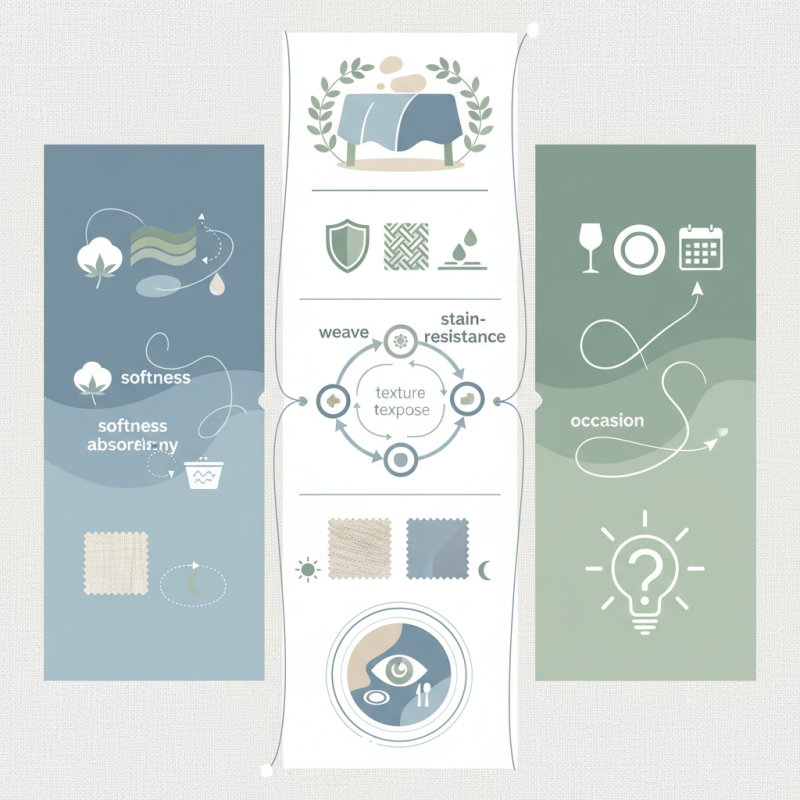
When selecting Table Cloths Fabric, consider the weave, texture, and purpose. Cotton, linen, and polyester fabrics each offer unique benefits. For instance, cotton is soft and absorbent, making it ideal for casual dining. However, it may stain easily and require frequent washing. On the other hand, polyester is durable and stain-resistant but might lack the natural feel of cotton.
The choice often reflects personal taste and the event’s formality. An overlooked aspect is how fabric interacts with décor. The right choice can elevate an ordinary table setting, while a poor selection may detract from its appeal. So, reflecting on your choices is key. Each fabric tells a story, and it’s crucial to select one that resonates with your vision for the dining experience.
Understanding Different Types of Tablecloth Fabrics Available
When choosing tablecloth fabrics, understanding the various options is essential. Cotton is a popular choice due to its softness and versatility. It's easy to clean and comes in numerous patterns. However, cotton can wrinkle quickly, which may require frequent ironing.
Linen, on the other hand, offers a more sophisticated look. It has a natural sheen that elevates any dining experience. Yet, it is prone to staining and needs careful maintenance. Polyester fabrics are another option, known for their durability. They resist wrinkles and stains well, but some may find them less breathable than natural fibers.
Consider also blends that combine different materials. These can provide the best of both worlds, with additional benefits. Ultimately, think about your lifestyle and the occasions for which you need a tablecloth. Do you host frequent parties, or is it for daily use? Each fabric has its pros and cons, and reflecting on them will help you make the right choice.
Evaluating Fabric Weaves and Textures for Your Tablecloth Needs
When choosing a tablecloth, the fabric's weave and texture play crucial roles in its performance and aesthetic appeal. A report from the Fabric Institute indicates that over 70% of consumers prioritize fabric durability alongside appearance. This means selecting a weave that can withstand regular use while maintaining its intended style. Popular weaves like twill and canvas provide sturdiness. While they’re durable, they may lack softness.
Texture also significantly impacts user experience. A study by the Textile Engineering Society highlights that smoother fabrics are often less likely to harbor stains. However, certain textures like linen create a more elegant ambiance. Linen can wrinkle easily, which might not appeal to everyone. Alternatively, polyester blends offer an easy-care fabric but may feel less luxurious.
Choosing the right fabric isn’t straightforward. Each option presents different pros and cons. It’s essential to assess the intended use and setting. Dining for special occasions may require elegance. Casual settings might prioritize easy maintenance. Finding that balance ensures satisfaction with your final selection.
Considering Durability and Maintenance Requirements of Fabrics
Choosing the right table cloth fabric requires careful consideration of durability and maintenance. The longevity of fabrics can make a significant difference in practicality. For instance, polyester blends are popular for their stain resistance and ability to withstand washes. According to a 2022 industry report, 70% of homes prefer fabrics that can endure frequent cleaning without fading.
Cotton offers comfort and breathability but may require more maintenance. It often shrinks or wrinkles easily. A recent study showed that over 60% of households see maintenance as a crucial factor in fabric choice. Those with busy lifestyles might overlook fabric care, leading to frequent replacements. A simple cotton cloth can become a hassle if spills are common.
Linen provides a stylish and elegant choice. It’s strong but can be tricky to maintain. The fabric often needs special washing techniques. In fact, over 50% of users report difficulties in keeping linen looking fresh. Reflecting on these choices helps consumers align their table decor with their daily realities. Selecting the right fabric isn't just about aesthetics; it is also a commitment to upkeep.
How to Choose the Best Table Cloths Fabric for Your Needs? - Considering Durability and Maintenance Requirements of Fabrics
| Fabric Type | Durability Rating | Maintenance Requirements | Water Resistance | Overall Suitability |
| Cotton | Moderate | Machine washable, easy to press | Low | Good for regular use |
| Polyester | High | Easy care, stain resistant | Moderate | Excellent for high-traffic areas |
| Linen | High | Requires gentle washing, prone to wrinkles | Low | Ideal for formal occasions |
| Vinyl | Very High | Wipe clean, resistant to stains | High | Perfect for outdoor use |
| Burlap | Moderate | Spot clean recommended, rough texture | Low | Great for rustic themes |
Matching Tablecloth Fabrics with Your Event Style and Decor
Choosing the right tablecloth fabric for your event is crucial. Different styles convey different moods. For formal occasions, consider silk or satin. These materials offer a luxurious touch and enhance elegance. In contrast, for casual gatherings, linen or cotton can provide a relaxed, inviting atmosphere.
Think about color and texture. A bold pattern might clash with floral decor, while neutral fabrics can complement various themes. Incorporating layers can add depth. Using a simple base cloth with a patterned overlay can create visual interest. However, be cautious with excessive layering; it may overwhelm your design instead of enhancing it.
Remember practical considerations, too. Some fabrics are harder to maintain than others. Stains may be difficult to remove from delicate materials. Likewise, the weight of the fabric can impact how it drapes. A heavier fabric can provide structure, but it may be challenging to handle. Balancing aesthetics with practicality is paramount in your selection process.
Budgeting and Sourcing Quality Tablecloth Fabrics for Your Needs
When selecting tablecloth fabric, budgeting is critical. Research shows that investing in quality materials can enhance aesthetics and durability. According to a recent industry report, consumers prefer fabrics that balance cost with performance. Cotton blends, for example, are popular for their affordability and ease of maintenance, yet they might not always offer the elegance some events require.
Sourcing is equally important. Local fabric stores may provide a limited selection, often at higher prices. Online retailers and wholesale suppliers can offer a wider variety at competitive rates. A study indicated that nearly 70% of buyers opt for online sourcing to find quality tablecloth fabrics. However, be cautious. Sometimes, the cheaper options may not meet the expected standards. Testing fabric samples before bulk purchasing can save you from disappointment.
It's also essential to consider the fabric's purpose and setting. Casual gatherings might suit a simple cotton while formal occasions may warrant luxurious linens. Personal experience shows that not every fabric handles spills well, leading to costly clean-ups. A well-thought-out choice reflects not only your style but also your understanding of fabric performance.