Choosing the best Wheel Luggage depends on how you travel, what you pack, and the surfaces you encounter. A carry-on that glides quietly through a smooth airport may wobble on cracked pavement or struggle over a station platform. Small details matter: wheel size, handle stability, shell flexibility, and how easily the case turns in a crowded aisle. There is no single perfect bag. Not even close.
This guide compares practical features that can make travel easier, including spinner and two-wheel designs, materials, storage layout, and carry-on dimensions. It also considers how a suitcase feels when fully packed, because an empty display model tells only part of the story. Look for smooth rolling, balanced weight, sturdy stitching, and handles that do not flex under a gentle pull. Price and appearance matter, too, but neither guarantees lasting performance. A stylish case can still be awkward to lift.
Your best choice may depend on trip length, mobility, and whether you often use stairs or uneven sidewalks. I cannot recommend one model for every traveler; that would oversimplify a personal decision. Instead, the sections ahead explain which features suit different needs and what to check before buying. A little skepticism helps. A careful comparison can help you find luggage that rolls reliably, fits your routine, and earns its place on the next trip.
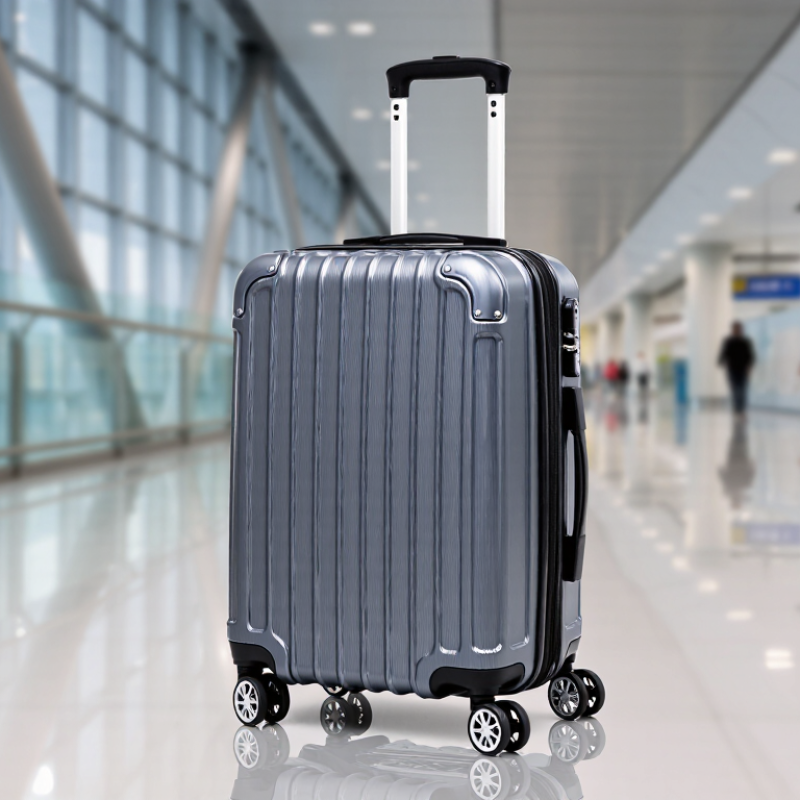
Wheel luggage is a travel bag fitted with wheels and a handle, so you can roll much of its weight instead of carrying it. Its basic parts work together: the bag holds your belongings, a frame supports the load, and wheels turn around axles beneath the case. Pulling the handle transfers force through the frame to the wheels. Simple, but not effortless.
Two-wheel cases usually tilt and roll behind you. Their larger wheels often handle uneven pavement better, though the case needs space to swing around corners. Four-wheel cases can move upright and turn easily in crowded terminals. Small wheels may catch on cracks or rough sidewalks. I used to think wheel count mattered most; wheel size and placement can matter just as much.
How a case rolls also depends on how you pack it. Heavy items placed low and near the wheels can make the bag feel steadier. A top-heavy load may wobble when pulled over a curb. Check that the handle extends without sticking and locks firmly at different heights. Then roll the empty case across a floor and over a small threshold. That test helps. It still cannot predict every surface, and a smooth airport floor can make almost any case seem better than it is.
Main Types of Wheeled Luggage
Two-wheel rollers and four-wheel spinners suit different routes. A two-wheel case tilts behind you, keeping its wheels tucked away from bumps and curb edges. It works well on rough sidewalks, though you must pull its weight. A spinner stands upright and turns easily through crowded terminals. Its wheels are more exposed, and uneven paving can make it wobble. Wheeled duffels offer a softer, flexible body, useful when rigid cases feel awkward. Carry-on and Checked Luggage describe size and use, not wheel style.
SITA’s 2024 Baggage IT Insights report recorded 6.9 mishandled bags per 1,000 passengers worldwide in 2023. That figure measures baggage-system handling, not wheel durability or one luggage type against another. Still, it is a useful reminder to check wheel housings, seams, and handles before buying. Roll a loaded case over a floor joint; listen for rattling and feel for drag. I might give repairable wheels too much weight, but a damaged wheel can make a light case miserable. There is no perfect winner. Choose two wheels for mixed pavement, or a spinner for smooth floors and frequent turns.
Wheel performance depends on more than the number of wheels. Four spinner wheels turn easily through airport halls, but they can wobble on cracked sidewalks. Two larger wheels often track better over uneven pavement, though the case must be tilted and pulled. Neither design wins everywhere. Think about the ground you travel on most.
Wheel size, material, and attachment all matter. Larger wheels can roll over small gaps with less snagging. A sturdy housing helps protect the wheel assembly when a bag is set down hard. Check that each wheel turns smoothly and sits firmly, without excessive side-to-side movement. A simple test: roll the empty case across tile, then over a door threshold. Listen for grinding. That matters.
The handle affects control, too. It should extend without sticking and feel steady when the bag is loaded. A handle that flexes noticeably can make a heavier case tiring to guide. Weight distribution also changes how wheels behave; packing dense items near the bottom may reduce tipping. I’d still leave room for personal preference: a quiet wheel is pleasant, but a slightly louder one may roll better on rough ground. Specifications help, but a short hands-on test reveals the awkward details. Sometimes they surprise you.
The best wheel luggage depends less on a “perfect” size than on how you travel. For a one- or two-night trip, a compact carry-on keeps you nimble through station gates and hotel corridors. Check your airline’s current size limits before packing; allowances can vary.
Check before flying.
If you expect to roll over cobbles or broken pavement, two wheels often track better when pulled behind you. Four-wheel spinners are easier to steer upright on smooth floors, but may need more attention on rough ground.
For trips of several days, choose a case with room for clothing layers without leaving it awkwardly heavy. A week away does not always require a larger suitcase; laundry access, shoes, and weather can change the calculation.
SITA’s Baggage IT Insights 2024 reported 6.9 mishandled bags per 1,000 passengers in 2023. That is useful context, not a reason to avoid checking luggage.
Keep essentials in your personal item, and label checked bags clearly. Before buying, test the packed case: roll it over a threshold, turn it in a tight space, and lift it into a car trunk.
A common planning mistake is estimating luggage by trip length alone. The packing list can be wrong.
Comparing wheeled luggage starts with how you travel, not how polished a suitcase looks. For a crowded station, test whether the case rolls straight beside you and turns without tipping. Four spinner wheels can pivot easily in tight spaces, while two larger wheels may handle uneven pavement better. Neither design wins everywhere. Check wheel clearance, axle sturdiness, and whether replacement parts are available. Then extend the handle fully and gently shake it; excessive wobble can become tiring on a long walk. A small test helps.
Weight and usable space matter, too. Weigh the empty case, then compare its internal layout with the items you actually pack. Deep corners can swallow a sweater but make smaller items hard to reach. SITA’s 2024 Baggage IT Insights report recorded 6.9 mishandled bags per 1,000 passengers in 2023. That figure includes baggage problems across air travel; it does not predict whether a particular wheel will fail. Still, it supports checking sturdy wheel mounts, reinforced corners, and a secure closure. Compare dimensions with your intended carrier’s current limits, since cabin allowances vary. I’d also roll a loaded case over a floor seam, not just showroom tile. The neatest-looking option may feel awkward once packed.
Capacity is a useful starting point when comparing wheeled luggage. Typical carry-on bags hold about 35–45 L, medium checked bags about 60–80 L, and large checked bags about 90–120 L. Bars show the midpoint of each range; actual capacity varies by design and dimensions. Choose a size that fits your trip and check your airline’s baggage limits.
Build your system. Protect your boat. Join the movement.