How to Choose Bar Height Sofa Legs?

Choosing the right sofa leg height can change more than appearance. It affects posture, cleaning access, room balance, and everyday comfort. This guide explains how to select Bar Height Sofa Legs with practical measurements and realistic expectations. A bar-height leg usually raises a sofa far above a standard seating position. That increase may suit a tall custom frame, a raised lounge, or a room needing extra clearance. It may also make an ordinary sofa feel awkward. Measure carefully.

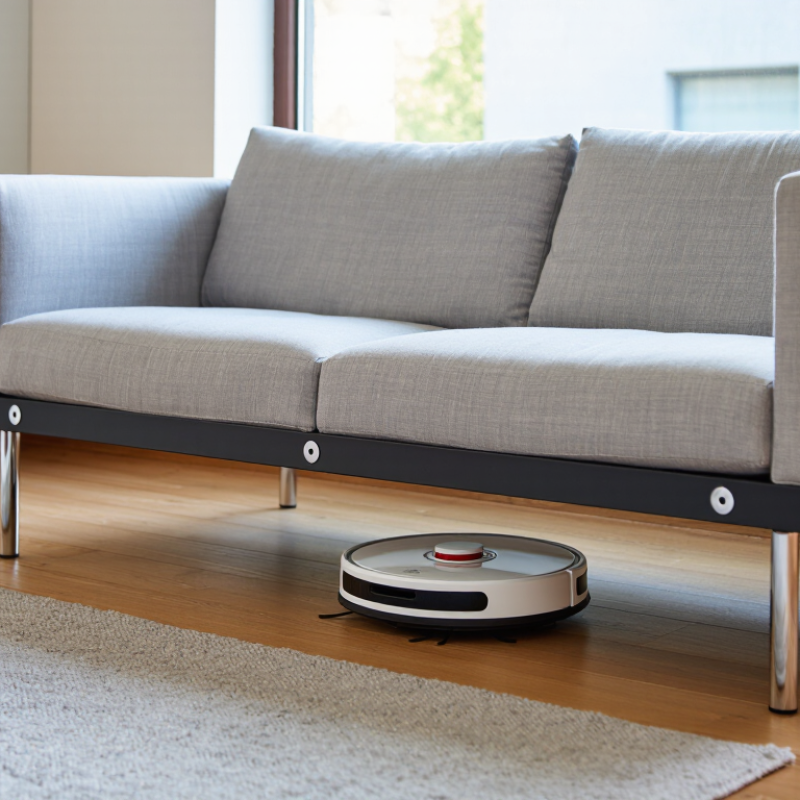
Before ordering, measure from the floor to the sofa frame, then add the proposed leg height. Check the finished seat height, including cushion thickness and compression. A firm cushion can sit higher than a soft one. Leave enough clearance for robotic vacuums, rugs, and nearby tables. Do not judge height by photographs alone. Perspective often lies. Weight capacity matters, too. Choose legs and mounting plates rated for the sofa, occupants, and repeated movement. Solid metal or hardwood can provide dependable support, but attachment quality remains critical. Inspect the frame for cracks, thin panels, or stripped screw holes. Reinforcement may be necessary.

A useful starting point is comparing the final seat height with your body and table height. Sit on a temporary platform for several minutes. Notice knee angle, foot contact, and pressure behind the thighs. Small details matter. Personal comfort can challenge standard furniture rules. Some measurements may need revision after testing. That is not failure; it is good decision-making. The following sections examine leg styles, measurements, materials, installation, and common mistakes, helping you choose Bar Height Sofa Legs with confidence rather than guesswork.
How to Choose Bar Height Sofa Legs?

Understanding Bar Height Sofa Leg Dimensions and Terminology

How to Choose Bar Height Sofa Legs?

Understanding the measurements prevents expensive mistakes. “Leg height” means the distance from the sofa frame to the floor. It does not mean the final seat height. Measure the existing leg, mounting plate, and threaded stem before ordering replacements. A five-inch leg can create a very different sitting position from a seven-inch leg.

For bar-height seating, check the complete height from the floor to the top of the cushion. Many bar stools use a seat height of about 28 to 32 inches, while bar surfaces often stand near 40 to 42 inches. A sofa may need different proportions because its cushion compresses under body weight. Measure with someone sitting on it. This detail matters.

Do not ignore the mounting hardware. Confirm the plate shape, screw spacing, thread diameter, and available clearance beneath the frame. A wide leg may touch nearby supports or block a footrest. The floor can also change the measurement. Thick rugs reduce practical clearance, while uneven floors may make a tall sofa wobble.

I once measured an empty cushion and chose legs from that number. The finished seat felt too high. That shortcut was wrong. Leave room for cushion compression and test the posture with temporary blocks.

A comfortable bar-height sofa should support relaxed knees, stable feet, and easy movement. Taller is not automatically better. Recheck every dimension before installation.

Measuring Your Sofa for the Correct Leg Height

How to Choose Bar Height Sofa Legs?

Measuring Your Sofa for the Correct Leg Height

Replacing sofa legs is not only a style decision. It changes seat height, posture, and the space beneath the frame. Measure from the floor to the top of the compressed seat cushion. Sit on the sofa before measuring. A soft cushion may sink two inches or more.

Write down the current leg height, including any threaded stem or mounting plate. Then measure the distance from the floor to the sofa frame. Add these measurements together. This gives your present seat height. For counter-height seating, a finished seat height of about 24 to 27 inches often works. Bar-height seating usually needs about 28 to 30 inches. Check the table height, too. Comfortable knee clearance matters.

Measure twice. Furniture rarely forgives guesswork.

Before ordering taller legs, inspect the sofa base and attachment points. The replacement leg must support the frame securely and match the existing hardware. Check doors, rugs, and nearby tables for clearance. If the sofa has a reclining mechanism, exposed metal parts, or a low hanging fabric skirt, extra height can create problems. I have found that visual balance is easy to underestimate. A sofa can measure correctly yet look oddly raised in a small room. Test the height with stable wooden blocks before making the final choice. Never leave the sofa resting on loose blocks. That experiment is useful, but it is not a finished solution.

Matching Leg Height to Seat Height and Counter Surfaces

How to Choose Bar Height Sofa Legs?

Choosing bar height sofa legs starts with the finished seat height, not the leg length alone. Measure from the floor to the top of the compressed cushion. A thick cushion may lose two inches when someone sits down. That detail is easy to miss.

For a counter surface around 34 to 36 inches high, aim for a sofa seat near 24 to 26 inches. This usually leaves 8 to 12 inches of usable knee space.

Bar surfaces often measure 40 to 42 inches, requiring a seat closer to 28 to 30 inches. Check the actual surface before ordering. Construction standards vary, and a few inches can change comfort significantly.

Measure twice.

Leg height must also account for the sofa frame, base, and mounting hardware. If the current seat is 19 inches high and your target is 25 inches, six-inch legs may seem correct. However, cushion compression and a recessed mounting plate can reduce the final height. I once trusted the advertised leg size and ignored the bracket depth; the sofa ended up lower than planned. That mistake made the counter feel awkward.

Leave enough space for knees without forcing users to lean forward. Test the layout with a temporary platform or stacked boards, then sit for several minutes. Comfort can expose problems that a tape measure cannot. Curiously, a slightly lower seat may work better for relaxed dining, while a higher one supports quick meals and conversation.

Checking Compatibility, Weight Support, and Installation Requirements

How to Choose Bar Height Sofa Legs?

Bar-height sofa legs can change comfort, balance, and room proportions. Measure the current seat height from the floor to the cushion top. Then decide the finished height you actually need. Bar-style seating often places the seat around 28 to 30 inches high, but sofa cushions compress with use. Allow for that change. A rigid measuring block can reveal the difference better than a tape measure alone.

Check compatibility before ordering. Measure the mounting plate, screw pattern, thread size, and clearance beneath the frame. A leg may fit the screw hole but still contact a crossbar or damage thin timber. Examine the frame, not only the old legs. Some sofas use recessed brackets. Others need an adapter plate. That detail is easy to miss.

Weight support requires more than reading one leg’s rating. Add the sofa, cushions, and expected occupants, then divide the load across all legs with a safety margin. Uneven floors can overload one corner. Use adjustable feet where possible. During installation, tighten fasteners gradually and keep the frame level. Pre-drill only when the material and screw type require it. Over-tightening can split wood. A stable-looking sofa may still wobble after one fitting stays slightly loose. Test every corner, sit down slowly, and inspect the joints again after several days.

Choosing Materials, Styles, and Finishes for Bar Height Sofa Legs

How to Choose Bar Height Sofa Legs?

Choosing bar height sofa legs starts with the finished seat height, not the leg length. Measure from the floor to the compressed cushion, then add the leg height. For a bar-height sofa, many projects target a seat around 28 to 32 inches. That range can feel upright and practical, but it may not suit every room. I test a sample by sitting for ten minutes. Short trials reveal pressure behind the knees. Measure twice.

Steel offers strong support and a slim profile, while aluminum keeps the base lighter. Hardwood brings warmth, but its grain direction and joint quality deserve close inspection. Choose legs with a verified load capacity exceeding the sofa’s total weight. Include users and movement, not just the frame. Wide mounting plates reduce twisting on soft upholstery frames. A tapered leg can look elegant, yet it may feel less stable on uneven floors.

Match the style to the sofa: angled legs suggest a modern profile, while square legs feel more architectural. Powder-coated metal resists everyday scratches, and sealed wood handles occasional cleaning well. Matte black hides fingerprints; clear finishes show texture and small flaws. That is not always a weakness. Check floor protectors before installation, especially on tile or finished wood. I once chose a beautiful leg with shallow threads; it loosened during testing. Now I tighten every fastener, check level, and repeat the load test after 24 hours.

How to Choose Bar Height Sofa Legs?

Choosing the right bar-height sofa legs involves checking the required height, material strength, visual style, and finish durability. The chart shows common nominal leg-length ranges used to raise a sofa toward bar-height seating.

Typical leg lengths are shown in inches. Final selection should account for the sofa frame, cushion thickness, floor clearance, and the target finished seat height. Bar-height seating commonly reaches approximately 28–30 inches from the floor.

Materials

Hardwood offers a warm furniture look, while steel provides strong visual structure and is suitable for thin, modern profiles. Aluminum is lighter and naturally corrosion-resistant.

Styles

Tapered legs suit traditional and transitional sofas. Square metal legs create a contemporary appearance, while hairpin legs add an open, lightweight industrial effect.

Finishes

Clear-coated wood preserves natural grain. Powder-coated metal improves abrasion resistance, while brushed or polished finishes change the visual character and maintenance needs.

Build your system. Protect your boat. Join the movement.

Compare Products
Talk to Sales