Why Choose the Right Bathroom Tile for Your Home Renovation?
Bathroom Tile selection is a crucial aspect of home renovation. The right choice can significantly enhance both aesthetics and functionality. According to the National Kitchen & Bath Association, over 70% of homeowners prioritize durable materials in bathroom renovations. This data underscores the importance of quality in tile selection.
Bathroom tiles come in various materials, sizes, and styles. Ceramic and porcelain tiles are popular for their water resistance and durability. However, natural stone tiles, while beautiful, require more maintenance. Homeowners often grapple with these decisions. It's essential to reflect on your lifestyle and maintenance preferences.
Research shows that proper bathroom tile can increase a home's value by up to 20%. This calls for a thoughtful approach. Whether aiming for luxury or simplicity, the choice of tile can impact long-term satisfaction. Therefore, being informed and intentional in selection can lead to a more rewarding renovation experience.
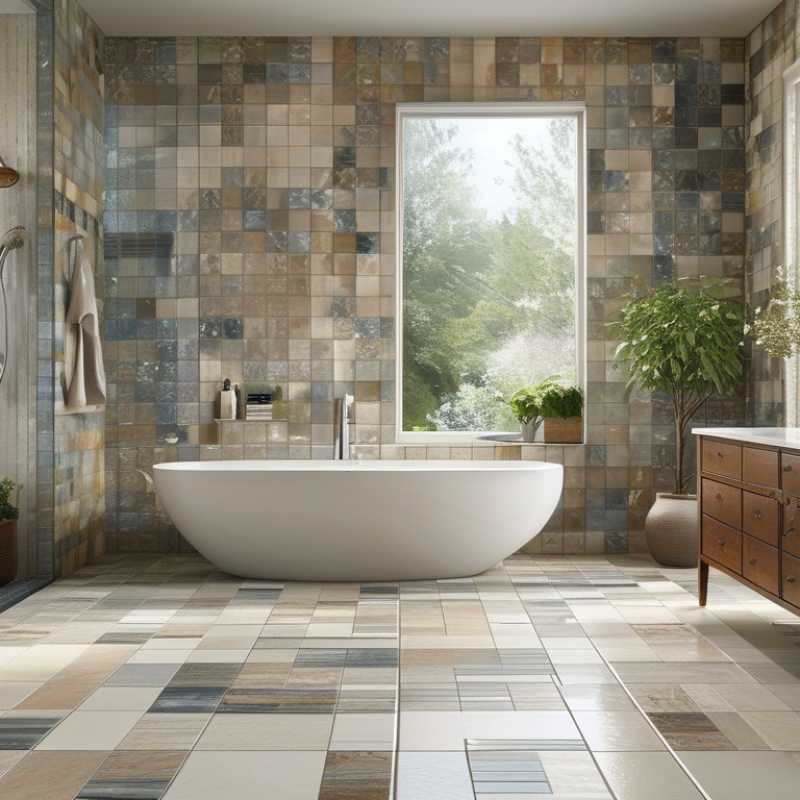
Understanding the Importance of Bathroom Tile Selection in Renovation
Choosing the right bathroom tile is critical for any renovation. Tiles impact both functionality and aesthetics. They need to withstand moisture while providing comfort and style. Every inch of your bathroom matters, from the floor to the shower walls. Tile selection can enhance space or make it feel cramped. Recognizing this importance can save costly rework later on.
Consider texture and color carefully. Dark tiles can create a dramatic effect but may also cligger the space. Light, glossy tiles can reflect light, helping the room feel bigger. It's vital to balance beauty and practicality. Some tiles might be easy to clean but may not offer good slip resistance. Finding tiles that meet both needs can be challenging.
Consulting with experts can provide insight into the best options. While DIY can be tempting, professional advice is invaluable. However, be open to feedback. There might be tiles that you initially dismiss. Reflect on how your choices align with your vision. Trust the process but be ready to adjust when necessary. Each decision contributes to the final ambiance of your bathroom.
Exploring Different Types of Bathroom Tiles: Materials and Styles
Choosing the right bathroom tile is crucial for any home renovation. Tiles come in various materials and styles, each offering unique benefits. Porcelain tiles, known for their durability, resist moisture and wear. They suit modern and traditional designs alike. Ceramic tiles are also popular; they are versatile and available in countless colors and patterns.
Natural stone tiles bring an element of luxury, but they may require more maintenance. Granite and marble look stunning but can be prone to stains. On the other hand, glass tiles reflect light beautifully, creating a spacious feel. The challenge lies in choosing a material that matches your home's aesthetic while considering functionality.
Mixing different tile types can enhance the visual appeal. A mosaic accent wall might complement larger tiles on the floor. However, this approach can be overwhelming. Sometimes, less is more. Assess how each option fits into your overall vision. Balancing style with practicality will lead to a bathroom that not only looks great but also lasts.
Why Choose the Right Bathroom Tile for Your Home Renovation? - Exploring Different Types of Bathroom Tiles: Materials and Styles
| Tile Type | Material | Style | Durability | Water Resistance | Cost (per sq ft) |
| Ceramic | Clay | Glossy, Matte | Moderate | Good | $1 - $15 |
| Porcelain | Denser Clay | Textured, Smooth | High | Excellent | $3 - $30 |
| Natural Stone | Granite, Marble | Rustic, Elegant | Very High | Good | $5 - $100 |
| Glass | Tempered Glass | Modern, Chic | Moderate | Excellent | $8 - $25 |
| Vinyl | Synthetic | Variable | Low | Good | $0.50 - $5 |
Assessing Functional Requirements: Durability and Maintenance Considerations
Selecting the right bathroom tile is crucial for a successful home renovation. Durability and maintenance are key factors to consider. Choose a tile that can withstand moisture and resist stains. Porcelain and ceramic tiles often fit these criteria well due to their density and water resistance.
When assessing durability, consider the tile's PEI (Porcelain Enamel Institute) rating. A higher rating indicates better resistance to scratches and wear. Tiles with a matte finish may hide dirt better, reducing cleaning frequency. Conversely, glossy tiles can show water spots, requiring more maintenance.
Attention to cleaning routines is essential. Some tiles demand special cleaners or techniques, which might complicate upkeep. Regular sealed grout can prevent mold but needs reapplication over time. Think about the long-term commitment involved with your choice.
For a practical approach, select a color that blends well with your bathroom decor. Lighter shades can make a small space feel airy. Darker tiles may require more frequent cleaning. Consider how these choices impact your daily life and reflect on the balance between style and practicality.
Aesthetic Impact: How Tile Choices Affect Bathroom Design and Feel
Choosing the right bathroom tile can significantly impact the overall aesthetic of your space. Studies reveal that over 70% of homeowners consider tile design as a key element in bathroom renovations. The material and color of tiles can influence the perception of space, making it feel either larger or cozier. For example, lighter tiles reflect more light, creating a sense of openness. Darker tiles, on the other hand, can add a touch of luxury but may also make a room feel smaller if not complemented properly.
Textures play a critical role as well. Smooth, glossy tiles can create a modern feel, while textured tiles bring warmth and character. A report from the National Kitchen and Bath Association suggests that 60% of designers recommend mixing tile types to achieve a more dynamic look. However, switching styles requires careful planning. An unsuccessful mismatch can lead to a disorganized appearance.
When selecting tiles, remember to consider maintenance needs. Some tiles require more upkeep than others, which could affect long-term satisfaction. Keep lighting in mind; natural light can change the tile's appearance throughout the day. Floor Tiles should not only be beautiful but also slip-resistant, particularly in wet environments. Balancing aesthetics with practicality enhances the overall design experience while ensuring safety.
Budgeting for Bathroom Tile: Cost Factors and Value for Investment
When renovating a bathroom, tile selection significantly impacts both aesthetics and budgeting. Industry reports show that bathroom tile can constitute up to 20% of total renovation costs. Knowing this factor is critical for homeowners. Costs vary widely, from budget-friendly ceramic to luxury marble, influencing the overall investment. For example, the average cost of ceramic tiles ranges from $1 to $10 per square foot, while high-end materials can exceed $15 per square foot.
Choosing the right tile impacts long-term value. Quality tiles not only enhance the look but also increase durability. According to a 2021 study by the National Association of Home Builders, homes with higher-quality finishes retain resale value better. Additionally, some tiles can improve energy efficiency, offering savings on utility bills. However, it’s essential to balance personal taste with market trends to ensure future appeal.
On the flip side, one must consider installation costs, which can double the expense. Professional installation can add an additional $5 to $10 per square foot. If DIY is an option, it could reduce expenses but poses challenges, including skill requirements. Mistakes can lead to higher costs down the line. Thus, careful planning and budgeting are crucial for successful bathroom renovations.