10 Effective Tips for Choosing Insulation Panel with Aluminum Foil?
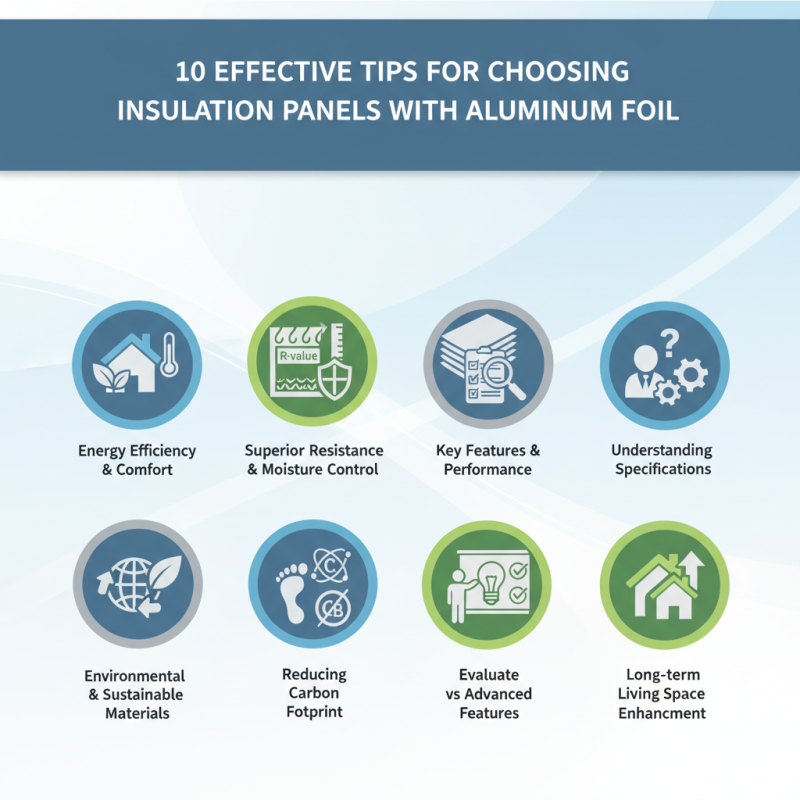
When selecting the right Insulation Panel with Aluminum Foil, several factors come into play. This choice significantly impacts both energy efficiency and overall home comfort. Insulation panels with aluminum foil provide superior thermal resistance, reflecting heat and controlling moisture. Choosing the right type can be overwhelming, given the variety available in the market.
Many consumers overlook key features. Not all insulation panels offer the same level of performance. For instance, the thickness and R-value of the panel matter. A well-informed decision can lead to better energy savings and improved indoor air quality. However, understanding these specifications often confuses buyers.
Additionally, environmental considerations are becoming increasingly important. Selecting sustainable materials shows commitment to reducing your carbon footprint. Sometimes, simplicity matters more than advanced features. It’s essential to evaluate your specific needs and reflect on what works best for your situation. A thoughtfully chosen insulation panel with aluminum foil can enhance your living space now and for years to come.
Understanding Aluminum Foil Insulation Panels and Their Benefits
Aluminum foil insulation panels are gaining popularity for their effectiveness. These panels reflect radiant heat, making them ideal for various applications. They can be used in homes, warehouses, and even commercial buildings. The lightweight nature of these panels makes installation easier, and they fit well into tight spaces.
One significant benefit is energy efficiency. By reducing heat loss in winter and keeping interiors cool in summer, aluminum foil panels help decrease energy bills. Their reflective surface can help in creating comfortable living conditions. However, not all settings may benefit equally. It's essential to evaluate your specific needs before choosing this solution.
Another point to consider is moisture management. While aluminum foil can offer great insulation, it may not be suitable for humid environments without proper vapor barriers. Improper installation can also lead to poor performance, making it crucial to follow guidelines carefully. Seeking professional advice can ensure you make informed decisions. Ultimately, matching the right insulation with your building's requirements is key to achieving the best results.
Key Considerations for Selecting the Right Insulation Thickness
Choosing the right insulation thickness is crucial for optimal energy efficiency. Insulation panels with aluminum foil can significantly enhance thermal performance. To determine the ideal thickness, consider the climate in your region. In colder areas, thicker insulation is often necessary to retain heat. Conversely, in warmer climates, a thinner panel may suffice to prevent overheating.
Another key factor is the specific application. Roofs, walls, and floors require different thicknesses to meet their insulation needs effectively. For instance, roofs may benefit from thicker panels to defend against heat loss in winter. Assessing the space and intended use helps in making an informed decision. Evaluating your insulation’s overall R-value can provide insight into its efficiency.
Installation impacts effectiveness too. Poorly installed panels can lead to gaps and reduce performance, regardless of thickness. Reflect on the experience and skills of your installer. A qualified professional can maximize the potential of your insulation. It’s important to remember that while higher thickness offers benefits, it may also increase costs. Balancing performance with budget is essential for the best outcome.
Comparison of Insulation Thickness and R-Values
This chart illustrates the relationship between insulation thickness (in inches) and its corresponding R-Value, which measures the insulation's effectiveness. As the thickness increases, the R-Value also increases, indicating better insulation performance.
Evaluating R-Values: How to Measure Insulation Efficiency
When evaluating R-values, understanding insulation efficiency becomes crucial. R-value measures thermal resistance. Higher R-values indicate better insulation performance. For instance, according to the U.S. Department of Energy, an R-value of 38 is recommended for attics in colder regions. This suggests substantial energy savings, potentially reducing heating needs by up to 30%.
In selecting insulation panels with aluminum foil, consider the reflective properties. Aluminum foil can help reflect radiant heat, enhancing overall efficiency. Studies show that adding a reflective layer can improve an R-value by approximately 1.5. However, not all installations suit reflective materials. For example, in humid areas, condensation issues may arise, diminishing the benefits.
Determining the right R-value is a balancing act. Local climate, building type, and specific use cases matter significantly. Many homeowners overlook these factors. They might focus solely on pricing, neglecting long-term energy costs. Evaluating insulation requires a comprehensive approach, analyzing not just the initial investment but also the potential longevity and efficiency of the materials used.
Comparing Reflective vs. Non-Reflective Aluminum Foil Options
When selecting insulation panels with aluminum foil, understanding the difference between reflective and non-reflective options is crucial. Reflective aluminum foil panels effectively reduce heat transfer. They reflect radiant heat, making them ideal for warmer climates. In contrast, non-reflective options absorb heat and are more suited for cooler areas, helping to retain warmth. Choosing between these two types hinges on your climate and insulation needs.
Here are some tips for selecting the best aluminum foil insulation panels. First, assess your local climate. This will help you determine which foil type suits your home best. Pay attention to the R-value of the insulation; it indicates thermal resistance. A higher R-value typically means better insulating properties. Don’t underestimate the importance of installation. Properly sealed seams and airtight barriers enhance performance.
Another factor to consider is the reflective surface. Look for panels with a tight, smooth texture for better effectiveness. Insulation that’s easy to handle and cut can save time during installation. However, remember that not all installations will lead to perfect outcomes. Always be prepared to tweak and adjust your methods based on your home’s specific requirements.
Assessing Environmental Impact and Sustainability of Insulation Materials
Choosing insulation panels plays a vital role in construction and energy efficiency. Aluminum foil can enhance thermal performance significantly. However, environmental impacts and sustainability are crucial factors to consider. According to a report by the U.S. Department of Energy, around 30% of energy used in buildings is wasted due to poor insulation. Therefore, selecting materials with low environmental footprints is essential.
When evaluating insulation materials, check for recycled content. Materials with recycled elements tend to reduce resource depletion significantly. Additionally, consider their lifecycle. A study published in the Journal of Cleaner Production shows that products with extended lifespans save more resources over time. It’s necessary to assess impact from manufacturing to disposal.
Tip: Always look for insulation with certifications indicating sustainability. You may find panels with third-party verification and eco-labels, which affirm low environmental impact.
Transparency is key in understanding the carbon emissions linked to insulation manufacturing. Pay attention to the energy required to produce the materials. Finding balance between performance and sustainability is challenging. Not every high-performing insulation solution is eco-friendly. Therefore, deeper insights are often needed to navigate through the options effectively.