Top Forged Wheels Buying Guide for Global Buyers?
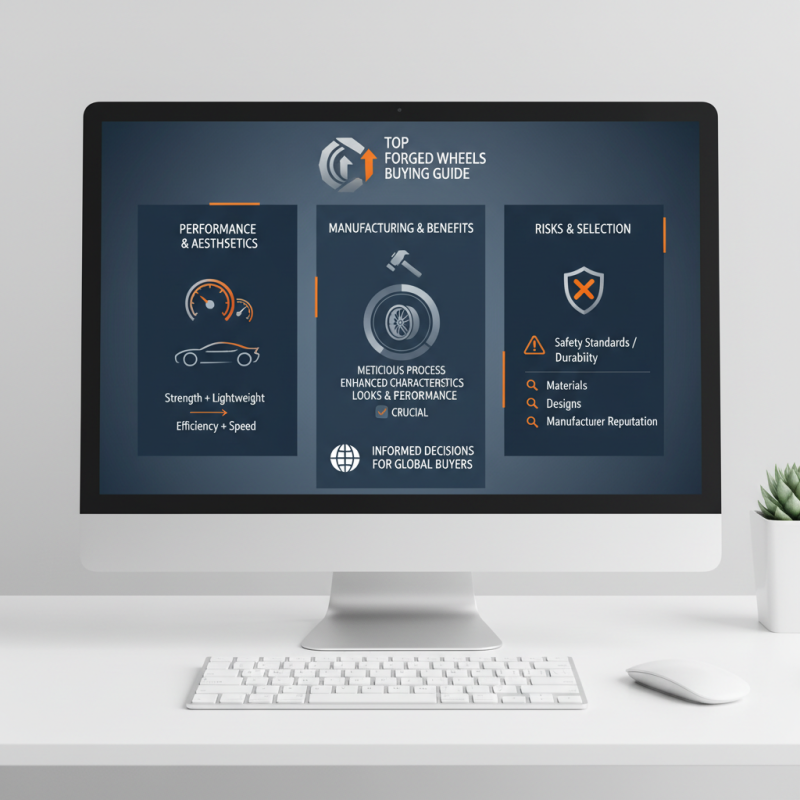
When it comes to upgrading your vehicle's performance and aesthetics, Forged Wheels are often at the top of the list. These wheels are renowned for their strength and lightweight properties. This combination increases both efficiency and speed. However, the market is flooded with options, making the right choice challenging.
Understanding the benefits of forged wheels is crucial. They are made through a meticulous process that enhances all important characteristics. This nuanced method results in a product that not only looks good but performs exceptionally well. Yet, buyers must navigate various brands and specifications to find the perfect fit for their requirements.
Moreover, potential risks in purchasing should not be overlooked. Not every forged wheel is crafted equally. Some may not meet safety standards or could lack durability. Therefore, gaining insights into materials, designs, and manufacturer reputations is essential. This guide aims to equip global buyers with the necessary knowledge for informed decisions in the world of forged wheels.
Overview of Forged Wheels and Their Benefits
Forged wheels are an intriguing choice for automotive enthusiasts. They are crafted from a single piece of metal, resulting in a stronger yet lighter product. According to a 2022 report by the Specialty Equipment Market Association (SEMA), forged wheels are 20% lighter than traditional cast wheels. This weight reduction leads to improved handling and fuel efficiency. Additionally, they promote better acceleration, making them ideal for racing applications.
One significant benefit of forged wheels is their ability to withstand stress. Research indicates that they have a tensile strength 30% greater than cast wheels. This durability not only enhances performance but also extends the lifespan of the wheel, reducing the need for frequent replacements. However, while forged wheels offer remarkable benefits, they come with a higher price tag, which can be a deterrent for some buyers.
Investing in forged wheels requires careful consideration. Is the performance truly worth the cost? Not all vehicles will harness the full potential of these wheels. Ensuring proper fit and suitability for your vehicle type is critical. Misfit wheels can compromise safety and performance. Even with their advantages, potential buyers should weigh the pros and cons objectively before committing.
Key Factors to Consider When Buying Forged Wheels
When considering forged wheels, several key factors come into play. The weight of the wheel is crucial. Lighter wheels improve handling and fuel efficiency. Studies show that a one-kilogram reduction in wheel weight can enhance performance by 1-2%. This is vital for racing enthusiasts and everyday drivers alike.
Material composition is another essential aspect. High-quality forged aluminum alloys are popular due to their strength and durability. Reports indicate that these materials can offer better resistance to wear and corrosion, extending the life of the wheels significantly. A wheel’s design also impacts aerodynamics. Poor designs can create drag, reducing efficiency.
One must also consider the wheel offset and bolt pattern. An improper fit can lead to alignment issues and uneven tire wear. It’s a reminder of how critical measurements are in the purchase process. Lastly, consulting user reviews can provide insights. These perspectives highlight strengths and weaknesses, revealing how certain choices perform in real-world conditions. Balancing these factors can lead to a wiser investment in forged wheels.
Top Forged Wheels Buying Guide for Global Buyers
| Criteria | Description | Importance Level |
| Material Quality | High-strength aluminum alloys are preferred for better performance and durability. | High |
| Weight | Lighter wheels improve acceleration and handling, making weight a critical factor. | High |
| Design | Aesthetic appeal and functionality; consider the style that fits your vehicle. | Medium |
| Size Compatibility | Verify sizes that suit your vehicle, ensuring proper fitment and clearance. | High |
| Price | Consider the budget as forged wheels can vary significantly in price. | Medium |
| Manufacturer Reputation | Choose reputable manufacturers for quality assurance and customer service. | High |
| Warranty and Support | A good warranty indicates the manufacturer's confidence in their product. | Medium |
Popular Brands and Models in the Forged Wheel Market
The forged wheel market has seen remarkable growth in recent years. According to industry reports, the global forged wheel market is projected to reach USD 7 billion by 2025, with an annual growth rate of 8.5%. This rise is due to increasing demand for high-performance vehicles and lightweight materials. Enthusiasts value both aesthetics and functional performance in their wheel choices.
Popular brands often focus on advanced manufacturing techniques. The use of lightweight aluminum alloys enhances strength while minimizing weight. Many models boast innovative designs that improve aerodynamics. Some reports indicate that forged wheels can reduce overall vehicle weight by up to 20%, improving fuel efficiency and handling. While these benefits are significant, there is a dilemma regarding cost. Premium forged wheels typically come with higher price tags, which may not fit every budget.
Consumers should also consider compatibility. Some forged wheel models may not suit all vehicle types. Plus, quality control can vary significantly among manufacturers. Researching user reviews and expert recommendations is essential for informed decisions. Understanding the balance between performance and price can help buyers navigate this competitive market effectively.
Maintenance Tips for Forged Wheels to Ensure Longevity
Forged wheels are a popular choice for performance vehicles due to their strength and lightweight characteristics. To maintain these wheels and ensure their longevity, proper care is essential. Regular cleaning can prevent dirt and brake dust buildup. A microfiber cloth is ideal for this purpose. Using soaps that are pH-balanced will also help maintain the wheel's finish without causing damage.
Corrosion is a significant threat to forged wheels, especially in regions that use salt on roads in winter. According to a study by the Specialty Equipment Market Association, nearly 30% of wheel damage stems from corrosion. To combat this, applying a protective sealant can create a barrier against moisture and contaminants. Inspecting the wheels regularly for any signs of damage, like scratches or dents, is equally crucial. Prompt repair can extend their lifespan significantly.
Be mindful of the tire pressure as well. Over-inflation can cause premature wear on the wheels, while under-inflation may lead to structural damage. A study from the Tire Industry Association reports that maintaining correct tire pressure can enhance wheel durability by up to 25%. Investing time in these maintenance practices not only preserves the aesthetic appeal of forged wheels but also contributes to their overall performance and safety on the road.
Common Myths and Misconceptions About Forged Wheels
When it comes to forged wheels, many misconceptions cloud the real benefits. One common myth is that forged wheels are simply lighter than cast wheels. While weight is a factor, the manufacturing process also contributes to overall strength and performance. Forged wheels are created through intense pressure, leading to a denser and more durable product. This can significantly enhance driving experience and handling, especially in high-performance vehicles.
Another prevalent myth suggests that forged wheels are only for racing enthusiasts. This belief is misleading. In reality, many everyday drivers can benefit from the durability and aesthetic appeal of forged wheels. They offer superior resistance to bending and cracking, making them suitable for various driving conditions. However, the higher cost of forged wheels often deters average buyers. This price difference stems from the extensive craftsmanship and quality materials used in their production. It's crucial for potential buyers to weigh these aspects before making a decision.
Many also believe that all forged wheels come with the same performance benefits. This is where buyer education is vital. Quality varies across manufacturers, so not all forged wheels are created equal. Research is essential to identify reputable manufacturers. Understanding the differences in design, alloy composition, and manufacturing techniques can lead to a better purchase decision. Forged wheels can offer tremendous value, but misconceptions can lead to misinformed choices.