What Is Hard Wood Flooring and How Do You Choose It?
Hard Wood Flooring remains a significant choice for homeowners seeking warmth, durability, and long-term value. The term usually describes solid hardwood planks, although engineered wood is often included in flooring discussions. Solid boards are milled from one piece of timber. Engineered boards combine a real-wood surface with layered plywood or fiberboard beneath it. That structure can improve stability in changing indoor conditions.
Industry data shows why this category deserves careful attention. Grand View Research valued the global wood flooring market at approximately USD 9.5 billion in 2023. It also forecasts continued growth through 2030. The National Wood Flooring Association emphasizes professional installation, moisture testing, and suitable maintenance. These details matter more than attractive showroom lighting. A beautiful oak sample may still fail in a damp basement.
Brett Miller, vice president of education and certification at the NWFA, has stated, “Wood flooring is an investment in your home, and with proper care, it can last for generations.” That idea sounds reassuring, but it needs context. Not every species suits every room. Oak offers reliable hardness and visible grain. Maple appears cleaner but can show dents and finish marks differently. Species, plank width, finish, subfloor condition, humidity, and installation method should guide the decision. I would not choose from color alone. That is an easy mistake. A practical selection begins with the room’s moisture exposure, traffic level, maintenance expectations, and the installer’s documented experience.
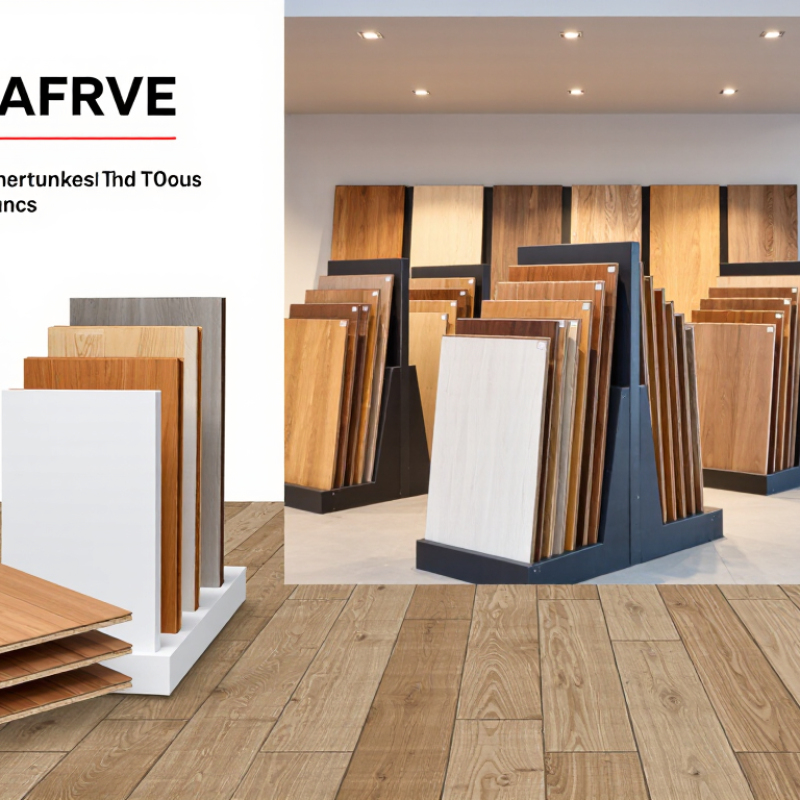
What Is Hardwood Flooring? Solid and Engineered Construction Explained
Hardwood flooring is real wood, but its construction changes how it behaves. Solid hardwood is milled from one piece of timber. Its thickness remains consistent from surface to bottom. This allows repeated sanding during its service life. Engineered hardwood uses a genuine wood wear layer over several cross-laid wood layers. That structure limits seasonal movement. It can perform more reliably over concrete or radiant-heating systems, when installation rules are followed.
The U.S. Department of Agriculture’s Forest Products Laboratory explains that wood is hygroscopic. It absorbs and releases moisture as indoor conditions change. The National Wood Flooring Association recommends maintaining indoor relative humidity near 30% to 50%. That range matters. A dry winter can create narrow gaps. Excess moisture can cause cupping or edge swelling. These changes are not always manufacturing defects.
A useful choice begins with the room, not the color sample. Solid flooring suits stable, above-grade spaces where future refinishing matters. Engineered flooring often fits basements, apartments, and rooms with wider humidity shifts. Check the wear-layer thickness, core quality, installation method, and subfloor moisture. The 2023 Freedonia study on U.S. floor coverings identifies renovation and replacement work as important demand drivers, but market growth does not make every product suitable. A thicker board is not automatically better. I would also question dramatic “waterproof” claims, because wood still reacts at exposed joints and edges.
| Selection Dimension | Solid Hardwood Flooring | Engineered Hardwood Flooring | What to Consider |
|---|---|---|---|
| Basic Definition | Flooring milled from a single piece of natural wood throughout its thickness. | Flooring made with a real hardwood top layer bonded to multiple layers of wood-based material, usually arranged in cross-grain directions. | Both products use a genuine hardwood surface. The main difference is the structure beneath the visible wear layer. |
| Typical Thickness | Commonly about 19 mm (3/4 inch), although other thicknesses are available. | Often ranges from approximately 10 to 20 mm, depending on the product construction and wear-layer thickness. | Check the total thickness and the thickness of the real wood wear layer before comparing products. |
| Dimensional Stability | Expands and contracts more noticeably as humidity changes because wood movement occurs across the board width. | Generally more dimensionally stable because its layered construction limits movement caused by changes in moisture. | Engineered flooring is usually the more forgiving choice in rooms with seasonal humidity changes. |
| Suitable Installation Levels | Commonly installed above ground level and may be used at ground level when site conditions are suitable. | Can often be installed above grade, at grade, and in some below-grade locations when the manufacturer’s requirements are met. | Below-grade installation requires careful moisture control and an appropriate subfloor system. |
| Subfloor Requirements | Usually installed over a structurally sound, dry, and level wood subfloor. Some systems may be installed over other approved substrates. | May be installed over approved wood or concrete subfloors, depending on the product and installation method. | The subfloor must be clean, dry, level, and adequately supported. Moisture testing is important over concrete. |
| Installation Methods | Can be nailed or stapled to a suitable wood subfloor. Some products may also support glue-down installation. | May be nailed, stapled, glued, or installed as a floating floor, depending on its profile and instructions. | Installation flexibility is one of the main practical advantages of engineered flooring. |
| Refinishing Potential | Can usually be sanded and refinished multiple times because the full board is hardwood. | Can often be refinished, but the number of times depends on the thickness of the hardwood wear layer and the sanding method. | Do not assume every engineered floor can be sanded repeatedly. Confirm the wear-layer thickness first. |
| Moisture Resistance | Not waterproof. Excess moisture can cause cupping, crowning, gaps, staining, or permanent damage. | More resistant to dimensional movement than solid wood, but the wood surface and core can still be damaged by standing water or high moisture. | Neither type should be treated as waterproof. Promptly clean spills and control indoor humidity. |
| Best Room Applications | Well-suited to living rooms, dining rooms, bedrooms, hallways, and other dry interior spaces. | Suitable for many of the same spaces and often a practical option for basements or rooms over concrete when properly installed. | Bathrooms, laundry rooms, and other wet areas require extra caution and may need a different flooring material. |
| Appearance | Offers natural grain, color variation, and the ability to develop a patina as it ages. | Provides the appearance of a solid hardwood surface because the visible top layer is real wood. | Choose the species, grade, board width, surface texture, finish, and color to achieve the desired look. |
| Acclimation Before Installation | Normally requires acclimation in the installation environment so the wood can adjust to local temperature and humidity conditions. | Also commonly requires acclimation, although the exact procedure varies by product and construction. | Follow the flooring instructions and confirm that the site is enclosed, conditioned, and ready for installation. |
| Maintenance | Sweep or vacuum regularly, wipe spills promptly, and use cleaning products made for finished wood floors. | Requires the same basic care: remove grit, avoid excessive water, and protect the surface from furniture and sharp objects. | Never saturate a wood floor or use a steam cleaner unless the flooring instructions specifically allow it. |
| Humidity Guidance | Performs best when indoor humidity remains within a moderate, relatively stable range, commonly around 30% to 50%. | Also benefits from stable indoor humidity, even though its construction typically reduces seasonal movement. | Use ventilation, heating, cooling, or a humidifier/dehumidifier to reduce extreme fluctuations. |
| Long-Term Value | Its substantial hardwood thickness can support a long service life and multiple future refinishing projects. | Can also provide a long service life, especially when it has a sufficiently thick wear layer and receives proper care. | Evaluate the wear layer, finish quality, installation conditions, and maintenance plan rather than price alone. |
| Choosing Factors | Choose solid hardwood when maximum refinishing potential, traditional construction, and above-grade installation are priorities. | Choose engineered hardwood when improved stability, installation versatility, or installation over concrete is important. | Consider the room location, subfloor, moisture conditions, expected traffic, maintenance preferences, and renovation goals. |