Top 10 High Reliability Capacitors for Global Buyers?
In today's fast-paced electronics industry, the demand for High Reliability Capacitors is stronger than ever. These components are crucial in applications where performance and longevity matter. With emerging technologies, the choice of capacitors can significantly impact device reliability.
Understanding the importance of High Reliability Capacitors is vital for manufacturers. They must ensure their products endure in diverse environments. Choosing the wrong capacitor can lead to system failures and costly recalls. The right selection involves considering factors like temperature stability, voltage ratings, and failure rates.
For global buyers, a comprehensive overview of the top high reliability capacitors is necessary. This guide highlights trusted brands known for their performance and durability. However, evaluating these options requires careful analysis, as even small choices can accumulate significant risks. Failing to prioritize reliability can result in severe consequences for manufacturers.
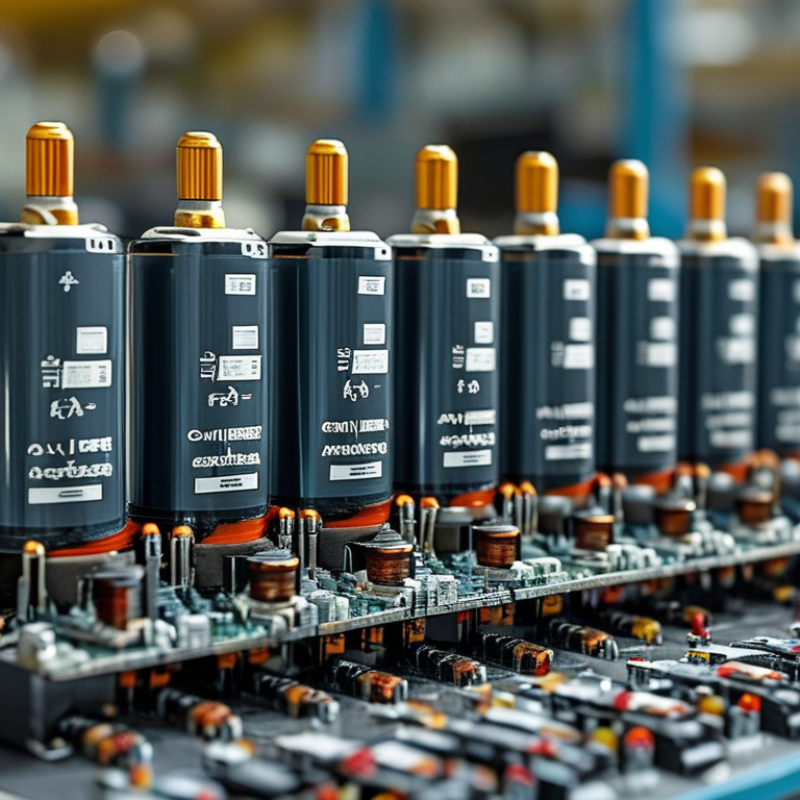
High Reliability Capacitor Overview: Importance and Applications
High reliability capacitors are critical components in various industries, including automotive, aerospace, and telecommunications. These capacitors are designed to withstand extreme conditions and ensure long-term performance. According to a market research report, the global high reliability capacitor market is projected to grow at a CAGR of 6.5% from 2022 to 2029. This growth is driven by increasing demand for efficient energy storage and advanced electronic functions.
The applications of high reliability capacitors are vast. In automotive electronics, they help manage power levels during dynamic operations. In aerospace, these components support systems exposed to harsh environments, ensuring mission success. However, the manufacturing process can be complex, leading to potential variability in quality. Reports indicate that approximately 10% of capacitors can fail under high-stress conditions, highlighting the importance of rigorous testing protocols.
Addressing these challenges requires a focus on quality assurance and consistent performance. Many companies invest in advanced materials and designs to enhance reliability. Yet, there’s always a trade-off between cost and quality. Designers must consider how to balance budget constraints with the need for dependable components. Engaging with industry standards and following best practices can significantly improve outcomes, though perfection remains elusive.
Criteria for Selecting High Reliability Capacitors: Key Factors
When selecting high reliability capacitors, several key factors come into play. The operating temperature range is crucial. Capacitors that perform well in extreme temperatures typically last longer. Data suggests that capacitors rated for -55°C to +125°C significantly reduce failure rates in demanding applications.
Another important criterion is the rated voltage. Selecting a capacitor with a voltage rating above the operational voltage is essential for reliability. Reports show that exceeding the rated voltage can lead to catastrophic failures. Capacitance stability over time is also vital; capacitors lose performance as they age, especially in complex circuits.
**Tips:** Always review the manufacturer's datasheet before making a decision. Look for detailed specifications on life expectancy and ripple current ratings.
The mounting technology can impact reliability as well. Surface mount capacitors usually offer better performance and space-saving benefits compared to through-hole types. However, improper soldering can lead to issues. Quality assurance during assembly should never be overlooked.
**Tips:** Consider conducting a reliability test under your specific operating conditions. Testing can reveal hidden vulnerabilities and improve long-term performance.
Top Manufacturers of High Reliability Capacitors: A Comprehensive List
High reliability capacitors play a crucial role in various industries. They ensure performance and longevity in electronic devices. A comprehensive list of top manufacturers can guide global buyers in selecting the best options. Recent market analysis shows that the demand for high reliability capacitors is increasing annually by 7%. This growth is driven by advancements in technology and the need for durable components.
When exploring manufacturers, consider those with proven track records. Look for companies that adhere to strict industry standards. Reliability testing data indicates that capacitors from top manufacturers have failure rates below 1%. This statistic highlights the importance of quality assurance in the production process.
Tips: Always verify certifications and testing methods. This ensures that you receive quality products. Engage with industry forums to gather insights and experiences from other buyers. Networking can reveal lesser-known but reliable manufacturers. Researching customer testimonials can reinforce your choices too. Understanding the import regulations of your region can prevent delays during procurement. Aim for a well-informed decision to enhance product efficacy.
Performance Comparison: Evaluating the Best High Reliability Capacitors
When evaluating high reliability capacitors, performance comparison is crucial. Various parameters determine the effectiveness of these components. Start by looking into parameters like voltage ratings, temperature coefficients, and capacitance values. These factors contribute significantly to the capacitor's reliability and longevity.
Consider checking the dielectric materials used. For instance, ceramic, tantalum, and aluminum options have distinct advantages and disadvantages. The operating environment also plays a role. Capacitors may react differently to heat or humidity. So, understanding the specific application is vital for optimal performance.
Tips for selection: Ensure thorough testing standards. Always review product specifications from trusted sources. Aim for ceramics in high-frequency applications due to their stability. Choose tantalum for compact, effective solutions in tight spaces. It’s beneficial to compare multiple options before making a final decision. Each has its strengths and weaknesses. Take your time to analyze carefully. This approach leads to informed choices in high reliability capacitors.
Top 10 High Reliability Capacitors Performance Comparison
Future Trends in High Reliability Capacitor Technology: Innovations Ahead
The landscape of high reliability capacitors is evolving rapidly. Innovations in materials and designs are pushing boundaries. Advanced ceramics and polymers are gaining momentum, improving performance under extreme conditions. Enhanced thermal stability and lower leakage currents are becoming standard.
There's a noticeable shift towards automated production methods. These help reduce human error and increase consistency. However, reliance on automation can lead to unforeseen complications. It's essential to balance efficiency with quality assurance. The integration of AI in testing procedures promises better defect detection but raises questions about overdependence on technology.
As we explore future trends, sustainability is crucial. Researchers are advocating for eco-friendly materials. This shift is not just beneficial for the environment; it’s also a challenge. Finding the right balance between performance and sustainability requires careful thought. Industry players must remain agile in adapting to these changes while maintaining reliability standards.
Top 10 High Reliability Capacitors for Global Buyers
| Capacitor Type | Voltage Rating (V) | Capacitance (µF) | Temperature Range (°C) | Lifespan (Hours) | Applications |
| Ceramic Capacitor | 16V | 10 | -55 to 125 | 1000 | Consumer Electronics |
| Tantalum Capacitor | 25V | 47 | -55 to 85 | 2000 | Medical Devices |
| Electrolytic Capacitor | 50V | 1000 | -25 to 85 | 3000 | Power Supplies |
| Film Capacitor | 400V | 1 | -40 to 85 | 5000 | Audio Equipment |
| Aluminum Capacitor | 16V | 330 | -40 to 105 | 2000 | Automotive |
| Mica Capacitor | 500V | 10 | -55 to 125 | 10000 | RF Applications |
| Supercapacitor | 2.7V | 5000 | -40 to 65 | 100000 | Energy Storage |
| Polymer Capacitor | 25V | 100 | -55 to 125 | 3000 | Consumer Electronics |
| Niobium Capacitor | 50V | 47 | -55 to 85 | 2000 | High-Reliability Applications |
| Glass Capacitor | 100V | 1 | -55 to 200 | 20000 | Military and Aerospace |