How to Choose the Best Water Purifiers?
Choosing the right water purifiers is not simply a matter of buying the most expensive model. It requires careful attention to water quality, household needs, and verified treatment performance. The WHO/UNICEF Joint Monitoring Programme reported that 2.2 billion people lacked safely managed drinking water services in 2022. This figure shows why dependable household treatment remains important, even where tap water appears clear.
A practical decision begins with testing the incoming water. A glass may look clean while containing microorganisms, lead, nitrates, or excessive minerals. The U.S. Environmental Protection Agency recommends checking local water-quality reports before selecting treatment equipment. NSF, an internationally recognized standards organization, also explains that certification should match a purifier’s specific claim. A certified filter for chlorine reduction may not remove bacteria or dissolved metals. Read the label carefully.
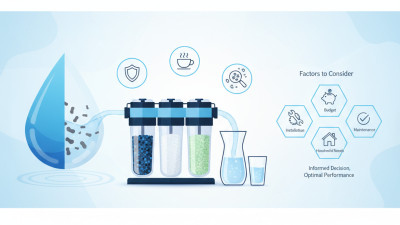
Consider filter life, flow rate, installation space, and replacement cost. These details matter at the kitchen sink. A family may need several liters daily, while a compact apartment may prioritize quiet operation and easy maintenance. Reverse osmosis can reduce many dissolved contaminants, but it may waste water and remove beneficial minerals. Ultraviolet systems can address microorganisms, yet they usually need electricity and relatively clear water. No purifier is perfect. That is an uncomfortable truth.
This guide compares common technologies using evidence from public-health agencies, certification bodies, and manufacturer specifications. It also questions attractive marketing claims. The best choice is the purifier that fits tested water conditions, realistic maintenance habits, and an independently verified performance standard.
Define Water Needs with EPA’s 90-Regulated-Contaminant Framework
How to Choose the Best Water Purifiers?
Define your water needs before comparing purifier features. The U.S. Environmental Protection Agency’s framework covers 90 regulated contaminants. These include microbes, disinfectants, metals, chemicals, and radionuclides. It is a useful starting map, not a universal shopping list. No single purifier removes every contaminant equally well.
Check your local water quality report first. It may reveal lead, nitrate, arsenic, or disinfection by-products. Private wells need independent laboratory testing, because public reports may not represent them. The EPA’s 2023 Drinking Water Infrastructure Needs Survey estimated $625 billion in U.S. needs over the next 20 years. Aging pipes can change water quality after treatment. The World Health Organization and UNICEF reported that 2.2 billion people lacked safely managed drinking water in 2022. These figures show why source conditions matter. Still, broad statistics cannot replace a household test.
Tips: Match the purifier to a specific contaminant. Verify independent performance testing. Check flow rate, replacement costs, and waste water. For lead concerns, test water from the tap, not only the source. Keep records. Recheck after plumbing changes. “More filtration” sounds safer, but it can increase maintenance and reduce flow. I would not choose a system from appearance alone. The label may be clear, while the test evidence remains incomplete. EPA reports, local utility data, and certified laboratory results deserve more weight than promotional claims.
EPA drinking-water standards cover different contaminant groups, and no single purification method removes everything equally well. This chart compares selected EPA maximum contaminant levels, normalized to micrograms per liter (µg/L) for visual consistency. Use a laboratory water test and the applicable EPA standard to identify the treatment capability you need; the values are not a direct measure of health risk or treatment priority.
Test Source Water Before Comparing Filtration and Purification Methods
Choosing the best water purifier should begin with the water entering your home, not with a glossy specification sheet.
Fill a clean glass bottle from the cold kitchen tap after letting it run for two minutes. A certified laboratory can check bacteria, lead, nitrates, hardness, arsenic, and other relevant contaminants. Test results reveal the problem. A municipal report may help, but it can miss changes inside old pipes or a private well.
Compare filtration methods only after identifying what needs removal.
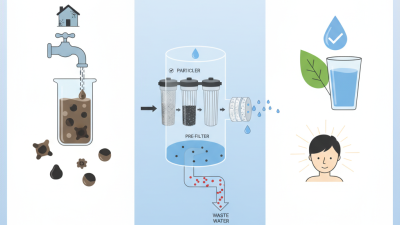
Activated carbon can improve taste and reduce some chemicals, yet it is not a universal safeguard. Reverse osmosis may reduce dissolved salts and several metals, but it wastes water and needs pressure and maintenance. Ultraviolet treatment can address microorganisms, but it does not remove sediment or dissolved chemicals. A sediment filter may protect later stages when your sample contains visible particles.
Read performance claims carefully, and look for independent certification matching the contaminant you found.
Ask how often cartridges require replacement, how used parts are disposed of, and whether the unit has a cleanable contact surface. Keep test reports, installation dates, and maintenance records. I once treated “clear” water as safe; that assumption was careless. Retesting after installation is worthwhile, especially after plumbing repairs, flooding, or a change in taste.
Match Technologies to NSF/ANSI 42, 53, 58, and 401 Standards
How to Choose the Best Water Purifiers?
Choosing a water purifier starts with the contaminant, not the appliance’s appearance. NSF/ANSI 42 addresses aesthetic concerns, including chlorine taste, odor, and visible particles. NSF/ANSI 53 focuses on health-related contaminants, such as lead, cysts, or certain chemicals. Check the exact claim. Certification does not guarantee removal of every contaminant.
Reverse osmosis systems evaluated under NSF/ANSI 58 can reduce dissolved solids, fluoride, arsenic, and some heavy metals. However, a 58 listing does not mean every model removes the same substances. NSF/ANSI 401 covers selected emerging contaminants, including some pharmaceuticals and personal care chemicals. It is a useful standard, but not a universal safety promise. Water testing remains important.
Tips: Read the performance data sheet before buying. Match each claim to your local water report. Confirm replacement filter costs and service intervals. Measure available space under the sink. A purifier that sits unused provides no protection. Flow rate matters, too, especially in busy kitchens. I have seen people focus on a high percentage reduction while ignoring filter changes. That is an easy mistake. Ask whether an independent laboratory verified the specific claim. Also check wastewater output for reverse osmosis systems. Cleaner water can involve trade-offs.
Size Flow Rate and Capacity Using Manufacturer Performance Ratings
How to Choose the Best Water Purifiers?
Size, Flow Rate and Capacity Using Manufacturer Performance Ratings
A water purifier should fit your kitchen, not merely look powerful online. Measure the available space, including hose connections and room for filter replacement. A compact unit may suit one sink, while a larger system may support several outlets. Leave practical access around it.
Flow rate shows how quickly filtered water reaches your glass. Check the manufacturer’s rating in liters per minute or gallons per minute. Then examine the test conditions, including water pressure and temperature. Real flow may drop when filters become dirty. A high peak rate can sound impressive, but continuous flow matters more during cooking or filling a bottle. Test it at your normal tap pressure when possible. That small check can prevent disappointment.
Capacity describes how much water the system can treat before servicing or cartridge replacement. Compare the stated capacity with your household’s daily use. Four people may consume far more filtered water than a single occupant. Ask whether the rating covers sediment, chlorine, hardness, or other tested substances. Performance claims should identify testing methods, limits, and replacement intervals. Independent certification adds useful evidence, but it does not replace reading the installation requirements.
I once underestimated refill demand and chose a unit with a modest tank. It worked, but waiting became irritating. My mistake was trusting the number without matching it to daily habits. Manufacturers also differ in rating language, so compare like with like. Keep the installation guide and service records for safer, more consistent performance.
Plan Maintenance Around Rated Filter Life and CDC Replacement Guidance
How to Choose the Best Water Purifiers?
A reliable water purifier should have a clear maintenance plan, not only attractive specifications. Check the filter’s rated life in gallons, months, or liters. Then compare it with your household’s actual water use. A four-person home may reach the limit earlier than expected. Record the installation date on the housing or in your phone.
Follow the filter manufacturer’s schedule and CDC replacement guidance. CDC recommendations can vary by filter type, water source, and household conditions. Replace cartridges sooner if water flow drops, taste changes, or sediment appears. After flooding, pipe repairs, or a boil-water notice, seek local health guidance before relying on the purifier. Rated life is not a guarantee.
Tips:
Keep spare filters dry and sealed. Wash reusable parts with clean hands. Do not delay replacement because water still looks clear. Contaminants may be invisible. A simple maintenance log helps, although I have found that calendar reminders are easier to forget than physical labels. Test the water when quality is uncertain, especially in homes using private wells. A certified technician can check installation, leaks, and performance.