10 Shower Sprayer Buying Tips for Global Buyers
A Shower Sprayer may look like a simple bathroom fitting, but a small mismatch can create delays, complaints, or costly returns. Global buyers need to compare more than appearance and unit price. Water pressure, connection sizes, hose length, spray settings, materials, and finish all affect whether a model suits its intended market. A product that works well in one bathroom may disappoint in another. Details matter.
Start with the end user and installation environment. Ask suppliers for clear specifications, material information, product drawings, and sample units. Check whether the sprayer connects to commonly used fittings in your target region, and confirm the package includes the parts buyers expect. Request relevant test reports or certifications, then verify that they apply to the product and market in question. Requirements can differ. Do not assume a familiar logo answers every question.
A reliable purchase also depends on supplier communication and after-sales support. Compare lead times, minimum order quantities, packaging options, spare-part availability, and warranty terms alongside the quoted price. Examine samples for grip, spray consistency, hose flexibility, and finish quality. These checks cannot predict every field issue, but they can expose obvious gaps before a large order. One point is easy to miss: the cheapest model may cost more after returns and support calls. Even careful buyers overlook something. Use the ten tips ahead as a practical checklist, and adapt them to your customers, installation conditions, and sourcing priorities.
Understanding Shower Sprayers and Their Main Types
A shower sprayer is the outlet that shapes how water reaches the body. Its design affects reach, coverage, and everyday comfort. A fixed showerhead stays mounted overhead or on a wall. It suits users who prefer a steady, hands-free spray. Check the head’s angle and spray pattern; a broad spray may feel gentle, while a narrower one can feel more concentrated.
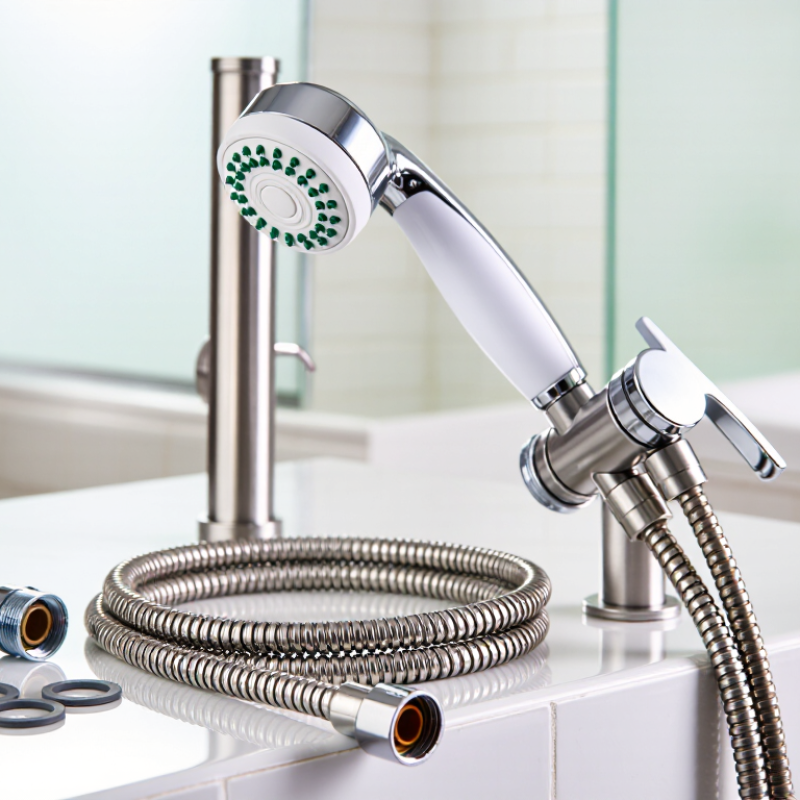
A handheld sprayer connects to a flexible hose and lifts from its bracket. It helps rinse shampoo, clean the shower, or bathe children and pets. The hose should reach comfortably without dragging across the floor. A combination set pairs a fixed head with a handheld unit, often with a diverter to switch between them. Useful, but more parts mean more connections to inspect.
Some models mount on a slide bar, letting users adjust the handheld height. That can improve access for different family members, though the bar does not change water pressure. Buyers in different markets should check hose and pipe connections, since fitting standards can vary. Also compare the spray modes using the actual household pressure when possible. Product descriptions rarely show how a spray feels in a small shower. That detail is easy to overlook.
Defining User Needs and Installation Requirements
A useful shower sprayer starts with the people who will use it. Note whether users prefer a focused rinse, a softer spray, or a handheld head for cleaning the shower. Check the available water pressure, too; a wide spray can feel weak in a low-pressure system. Small detail. Measure the distance from the wall outlet to the highest user, and consider whether the hose can reach a seated user or a nearby tub. These needs can differ across households, so avoid choosing by appearance alone. A quick note on daily routines can prevent a poor fit.
Installation details matter just as much. Measure the outlet thread, hose connection, and existing bracket before ordering, since fittings vary by market and plumbing system. Check the wall material and mounting points if the sprayer includes a holder. A strong tile wall and a hollow panel do not accept fasteners the same way. Also confirm the hose length and whether the current diverter can supply the sprayer. Buyers sometimes overlook these checks, then discover that a small adapter or extra mounting work is needed. It is worth checking the product instructions and asking a qualified installer when the connection or water pressure is unclear. I would recheck the measurements, even if they seem obvious.
Comparing Materials, Water Flow, and Spray Features
Shower sprayers are exposed to heat, moisture, and daily handling, so material choice matters. Stainless steel generally offers a sturdy feel, while ABS plastic is lighter and may be easier to handle. Check the connection points and finish, not just the outer surface. A shiny coating can look convincing but still show scratches over time. Ask suppliers how finishes are tested and maintained.
Water flow needs careful comparison. Look for flow-rate figures measured at a stated pressure; figures without test conditions are hard to compare. Household pressure varies between buildings and regions, so a sprayer that feels strong in one home may feel weak elsewhere. If possible, test it with the expected hose and water supply. Small detail, big difference. A flow restrictor can also affect performance, so check whether it can be cleaned or replaced.
Spray features should solve real needs, not simply increase the number of settings. A focused rinse can help wash out shampoo, while a softer pattern may suit sensitive skin. Check whether the controls are easy to switch with wet hands and whether the nozzles resist mineral buildup. Silicone nozzles are often easier to wipe, though they still need occasional cleaning. More modes aren’t always better; sometimes one setting gets used most. That is worth admitting when comparing specifications.
Assessing Pricing, Shipping, and After-Sales Support
A shower sprayer’s quoted price is only the starting point. Compare the unit cost with packaging, freight, insurance, duties, and inland delivery. UNCTAD’s Review of Maritime Transport 2024 notes that shipping carries over 80% of global trade by volume, making freight exposure hard to ignore. Ask suppliers for separate charges and a quote validity period. Check carton dimensions, shipment weight, and minimum order quantity; these can change landed cost quickly. Small details matter.
Shipping reliability deserves equal scrutiny. The World Bank’s Logistics Performance Index 2023 assesses 139 economies across six areas, including customs, infrastructure, tracking, and timeliness. Use these measures to compare likely routes, but verify actual delivery estimates with the forwarder. For after-sales support, request written warranty terms, spare-part availability, and a named contact with a response-time target. PwC’s 2018 Future of Customer Experience survey found that 73% of consumers consider experience an important purchasing factor. Support is part of the buying decision. I still find it easy to underestimate the cost of a missing cartridge or a slow reply. Test the process before placing a large order: send a technical question and note how clearly it is answered.
Shower Sprayer Buying Tip: Check Flow-Rate Requirements
Flow-rate limits affect product selection and compliance. The U.S. federal maximum is 2.5 gallons per minute (gpm); the EPA WaterSense specification sets a stricter 2.0 gpm maximum for labeled showerheads. These are U.S. benchmarks, not global requirements. Confirm the rules for the destination market and check whether the specified rate applies to the complete shower assembly.
Sources: U.S. Department of Energy, 10 CFR § 430.32(p); U.S. EPA, WaterSense Specification for Showerheads.