Explore Small Elevator Lifts at 2026 China Import and Export Fair?
The 2026 China Import and Export Fair will showcase various innovations, including Small Elevator Lifts. These compact solutions are crucial in enhancing accessibility in tight spaces. Visitors will witness advancements that blend efficiency with modern design.
The fair takes place in three phases, each focusing on different industries. Attendees can expect to explore cutting-edge manufacturing and electronic appliances during the first phase. Small Elevator Lifts may redefine convenience in urban settings, yet their integration into existing structures poses challenges.
AI-driven features will assist buyers, offering quick searches for certified suppliers. Navigation will be seamless, enhancing the overall experience. However, even with technological upgrades, the need for human interaction remains significant. Evaluating the relevance of Small Elevator Lifts may lead to unexpected insights, pushing boundaries in urban mobility solutions.
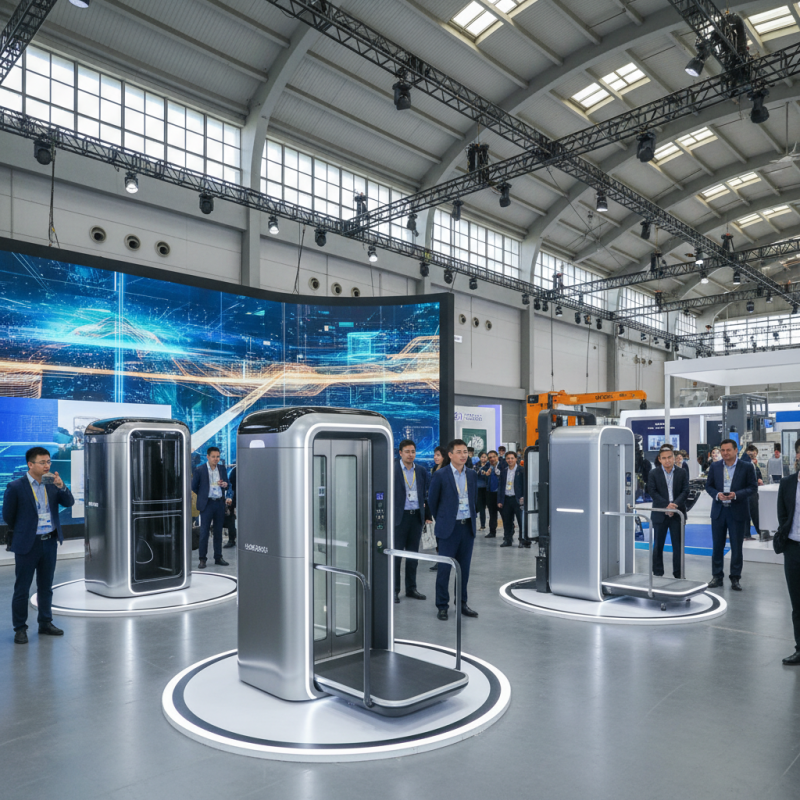
Overview of Small Elevator Lifts and Their Purpose
Small elevator lifts are vital in modern architecture. They facilitate accessibility in multi-story buildings. The 2026 China Import and Export Fair showcases these innovations. They cater to residential areas, offices, and small commercial spaces.
According to industry reports, small elevators can serve spaces as compact as 30 square meters. Their designs blend seamlessly into interior décor. However, installation challenges often arise. Space restrictions and structural limitations may hinder effective implementation. Recent studies indicate that 60% of architects encounter such issues in urban environments.
Moreover, these lifts enhance mobility for individuals with disabilities. Current estimates suggest that around 15% of the world's population lives with a disability. Yet, only 30% of buildings have adequate lift access. This disparity highlights the need for improvement in accessibility solutions. As the demand for small elevator lifts grows, the industry must address these gaps effectively.
Key Features of Small Elevator Lifts for Various Applications
Small elevator lifts are gaining popularity for various applications. With their compact design, they easily fit into small spaces. These lifts provide convenience for both residential and commercial use. They can transport goods or people with ease. Often, they are installed in homes to aid mobility for seniors or those with disabilities. The small footprint is perfect for tight areas.
Key features include user-friendly controls and safety mechanisms. Many models have automatic doors and non-slip flooring. These elements enhance user experience significantly. Features like load capacity are also critical. They can handle various items, from groceries to heavy equipment. Observing these features can help buyers choose the right lift.
Considering the increasing demand, manufacturers are innovating. They focus on energy efficiency and aesthetics. Custom designs are becoming more common, allowing users to match their decor. However, some consumers might overlook maintenance needs. Regular checks are crucial for safety and functionality. The evolving market shows that small elevator lifts can address many needs, but awareness is key.
Explore Small Elevator Lifts at 2026 China Import and Export Fair - Key Features of Small Elevator Lifts for Various Applications
| Feature | Description | Load Capacity (kg) | Application Areas |
| Compact Design | Suitable for limited spaces, ideal for residential buildings. | 300 | Home, Small Offices |
| Energy Efficient | Uses less power, reducing operational costs. | 400 | Apartments, Retail Spaces |
| Low Noise Operation | Designed for quiet operation, enhancing user experience. | 250 | Hospitals, Libraries |
| Safety Features | Equipped with emergency brakes and safety sensors. | 500 | Commercial Buildings, Hotels |
| Customizable Designs | Available in different finishes and sizes to match decor. | 350 | Offices, Showrooms |
Benefits of Small Elevator Lifts in the Modern Market
Small elevator lifts are increasingly becoming essential in modern buildings. They offer convenience, especially in tight spaces. According to a recent industry report, the global market for small elevators is expected to grow by 5.1% annually until 2028. This trend reflects the rising demand for mobility solutions that save space.
Small elevator lifts cater to various buildings, including homes, offices, and retail spaces. They enhance accessibility for people with disabilities and those carrying heavy items. The compact design allows installation in buildings with limited room. However, installation costs can be high, and some may overlook regular maintenance needs.
Despite their advantages, small elevators are not without challenges. Some users report issues with noise and speed. The technology is evolving, but certain models still limit user experience. A survey indicated that 30% of customers are unsatisfied with their small lift’s performance. As the market grows, addressing these concerns will be crucial for future innovations.
Exhibitors and Innovations at the 2026 China Import and Export Fair
The 2026 China Import and Export Fair is set to showcase a diverse array of innovations, particularly in small elevator lifts. These compact solutions are designed for residential and commercial use. Exhibitors will present models that maximize efficiency in tight spaces. The convenience of these lifts enhances accessibility, making multi-story buildings more user-friendly.
Innovations in design and functionality will catch attention. Visitors can expect smart technology integration, such as touchless controls and energy-saving features. However, practicality must also be considered. Some designs may face challenges in installation or maintenance, complicated by local regulations. The balance between aesthetics and functionality is crucial.
Networking opportunities will abound at the fair. Industry professionals will gather to exchange ideas and best practices. This collaboration may lead to improved designs and better solutions for future projects. Still, not all ideas will succeed. Some might fall short of expectations, highlighting the need for continuous improvement in the industry.
Future Trends in Small Elevator Lift Technology and Design
The future of small elevator lifts is promising, especially in urban environments. More people are living in high-rise buildings, necessitating efficient solutions. Designers are focusing on compact systems that save space. These elevators can fit in tight areas, ideal for small apartments or office buildings.
Innovations in technology are leading to smarter lifts. Features like touchless controls and energy-efficient motors are becoming standard. The integration of IoT allows for real-time monitoring. These advancements enhance user experience but may also raise concerns about data privacy. Balancing innovation with security is a significant challenge.
In terms of design, aesthetics play a vital role. More architects are incorporating sleek, minimalist designs. While visually appealing, this can sometimes compromise functionality. A well-designed elevator should not only look good but also serve its purpose effectively. Striking this balance is an ongoing conversation in the industry.