Top 10 Tips for Choosing the Right Planetary Gear Motor?
When selecting a Planetary Gear Motor, it's crucial to make informed decisions. Industry expert, Dr. Emily Carter, emphasizes, "Choosing the right planetary gear motor can significantly impact overall system performance." Her words underscore the importance of understanding both the motor's specifications and application needs.
Planetary gear motors are essential in many applications, from robotics to aerospace. These motors provide high torque and precision in a compact design. However, the choices can be overwhelming. It's vital to consider aspects like load requirements, efficiency, and durability during selection. A misstep in choosing a planetary gear motor can lead to inefficiencies and increased costs.
Many factors contribute to a successful selection. For example, observing the motor's mounting options and gearbox ratios can reveal compatibility with existing systems. Not all motors are created equal; each has unique features that deserve careful examination. As we delve deeper into the top tips for selecting a planetary gear motor, we will uncover insights that can steer you toward optimal choices, avoiding common pitfalls along the way.
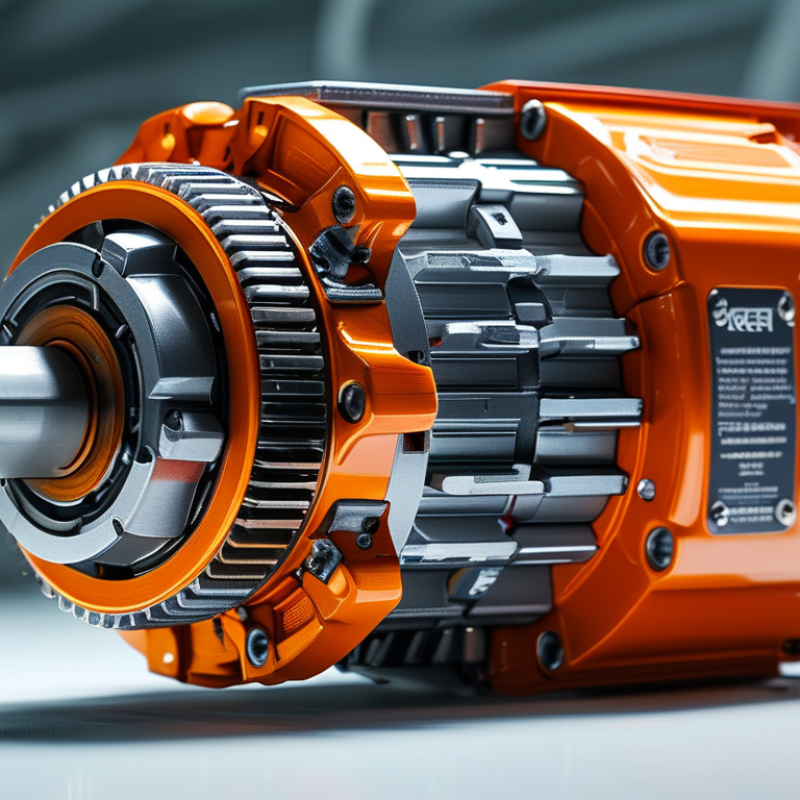
Understanding Planetary Gear Motor Basics and Applications
When selecting a planetary gear motor, understanding its basics and applications is crucial. Planetary gear motors consist of a central sun gear, planet gears, and a ring gear. This unique design allows for high torque and compact size, making them ideal for various applications. Their ability to provide precise motion control is especially valuable in robotics and automation.
In industrial settings, these motors are often used in conveyor systems and packaging machines. The efficiency and reliability of planetary gear motors contribute to reduced operational costs. However, they require careful selection based on your project requirements. Overlooking factors like load capacity and speed can lead to performance issues.
Additionally, consider the environment. Planetary gear motors may face adverse conditions, so proper housing and materials are essential. Reflection on your project's unique needs can guide better choices. Understanding these basics will enhance your decision-making process, ensuring optimal performance in your application.
Key Specifications to Consider: Torque, Speed, and Efficiency Ratings
Choosing the right planetary gear motor involves understanding key specifications like torque, speed, and efficiency ratings. Torque is vital as it determines the motor's ability to perform work. Higher torque means the motor can handle heavier loads. For instance, in applications requiring lifting or turning, sufficient torque is non-negotiable. Be mindful, though, that excessive torque may lead to inefficiency or overloading.
Speed is another crucial factor. It directly affects how quickly a task can be completed. Some applications need high speeds, while others require a more measured approach. It's essential to match the speed of the motor to the operational requirements of your project. Too fast can sometimes lead to wear and tear. Efficiency ratings reflect how effectively a motor converts electrical energy into mechanical energy. Lower efficiency means higher energy costs in the long run. Balancing these aspects is challenging but necessary for optimal performance.
While each specification is important, they often come with trade-offs. Prioritize your project's needs but remain open to adjustments. There’s no one-size-fits-all solution. Being equipped with in-depth knowledge helps in making informed decisions that align closely with specific requirements. Adjusting these specifications may be needed as project demands shift over time. Always keep questioning if your choice truly meets your performance and efficiency needs.
Evaluating Load Requirements: How to Match Gear Motors to Application Needs
When selecting a planetary gear motor, understanding load requirements is crucial. Each application has specific demands. The right gear motor must handle the load without strain. Overloading a motor can lead to failure, while underloading means wasted potential. Knowing the exact load your application requires helps narrow choices significantly.
Consider the type of load: is it constant, variable, or dynamic? Each scenario requires a different approach. For example, a constant load allows for a more straightforward selection process. In contrast, variable loads may need motors that can adjust performance. Many users overlook the importance of torque ratings in these situations. It's vital to ensure that the motor's torque aligns with the load's requirements.
While choosing, think about the environment too. Temperature, humidity, and vibration can affect performance. A motor that works well in a controlled setting may struggle in harsher conditions. This is an area where many manufacturers claim durability without thorough testing. Users should ask questions regarding environmental impact on performance. An informed choice involves recognizing these underlying factors.
Top 10 Tips for Choosing the Right Planetary Gear Motor
Assessing Manufacturer Reputation and Quality Standards in Gear Motors
Choosing the right planetary gear motor requires more than just understanding specifications. A vital aspect to consider is the manufacturer's reputation. Industry reports indicate that about 70% of top-performing motors originate from manufacturers with established quality standards. Companies that emphasize rigorous testing procedures and certifications tend to produce more reliable gear motors.
Quality standards, like ISO 9001, are indicators of a manufacturer's commitment to excellence. A study by the Gear Manufacturers Association found that units sourced from certified producers had a 30% lower failure rate over five years. However, this isn't the whole picture. Some lesser-known manufacturers may offer innovative designs at competitive prices, but data on their long-term reliability can be scarce.
User reviews can provide insights but may lack comprehensive metrics. It’s crucial to balance qualitative experiences with quantitative data. When evaluating options, consider asking potential suppliers about their quality control measures. Taking this approach fosters informed decision-making and better outcomes.
Exploring Cost-Benefit Analysis: Value vs. Performance in Gear Motor Selection
When selecting a planetary gear motor, conducting a thorough cost-benefit analysis is crucial. This strategy helps balance value and performance. Each application may have specific demands. Therefore, understanding these requirements is vital.
One important tip is to evaluate the efficiency ratings of different models. Higher efficiency often correlates with better performance. Additionally, consider the torque and speed requirements carefully. Select a motor that meets your operational needs without overspending on unnecessary features.
Another essential point is to review the manufacturer's reputation. Look for quality assurance and customer service to ensure reliability. Past customers can provide insights into performance and durability. Regularly revisiting your options may reveal new technologies or improvements that could be beneficial. Balancing your budget with performance specifications is a continuous process. Prioritizing the right features over flashy options can lead to better decisions.