What Are the Top 10 Portable Metal Tool Boxes for Buyers?

Choosing the right Portable Metal Tool Box is no longer a simple matter of comparing steel thickness. Buyers now weigh mobility, internal organization, corrosion resistance, safety, and long-term value. A box may look tough under bright warehouse lights, yet its hinges can loosen after months of vibration in a service van. Practical testing matters.

Grand View Research’s Hand Tools Market Size, Share & Trends Analysis Report, 2024–2030, estimates that the global hand tools market reached about USD 22 billion in 2023. The report also forecasts continued growth through 2030. This expansion reflects ongoing demand from construction, automotive repair, manufacturing, and home maintenance. Storage equipment follows that need. Fortune Business Insights’ Tool Storage Products Market research also identifies organization, portability, and durable materials as important purchasing factors.

The following guide examines ten leading portable metal tool boxes for different buyers and working conditions. It considers drawer movement, latch strength, handle comfort, usable capacity, weight, finish quality, and resistance to workshop dust. It also recognizes standards and professional expectations. ANSI and ISO guidance cannot guarantee that every toolbox will perform equally, but they encourage more disciplined product evaluation.

There is no perfect ranking. A compact box may suit an electrician, but frustrate an automotive technician with deep sockets. A large steel chest offers capacity, but its weight can become tiring on stairs. Buyers should inspect real measurements, not trust attractive product photographs. Small details matter, including rounded edges, removable trays, and lids that stay open without slamming. This comparison aims to make those details visible, while acknowledging that field experience can challenge any laboratory-style assessment.
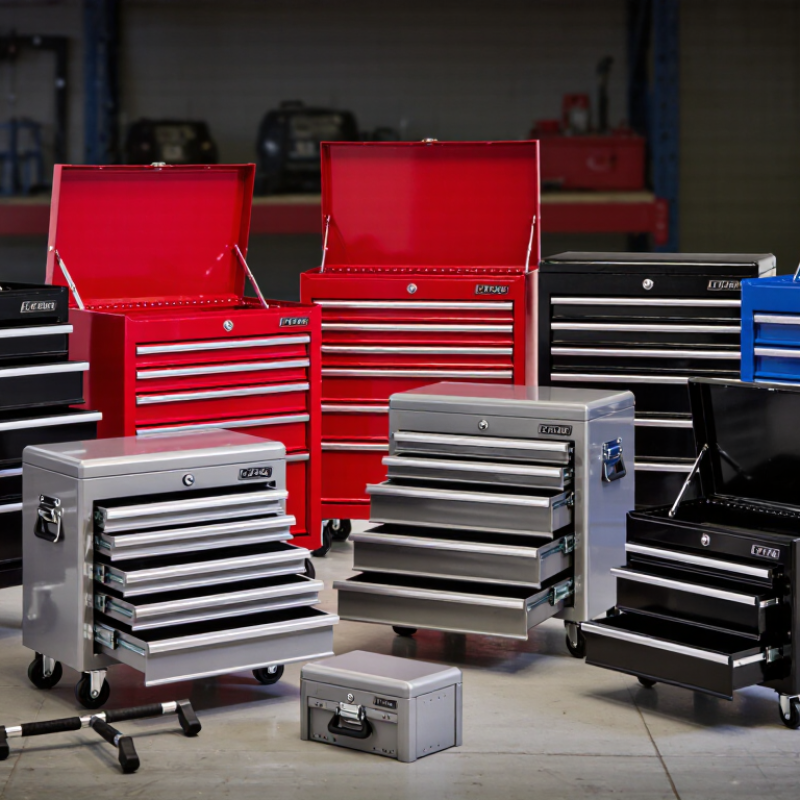
What Are the Top 10 Portable Metal Tool Boxes for Buyers?

What Is a Portable Metal Tool Box and Who Needs One?

A portable metal tool box is a rigid, carryable container for organizing hand tools, fasteners, and small repair supplies. It usually uses steel or aluminum, with a handle, latch, and removable tray. Unlike soft bags, metal walls resist crushing, punctures, and workshop heat.

According to the U.S. Bureau of Labor Statistics’ 2023 workplace report, private industry recorded about 2.6 million nonfatal injuries and illnesses. A tool box cannot prevent every accident, but organized storage can reduce loose tools, sharp edges, and unnecessary searching. OSHA’s housekeeping guidance also emphasizes keeping work areas orderly and accessible.

Who needs one? Electricians, mechanics, maintenance technicians, installers, and serious home repair users often benefit most. It fits beside a service vehicle, under a workbench, or near a machine. Choose a model with balanced weight, smooth hinges, secure latches, and a stated load capacity. Steel offers strength, while aluminum is easier to carry and resists corrosion.

I have noticed one practical problem: buyers often measure the box, but forget the handle clearance. That mistake can make storage awkward. Small drawers also look useful, yet they may reduce space for larger tools. A portable metal tool box is valuable when mobility, protection, and quick access matter more than maximum capacity. It is not perfect. Heavy-duty construction can become tiring after a long shift.

What Are the Top 10 Portable Metal Tool Boxes for Buyers? What Is a Portable Metal Tool Box and Who Needs One?
Rank Portable Metal Tool Box Type Best Suited For Typical Construction Approx. Exterior Size
(L × W × H)
Empty Weight Working Load Drawers Key Features Portability
1 Compact Cantilever Steel Tool Box Home maintenance and basic repairs Powder-coated steel body with a metal handle 20 × 8 × 9 in
(51 × 20 × 23 cm)
8–12 lb
(3.6–5.4 kg)
35–50 lb
(16–23 kg)
2–3 trays Tiered opening, removable tray, padlock hasp, compact footprint Very high
2 Two-Drawer Steel Tool Chest DIY users and garage organization Cold-rolled steel with painted or powder-coated finish 20 × 10 × 12 in
(51 × 25 × 30 cm)
18–25 lb
(8.2–11.3 kg)
60–90 lb
(27–41 kg)
2 drawers Full-width top compartment, ball-bearing or friction slides, locking lid High
3 Portable Three-Drawer Metal Chest Mechanics carrying hand tools and sockets Steel panels with reinforced corners and steel drawers 22 × 11 × 13 in
(56 × 28 × 33 cm)
22–30 lb
(10–13.6 kg)
75–110 lb
(34–50 kg)
3 drawers Separate drawer storage, lift-out tray, central locking mechanism High
4 Deep-Lid Steel Tool Box Power-tool accessories and bulky hand tools Heavy-gauge steel with a reinforced lid and base 24 × 10 × 11 in
(61 × 25 × 28 cm)
14–20 lb
(6.4–9.1 kg)
50–75 lb
(23–34 kg)
1 removable tray Deep storage cavity, removable organizer tray, wide carrying handle High
5 Rolling Metal Tool Case Job-site technicians and mobile contractors Steel case with reinforced polymer wheels and telescoping handle 18 × 14 × 24 in
(46 × 36 × 61 cm)
28–38 lb
(12.7–17.2 kg)
100–150 lb
(45–68 kg)
2–4 drawers Wheels, extendable handle, multiple compartments, lockable lid Medium-high
6 Steel Tool Box with Removable Tote Tray Automotive service and field repairs Powder-coated steel with a galvanized or painted inner tray 23 × 10 × 11 in
(58 × 25 × 28 cm)
15–22 lb
(6.8–10 kg)
55–85 lb
(25–39 kg)
1 tray Lift-out tray, deep lower compartment, corrosion-resistant hardware High
7 Stackable Modular Metal Tool Case Users who need expandable storage Steel frame and panels with reinforced stacking points 18 × 12 × 10 in
(46 × 30 × 25 cm) per case
16–24 lb
(7.3–10.9 kg)
50–80 lb
(23–36 kg)
0–2 drawers Stackable design, interlocking clips, detachable sections, lockable closures High
8 Heavy-Duty Industrial Steel Tool Chest Professional workshops and maintenance teams Thick-gauge steel with reinforced lid, base, and corners 26 × 12 × 14 in
(66 × 30 × 36 cm)
30–45 lb
(13.6–20.4 kg)
120–200 lb
(54–91 kg)
3–5 drawers High load rating, reinforced hinges, drawer liners, security lock Medium
9 Water-Resistant Portable Steel Box Outdoor service and occasional transport Sealed steel body with protective coating and gasketed lid 19 × 9 × 10 in
(48 × 23 × 25 cm)
12–18 lb
(5.4–8.2 kg)
40–65 lb
(18–30 kg)
0–1 tray Lid gasket, rust-resistant finish, secure latches, compact carrying profile High
10 Slim Portable Metal Tool Organizer Electrical, plumbing, and light-duty service work Light-gauge steel with internal dividers and metal latch 17 × 7 × 8 in
(43 × 18 × 20 cm)
6–10 lb
(2.7–4.5 kg)
25–40 lb
(11–18 kg)
0 Slim profile, removable dividers, easy-grip handle, fast-access lid Very high
Buyer note: A portable metal tool box is a steel storage case designed to organize, protect, and transport hand tools. Actual dimensions, weight, load ratings, drawer counts, and weather resistance vary by manufacturer and model; confirm the product specification before purchase.

Which Features Matter Most When Comparing Portable Tool Boxes?

When comparing the top ten portable metal tool boxes, start with load behavior, not appearance.

A thick shell means little if hinges flex under weight. Check steel gauge, corner reinforcement, lid alignment, and weld consistency. The box should open smoothly on uneven ground. It should not pinch fingers.

OSHA’s materials-handling guidance stresses secure storage and protection from falling objects, making positive latches and stable placement practical safety features. Source: OSHA, 29 CFR 1926.250.

Capacity needs measurement.

Compare usable interior volume, tray clearance, drawer travel, and handle balance. A deep box may swallow a drill, yet bury small sockets. Removable trays help, but loose trays can rattle during transport. Look for corrosion-resistant coating, drainage paths, replaceable feet, and a handle rated for the loaded weight.

The U.S. Bureau of Labor Statistics recorded 2,569,000 nonfatal workplace injuries and illnesses in private industry during 2023. That figure does not prove tool boxes caused injuries, but it supports careful handling and organized storage.

Security and portability deserve equal attention.

A hasp should resist casual opening, while lock placement should remain accessible with gloves. Test the wheels, if included, across thresholds and gravel. Small wheels disappoint quickly. In my view, a lighter empty box is not automatically better; a balanced steel box may carry more safely. Still, manufacturers’ load claims can be difficult to compare because testing methods vary. Read the technical sheet, inspect sample welds, and allow room for future tools. Buy the feature you can verify.

The Top 10 Portable Metal Tool Boxes for Different Work Needs

What Are the Top 10 Portable Metal Tool Boxes for Buyers?

The best portable metal tool box depends on the work, not appearance. After carrying boxes through workshops and job sites, I value strong hinges, balanced handles, and drawers that do not jam. Weight matters. A compact single-compartment box suits home repairs and basic hand tools. A two-tier box works well for electricians carrying testers, cutters, and insulated screwdrivers. A deep-lid box fits plumbers who need pipe wrenches and sealants. A shallow organizer helps technicians separate small fasteners and connectors. A lockable steel box offers better control in shared workshops, although its added weight can become tiring.

For mobile mechanics, a reinforced box with removable trays keeps sockets, ratchets, and extensions visible. A corrosion-resistant box suits outdoor maintenance, especially where moisture reaches unfinished steel. A wide cantilever box gives painters and installers quick access to several tool layers. It is useful, but the moving joints need regular inspection. A compact box with a padded handle benefits bicycle repairers and facility staff who travel between rooms. A rolling metal box serves heavier equipment, though it is less practical on stairs or uneven ground.

Check the load rating before buying. Thin sheet metal may bend under dense tools. Look for smooth drawer travel, secure latches, and rounded edges. Measure the storage area twice. I once chose a box that fit the tools but not the vehicle compartment. That mistake was avoidable. Ventilation is rarely discussed, yet damp tools should not remain sealed for days. A durable finish helps, but careful drying still matters.

How Do the Best Models Compare in Size, Storage, and Durability?

Among the top ten portable metal tool boxes, size differences become obvious during real workshop use. Compact models fit easily beneath a vehicle seat, but they often sacrifice drawer depth. Medium boxes usually offer 18 to 24 inches of internal width, enough for wrenches, pliers, and a compact drill. Larger cases provide better capacity, yet their weight becomes tiring on stairs. My practical preference is a box with a reinforced handle and balanced center of gravity. A box that looks spacious can still waste room through thick walls or poorly placed dividers.

Storage design separates the stronger candidates. Removable trays keep small sockets visible, while deep compartments handle gloves, fasteners, and measuring tools. Smooth drawers are useful, but loose slides can fail under heavy loads. Check the latch alignment. It should close without force. Durability also depends on steel thickness, hinge construction, coating quality, and resistance to rain or workshop humidity. Stainless hardware helps, though it does not make a box waterproof. I have found that rubber seals may flatten sooner than expected. That detail is easy to miss. A modest box with solid hinges often outlasts a larger model with impressive features. My ranking is not absolute, because daily transport, tool weight, and storage conditions change the result. Measure your available space carefully before choosing capacity.

How to Choose the Right Portable Metal Tool Box for Your Budget

When comparing ten portable metal tool boxes, start with your daily work, not the advertised accessory count. A compact box suits home repairs and light electrical maintenance. A deeper model works better for drills, sockets, and long-handled pliers. Measure your storage shelf first. It sounds obvious, but many buyers forget this detail.

Budget choices should be judged by construction quality. Look for rigid steel panels, smooth hinges, and latches that close without force. A reinforced handle matters when the box carries several kilograms of tools. Removable trays can improve access, but thin trays may bend under metal sockets. Check the internal dimensions, not only the outside size. Capacity claims can feel generous.

Weight matters too. An empty steel box may already feel heavy before tools are added. For occasional use, a lighter model with one secure latch may offer better value. For daily workshop use, stronger seams and a powder-coated surface can justify a higher price. Inspect corners for sharp edges and gaps. Small flaws often become annoying during real use. I would also compare replacement keys, hinge strength, and warranty terms before purchasing. These details are easy to ignore. That can be a mistake. My own preference has changed after carrying an overloaded box across a worksite; a comfortable handle became more important than an extra compartment. Leave room for future tools, because a box that fits perfectly today may become cramped within months.

What Are the Top 10 Portable Metal Tool Boxes for Buyers?

Typical market price comparison by portable metal tool box configuration

Prices are indicative USD retail ranges for unbranded or generic metal tool box configurations commonly sold through hardware and online marketplaces. Compact single-tray models usually suit light household tasks, while multi-drawer and rolling designs offer more storage but require a larger budget. Choose based on capacity, empty weight, locking features, corrosion resistance, and portability—not price alone.

Build your system. Protect your boat. Join the movement.

Compare Products
Talk to Sales