Top Agricultural Bearings for Optimal Crop Production?
In the realm of agriculture, equipment reliability plays a crucial role. Andrew Mitchell, a leading expert in Agricultural Bearings, emphasizes the importance of these components. He once stated, "Quality bearings can directly influence crop yields and machinery efficiency."
Agricultural Bearings are vital for various farming machinery. These bearings reduce friction and enhance the lifespan of equipment. Their proper selection and maintenance can lead to smoother operations in the field. Farmers often overlook the role of bearings, which can lead to costly downtime.
Innovations in this sector reveal that choosing the right Agricultural Bearings can optimize crop production. Yet, many still face challenges in understanding their significance. It's essential to not only consider their cost but also their impact on overall productivity. Balancing investment and benefits can be tough. However, keeping these factors in mind will lead to better farming outcomes.
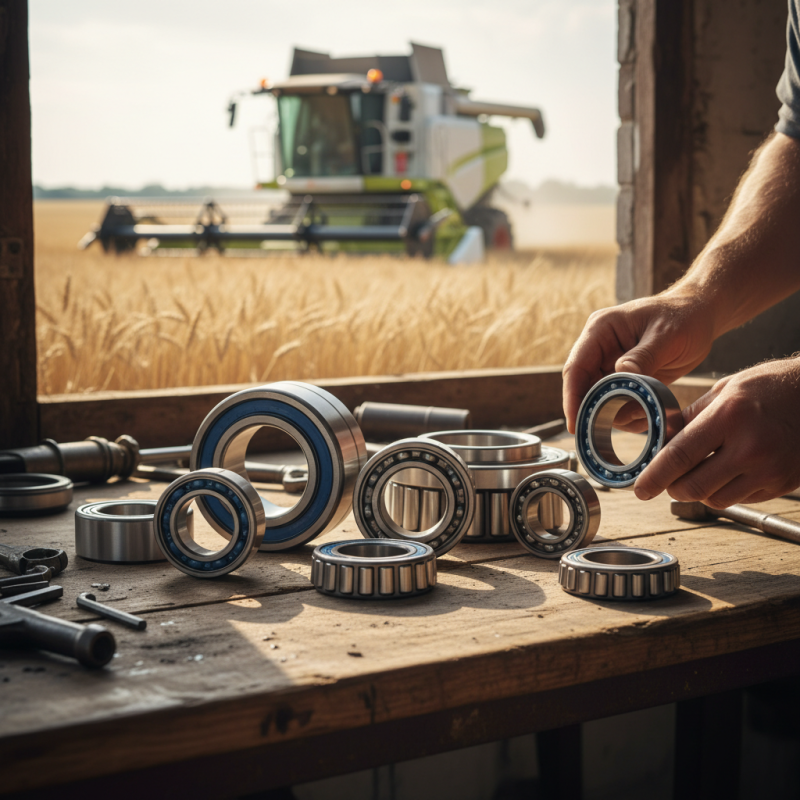
Top Agricultural Bearings for Optimal Crop Production
When it comes to optimal crop production, the role of agricultural bearings is crucial. These components facilitate machinery operation, thereby enhancing efficiency on farms. Precision in agriculture relies on machines, and reliable bearings ensure seamless performance. They endure heavy loads and harsh environmental conditions. Understanding the types and materials for these bearings is essential for farmers.
Different bearing types serve distinct roles in agricultural equipment. Roller bearings and ball bearings are common choices. Roller bearings handle radial loads effectively while ball bearings offer versatility. It's vital to select the right type based on the machinery’s function. Farmers often overlook the maintenance of these components, leading to potential failures. Routine checks can prevent costly downtime.
Material selection also impacts bearing performance. Stainless steel and polymer options are popular due to their corrosion resistance. However, each material has its pros and cons. Farmers may find themselves wondering which fits their specific needs better. Evaluating performance under various conditions can be enlightening. Investing time in understanding and selecting the right agricultural bearings can significantly uplift crop yield.
Understanding the Role of Bearings in Agricultural Machinery
Bearings play a crucial role in the efficiency of agricultural machinery. These small components are essential for ensuring smooth operations in tractors, tillers, and harvesters. Properly functioning bearings reduce friction, which is vital during long hours of heavy-duty work in the fields. When bearings wear down, they can lead to increased energy consumption and costly downtime.
Farmers often overlook the impact of bearings on productivity. Many focus on larger parts of the machinery. However, an unnoticed issue with bearings can cause significant losses. Machinery that operates inefficiently can impede crop production. This situation warrants attention, as timely maintenance can save both time and resources.
Choosing the right bearings entails understanding the specific needs of the machinery used. Not all bearings are created equal. Factors like load weight, speed, and environmental conditions must be considered. The wrong choice can lead to premature failure. Hence, it is imperative to seek expert advice when making decisions about bearings. This reflection can improve farming operations and ultimately enhance yield.
Types of Bearings Commonly Used in Farming Equipment
Farming equipment heavily relies on various types of bearings. These components ensure smooth operation of machinery, such as tractors and harvesters. Some common types are deep groove ball bearings, tapered roller bearings, and angular contact bearings. Each serves a crucial role in maintaining efficiency and longevity of agricultural tools.
Deep groove ball bearings are often used in wheel applications. They support radial and axial loads well, allowing equipment to function under heavy stress. Tapered roller bearings are ideal for equipment that requires strong support during operation. They accommodate both axial and radial loads, which is vital for operating efficiency. Angular contact bearings provide high levels of precision and rigidity, essential for components that need tight tolerances.
Choosing the right bearing type can enhance productivity. However, farmers must consider factors such as load conditions and environmental influences. In some cases, equipment may wear out quickly due to unsuitable bearings. Recognizing the right choice is not always straightforward. Regular maintenance and checks can prevent unexpected breakdowns. Farmers can benefit from expert advice in selecting bearing types tailored to their specific needs.
Factors Influencing Bearing Selection for Crop Production
Selecting the right bearings is crucial for enhancing crop production. Bearings are essential in agricultural machinery, affecting the efficiency of operations. Several factors influence the choice of bearings. Load capacity, speed, and environmental conditions are key considerations.
Choosing bearings that can withstand dust, dirt, and moisture is important. Farmers often overlook the impact of rotational speed on bearing life. It is vital to match the bearing type with the specific operating conditions. For example, if machines operate at high speeds, experts recommend checking the lubrication method.
Tips: Regular maintenance can extend bearing life. Don't ignore early signs of wear and tear. A visual inspection can help catch problems before they escalate. Choosing the right greasing intervals often improves overall machinery performance. Listen carefully to unusual noises; they can be indicators of bearing issues.
Top Agricultural Bearings for Optimal Crop Production
| Bearing Type | Load Capacity (kg) | Speed Rating (RPM) | Material | Application |
| Deep Grove Ball Bearing | 1200 | 3000 | Chrome Steel | Agricultural Machinery |
| Tapered Roller Bearing | 1500 | 2500 | Steel | Harvesters |
| Spherical Bearing | 1000 | 2000 | Polymer | Seeders |
| Needle Bearing | 800 | 4000 | Stainless Steel | Cultivators |
| angular Contact Ball Bearing | 1100 | 3500 | Ceramic | Tractors |
Maintenance Tips for Enhancing Bearing Longevity in Agriculture
Agricultural machinery relies heavily on bearings to function efficiently. Proper maintenance of these components is crucial for enhancing their longevity and ensuring optimal crop production. Neglecting bearings can lead to costly downtimes and reduced productivity.
One important tip is to regularly inspect bearings for signs of wear or damage. Look for rust or unusual noises during operation. Early detection can prevent serious failures. Keeping machinery clean is essential. Dirt and debris can cause bearing malfunctions. Regular cleaning helps maintain proper function.
Lubrication is another key factor. The right type and amount of lubricant reduces friction and wear. Ensure you follow guidelines for the correct lubricant application. However, over-lubrication can also lead to issues, creating excess heat. Pay attention to operating conditions and adjust maintenance routines as needed. Flexibility here is vital to adapt to changing agricultural demands.
Conclusion
Agricultural Bearings play a crucial role in the functionality and efficiency of farming equipment, significantly impacting crop production. Understanding the different types of bearings commonly used in agricultural machinery is essential for maximizing performance. Factors such as load capacity, environmental conditions, and equipment design influence the selection of the appropriate bearings for specific farming applications.
Moreover, regular maintenance practices can enhance the longevity of Agricultural Bearings, ensuring optimal machinery performance. Recent innovations in bearing technology continue to improve their durability and functionality, leading to increased efficiency in agricultural operations. By staying informed about these advancements, farmers can make more informed decisions that benefit their crop production efforts.