Top Alkaline Water Hydrogen Production Equipment Suppliers
Alkaline Water Hydrogen Production Equipment is central to many projects seeking dependable hydrogen from water electrolysis. The process uses an alkaline electrolyte and an electrolysis stack to separate hydrogen and oxygen. Yet the stack is only part of the system. Pumps, separators, power controls, cooling, gas treatment, and safety monitoring also affect daily operation. Small details count. A poorly matched component can complicate maintenance or limit output, even when the equipment looks impressive on paper.
This guide introduces leading supplier considerations rather than treating any single brand as right for every site. Compare stated hydrogen capacity, energy consumption, operating pressure, gas purity, materials, service access, and documented performance under relevant conditions. Ask suppliers for technical datasheets, project references, commissioning plans, spare-parts availability, and clear explanations of system boundaries. Check whether quoted performance includes the full balance of plant or only the electrolyzer stack. That distinction matters. Buyers should also consider local support and the skills available to operate and maintain the installation. No shortlist is perfect; supplier claims still need careful verification. A detailed review can reveal trade-offs between purchase cost, efficiency, reliability, and serviceability. The best choice is usually the one that fits the project’s operating profile and can be supported over time.
Understanding Alkaline Water Hydrogen Production Equipment
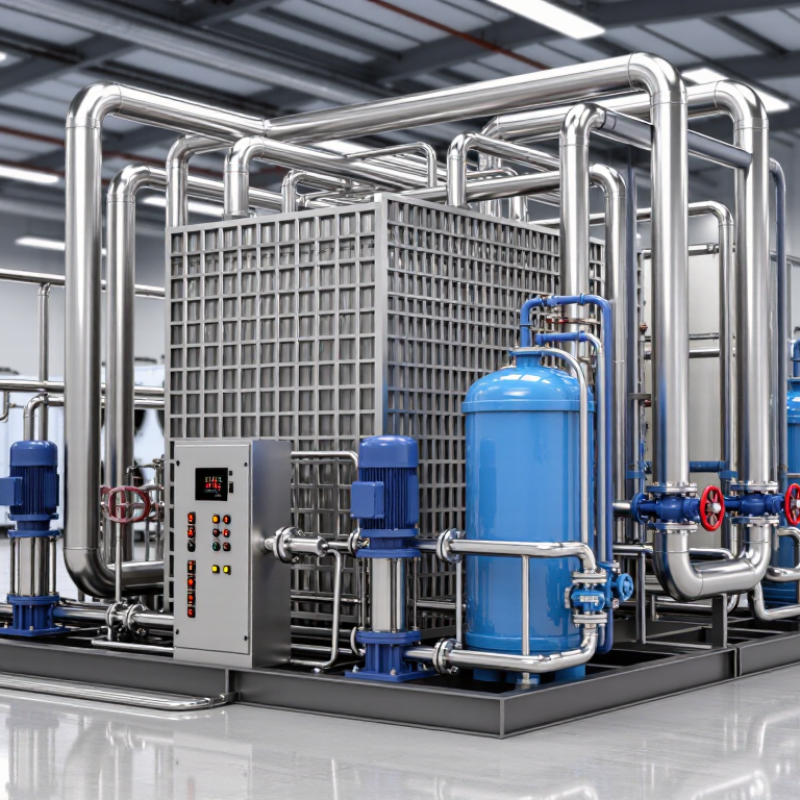
Alkaline water hydrogen production equipment uses electricity to split water into hydrogen and oxygen. Its main parts usually include an electrolyzer stack, a power supply, water circulation components, and gas separation equipment. Inside the stack, alkaline electrolyte carries ions between electrodes. Hydrogen forms at one electrode, while oxygen forms at the other. The system’s output depends on factors such as operating current, temperature, water quality, and stack condition.
Equipment selection should match the required hydrogen flow, purity, and operating schedule. Check how the supplier describes performance, maintenance intervals, and monitoring functions. Clear documentation matters. A system may look compact on a datasheet, yet still need space for water treatment, cooling, ventilation, and service access. This is easy to underestimate. Ask how the equipment handles leaks, pressure changes, and shutdowns, and request test data that reflects the intended operating conditions. Specifications alone do not tell the whole story.
Tips: Confirm feed-water requirements before installation. Keep a maintenance log for filters, seals, and electrolyte checks. Compare measured output with rated output over time. Small changes can be useful clues, though they do not always point to one cause.
Top Alkaline Water Hydrogen Production Equipment Suppliers — Understanding Alkaline Water Hydrogen Production Equipment
How to read this: The theoretical net reaction requires about 9 kg of water to produce 1 kg of hydrogen and yields about 8 kg of oxygen as a coproduct. Actual equipment water use can be higher due to purification, cooling, and other operating needs.
Key Technologies and System Components
Alkaline water hydrogen production depends on how well its components work together. Inside the stack, nickel-based electrodes drive the reaction, while a porous diaphragm separates hydrogen and oxygen. A circulating potassium hydroxide solution carries ions and heat. Pumps, gas-liquid separators, cooling equipment, and a rectifier complete the core system. Small leaks or unstable flow can affect gas purity and operating efficiency.
Real operation is messier. The International Energy Agency’s Global Hydrogen Review 2024 reports about 1.4 GW of installed water-electrolysis capacity worldwide in 2023. Announced projects could exceed 520 GW by 2030, yet only about 4% of announced capacity had reached final investment decision or construction. That gap makes proven operating data more useful than headline capacity claims. Ask suppliers for measured power consumption, hydrogen purity, stack pressure, and performance under changing loads.
Water treatment deserves close attention. Mineral carryover can foul the stack, so check feed-water specifications and filtration stages. Also inspect how controls respond to temperature changes and shutdowns. A glossy system diagram may hide maintenance needs. Request component-level service intervals and clarify which readings are independently verified. One question often remains: how will the equipment perform after years of cycling?
Criteria for Evaluating Equipment Suppliers
When evaluating alkaline water hydrogen production equipment suppliers, compare verified performance rather than headline claims. Ask for hydrogen concentration, water output, and energy use under clearly stated operating conditions. A figure without its test method is hard to judge. Numbers need context.
Request test records for the exact equipment configuration you plan to buy. Check whether measurements were taken continuously or only during a short demonstration. Ask what water quality the system requires, and how often filters or other consumable parts need replacement. These details affect operating costs and daily reliability. A polished brochure can still leave gaps; that deserves a closer look.
Assess construction and support, too. Ask for material specifications for wetted parts, maintenance intervals, and written troubleshooting steps. Confirm who handles installation, operator training, and service calls, and how quickly common replacement parts can be supplied. If possible, inspect a working unit and watch it start up, run, and shut down. Service matters. A supplier’s clear, specific answers are useful evidence, though they cannot guarantee trouble-free operation. Keep the questions, responses, and test conditions on file for a fair comparison.
Leading Supplier Types and Their Strengths
Alkaline hydrogen equipment suppliers typically fall into three groups: stack manufacturers, turnkey engineering integrators, and specialist component suppliers. Stack manufacturers focus on cell design, electrodes, separators, and operating life. Integrators combine stacks with power conversion, water treatment, cooling, and controls. Component suppliers provide items such as pumps and gas separators, often giving buyers more flexibility in maintenance.
IRENA’s 2020 report, Green Hydrogen Cost Reduction, places alkaline electrolyser system costs at roughly USD 500–1,000 per kilowatt. That range makes a low purchase price tempting, but it does not show service costs or output stability.
Each supplier type has a different strength. A stack-focused supplier may offer deeper technical support, while an integrator can simplify installation and commissioning. Specialist suppliers can help replace worn components without changing the full system.
The IEA’s Global Hydrogen Review 2024 reports about 1.4 GW of installed global electrolysis capacity at the end of 2023. That market is still young. Buyers should ask for verifiable operating data, warranty limits, spare-part lead times, and performance under local water and power conditions.
Small details matter.
One imperfect point in many comparisons: quoted efficiency figures may use different measurement boundaries, so they are not always directly comparable.
Comparing Suppliers for Project Requirements
Selecting an alkaline water hydrogen production equipment supplier starts with the project’s actual operating profile. Define hydrogen output, required purity, operating pressure, and expected daily run time before comparing quotations. A system sized for steady production may perform poorly with frequent load changes. Details matter. Ask suppliers to show how their proposed stack, power supply, and gas-liquid separation equipment match those conditions.
Compare energy consumption using the same measurement basis, such as kilowatt-hours per kilogram of hydrogen, and request the operating assumptions behind each figure. Check feedwater specifications, cooling needs, footprint, and utility connections against the site layout. A low equipment price can conceal costs for pretreatment, installation, or replacement parts. It is worth asking for a clear scope list. Some proposals are less complete than they appear.
Service capability deserves equal attention. Ask who handles commissioning, what routine inspections involve, and how quickly common stack components can be supplied. Request references from projects with similar capacity and duty cycles, then ask about actual uptime and maintenance experience. Those figures may be imperfect or difficult to compare, but they reveal useful questions. Review control-system access, safety documentation, training, warranty limits, and spare-parts availability before making a decision.