China Top Flour PP Woven Bag Suppliers for Global Buyers
Flour Pp Woven Bag sourcing is becoming more technical as mills demand cleaner handling, stronger stacking, and dependable export performance. The Food and Agriculture Organization reports that approximately 14% of food is lost between harvest and retail. Packaging cannot solve every loss, but a better bag can reduce leakage, moisture exposure, and transport damage.
Small details matter.
A 25-kilogram bag may pass through filling lines, warehouses, trucks, and retail shelves before reaching a kitchen. Its woven polypropylene fabric must resist tearing, while the inner liner should limit flour dust and humidity transfer. Buyers should request seam-strength results, fabric GSM, drop-test records, food-contact declarations, and batch traceability. Supplier audits also deserve attention. Attractive photographs are not evidence.
Packaging expert Walter Soroka defines packaging as “a coordinated system of preparing goods for transport, distribution, storage, retailing, and end-use.” That principle fits the Flour Pp Woven Bag market precisely. The bag is not only a printed surface. It is part of a controlled supply chain.
Smithers’ global packaging outlook highlights continued pressure for efficiency, lightweighting, and measurable sustainability. Meanwhile, FAO guidance emphasizes hygienic storage and loss prevention across food systems. Chinese manufacturers increasingly support these needs through automated weaving, flexographic printing, laminated structures, and customized valve or open-mouth designs.
Still, supplier claims require careful reflection. A recyclable polypropylene bag is not automatically sustainable without collection and recycling access. This article compares leading Chinese suppliers through material quality, production experience, certifications, customization, export reliability, and total landed cost. Reliable sourcing begins with verified samples, not promises.
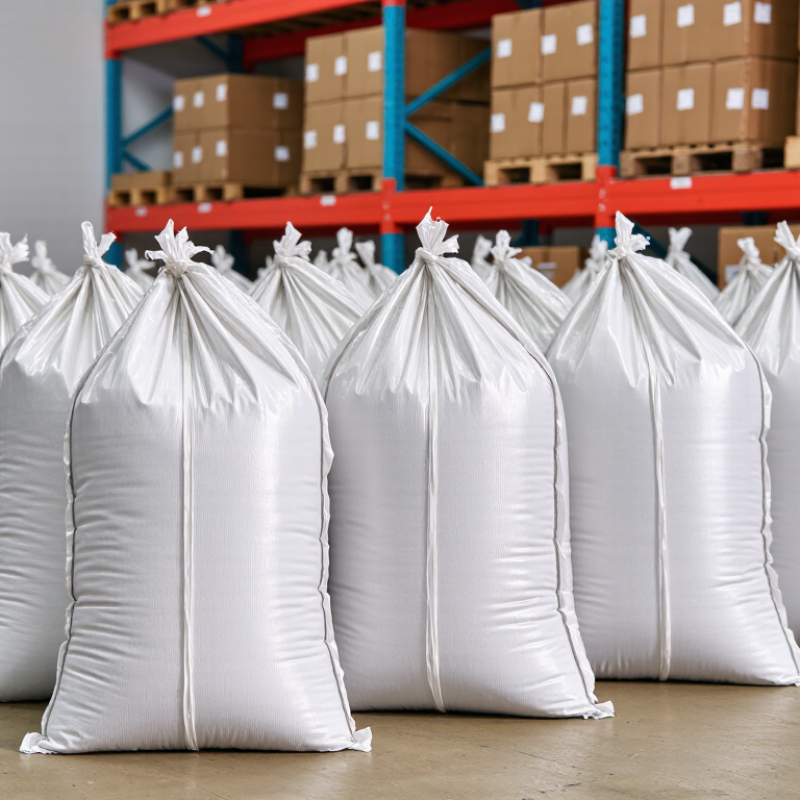
Flour PP woven bags come in several practical forms. Unlaminated bags suit dry, short-distance distribution where ventilation matters. Laminated bags add a moisture barrier and protect fine flour from dust. Bags with an inner liner offer stronger protection during long storage. Open-mouth designs support fast filling, while valve bags provide cleaner, more controlled packing. Gusseted sides help the bag stand upright on pallets.
Different flour applications require different constructions. Small retail packs may use printed, laminated bags with smooth surfaces and clear weight markings. Commercial bakeries often need larger 25 kg or 50 kg bags with reinforced stitching. Mills and wholesalers may prefer plain bags, because lower printing needs can reduce cost. Animal-feed flour blends require separate material control and labeling. The same bag should not be selected for every product.
A reliable specification should cover fabric density, bag size, seam strength, liner thickness, and filling method. Food-contact documentation and migration testing are important for edible flour packaging. Drop tests can reveal weak corners before shipment. I have seen no physical sample here, so exact performance still needs independent testing. A bag may pass a strength test yet fail in a humid warehouse. Storage conditions matter. Keep filled bags on clean pallets, away from walls and standing water. Ink adhesion also deserves attention, especially when bags face friction during loading.
Flour packaging bags need balanced specifications, not simply the highest material weight. PP woven fabric commonly ranges from 60 to 100 GSM, depending on filling weight and transport conditions. A 25 kg bag may use different construction from a 50 kg bag. Confirm the finished dimensions, gusset size, and filling opening before production. Small errors can affect stacking stability.
Lamination improves moisture resistance and protects printed information. For flour, a PE liner can provide an additional barrier against humidity and powder leakage. Check the liner thickness, sealing quality, and compatibility with automatic filling equipment. A strong bottom seam matters during lifting. Clear flexographic printing should remain readable after handling, but excessive ink coverage may affect surface bonding. That detail is easy to overlook.
Tips: Request a physical sample and test it with real flour. Check drop resistance, seam strength, load-bearing capacity, and pallet stacking performance. Ask for material composition and batch inspection records. A higher GSM is not automatically better; it can increase cost and reduce packing efficiency. I have seen specifications copied from old projects, which caused avoidable fitting problems. Review every measurement again.
China’s leading PP woven bag suppliers protect quality through controlled production, not attractive samples alone. Experienced teams verify polypropylene resin documents before extrusion begins. They monitor tape width, denier, fabric density, and tensile strength during weaving. A small variation can affect stacking performance in warehouses. Quality inspectors also check seam strength, lamination coverage, handle attachment, and print clarity. These details matter when bags carry heavy agricultural, industrial, or food-grade materials.
Tips: Request a pre-production sample and approve exact specifications in writing. Ask for GSM, bag dimensions, loading capacity, and acceptable tolerances. Independent testing can confirm strength, drop resistance, and material safety. Visit the factory when possible, or use a qualified third-party inspection service. Keep batch numbers and inspection photos for traceability.
Reliable suppliers usually combine incoming-material checks, in-process inspections, and final random sampling. They should provide testing records instead of making vague promises. A professional supplier will explain what happens when results fail. Rework, segregation, and documented corrective action show practical quality management. No factory is perfect. Even careful production can miss a weak seam or uneven coating. That is why repeated inspections remain necessary. Buyers should also test bags in real conditions, including filling, stacking, transport vibration, and storage humidity. Clear communication helps both sides adjust designs before mass production.
China Top Flour PP Woven Bag Suppliers for Global Buyers
Factors for Comparing Chinese Flour Bag Manufacturers
Global flour demand makes bag quality a practical purchasing issue. FAO’s Food Outlook, published in November 2024, estimated 2024 wheat production at about 789 million tonnes. That volume requires packaging that survives filling, stacking, transport, and humid storage. Buyers should compare fabric weight, tensile strength, seam construction, lamination, and liner fit. Test the seam. It often fails first.
Manufacturers should provide batch-based inspection records, not only attractive samples. Ask for test results covering drop resistance, seal strength, dimensional tolerance, and moisture protection. Food-contact declarations should match the destination market, such as EU Regulation 10/2011 or relevant US food-contact requirements. ISO 9001 certification can support process control, but it does not prove every bag is suitable for flour. Independent laboratory reports matter more.
Cost comparison needs several variables. Request the same specification, including bag size, GSM, printing colors, liner material, packaging method, and delivery terms. Smithers’ flexible packaging forecasts continue to identify food packaging as a major demand segment, increasing pressure on material efficiency and recycling decisions. However, “recyclable” claims need evidence about structure and local collection systems. A cheaper bag may reduce purchase cost but increase torn sacks, flour loss, and rejected shipments. I have seen specifications remain vague. That is a warning. A supplier’s response to failed samples also reveals experience: clear corrective actions build trust, while excuses do not.
| Comparison Factor | Entry-Level Flour Bag | Standard Export Flour Bag | Heavy-Duty Flour Bag | Key Point for Global Buyers |
|---|---|---|---|---|
| Typical Filling Capacity | 5–10 kg | 20–25 kg | 40–50 kg | Confirm the net weight, product density, and filling method before approving the bag size. |
| Main Material | Polypropylene woven fabric | Virgin PP woven fabric | Higher-strength virgin PP woven fabric | For direct food-contact packaging, request food-contact declarations and applicable compliance documents. |
| Fabric Weight | 55–70 g/m² | 70–90 g/m² | 90–120 g/m² | Higher GSM generally improves strength, but it also increases bag weight and material cost. |
| Common Bag Construction | Single-layer woven PP | Woven PP with sewn or heat-cut edges | Woven PP with reinforced seams and optional liner | Check seam density, edge finishing, bottom construction, and resistance to flour leakage. |
| Lamination | Optional | Usually BOPP or PP film lamination when moisture and print protection are required | Laminated fabric with optional inner PE liner | Lamination improves moisture and surface protection but does not make the package fully waterproof. |
| Closure Options | Single stitched top | Sewn top, heat-sealed top, or pinch-top closure | Double stitching, valve closure, or sewn-and-taped closure | Select the closure according to filling equipment, required resealing, and leakage-control needs. |
| Printing Capability | 1–2 color flexographic printing | Up to 4–6 color flexographic printing | Multicolor flexographic or BOPP rotogravure printing | Approve a physical color proof and verify print adhesion, registration, and barcode readability. |
| Dimensional Tolerance | Typically ±1–2 cm, subject to specification | Typically ±1–2 cm, subject to specification | Typically ±1–2 cm, subject to specification | Place the finished dimensions, tolerance, and packed-bag shape in the approved technical drawing. |
| Moisture Protection | Basic protection from woven fabric | Improved protection with lamination | Lamination plus optional PE liner for demanding logistics | Use pallet wrapping, dry storage, and container moisture controls in addition to bag selection. |
| Strength Verification | Tensile and seam checks | Tensile, seam, drop, and load checks | Tensile, seam, drop, stacking, and filled-bag handling checks | Request test methods, sample results, and acceptance criteria rather than relying only on stated GSM. |
| Common Quality Documents | Material specification and inspection report | Material specification, inspection report, and packing details | Full quality plan, batch traceability, test reports, and inspection records | Document requirements vary by destination, food-contact use, and buyer quality system. |
| Typical Production Lead Time | About 10–20 working days after artwork approval | About 15–30 working days after artwork and specifications are approved | About 20–35 working days for reinforced or multi-component construction | Lead time depends on order quantity, printing cylinders, raw-material availability, and inspection requirements. |
| Order Quantity Considerations | Lower quantities may be possible for plain bags | Custom printing commonly requires a higher minimum order | Reinforced designs and special liners may require higher production quantities | Confirm minimum order quantity, setup charges, cylinder charges, and the cost of unused printed material. |
| Packaging and Shipment | Compressed bundles with woven or plastic outer wrapping | Export bundles on pallets or in container-ready packs | Palletized or reinforced bundles with moisture protection | Confirm bundle quantity, pallet dimensions, gross weight, container loading plan, and shipping marks. |
| Best Use Case | Retail flour, small packs, and short-distance distribution | Routine export shipments and general flour distribution | Bulk handling, warehouse stacking, and longer or more demanding logistics | Choose the lowest specification that safely meets filling, transport, storage, and regulatory requirements. |
For global buyers, flour PP woven bags must meet both product and export requirements. Select food-grade polypropylene resin with traceable production records. Ask for a declaration of compliance and migration test reports. Requirements differ by destination market. Confirm them before production.
Define the bag size, weight, stitching style, liner, printing, and moisture protection in writing. A practical specification may include 25 kg capacity, a sealed inner liner, and strong heat-cut edges. Request samples from shortlisted suppliers. Check seam strength, odor, cleanliness, dimensions, and stacking performance. A sample can look excellent and still fail during transport. This risk deserves attention.
Review the supplier’s factory records, quality procedures, and previous export documents. Confirm the test method, inspection level, packaging details, and delivery terms. Place a small trial order before committing to large volume. Use an independent inspection when the shipment value is significant. Check the commercial invoice, packing list, certificate of origin, and required food-contact documents. Keep approved samples and signed specifications for future comparison. No checklist is perfect, and buyers sometimes overlook humidity exposure during warehouse storage. Ask how bags are palletized, wrapped, and protected from rain. Record every change before mass production.
Typical nominal flour pack sizes used in international commercial packaging are shown below. Final bag dimensions, liner requirements, food-contact compliance, print design, and testing documents should be confirmed with the supplier before purchase.
Purchasing note: buyers should request a technical specification, production sample, certificate of analysis, food-contact declaration where required, packing details, inspection terms, and export shipping documents before placing the final order.
Build your system. Protect your boat. Join the movement.