Top Metal Cutter Innovations Available for Global Buyers?
In the ever-evolving landscape of industrial tools, innovations in metal cutting technology stand out. Buyers across the globe are seeking cutting-edge solutions that enhance efficiency and precision. Metal Cutters are at the forefront of this transformation, bridging the gap between tradition and modern engineering.
Modern metal cutters offer remarkable features. They include advanced materials, improved cutting speeds, and enhanced durability. Many products leverage smart technology to provide real-time feedback, improving user control. However, despite these advancements, challenges remain. Some users struggle with adapting old techniques to new machines. Understanding each metal cutter’s specifications is crucial to maximize its benefits.
As buyers explore these innovations, they must weigh their options carefully. Market choices are vast, with numerous brands and models available. Diligent research can help identify reliable products that truly meet specific needs. Engaging with experienced users and professionals offers valuable insights into what works best in real-world applications. Ultimately, the right metal cutter can redefine productivity in any workshop.
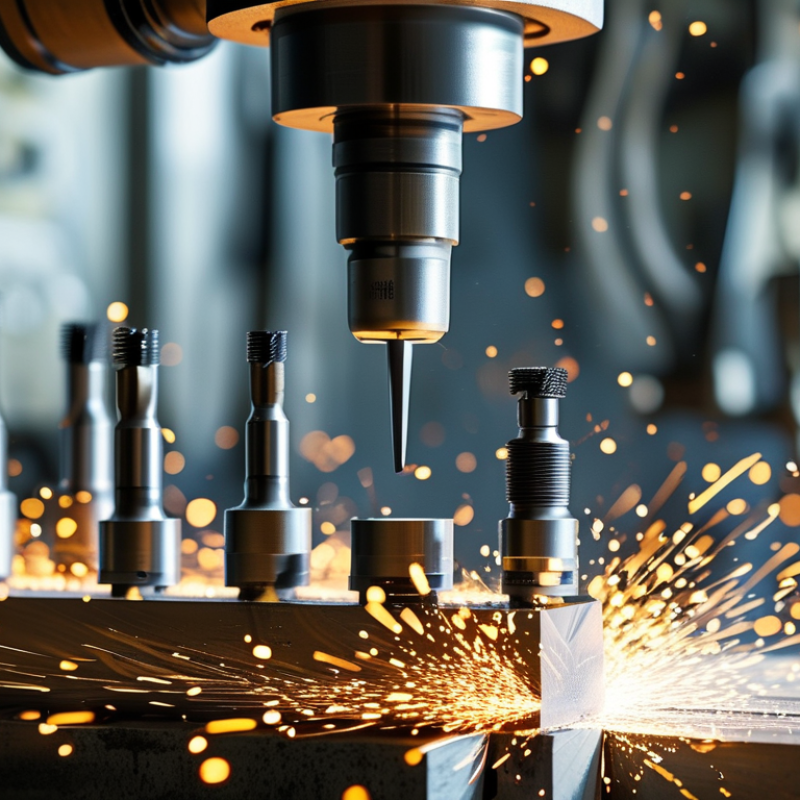
Overview of Metal Cutter Innovations for Global Markets
The metal cutting industry is witnessing remarkable innovations that cater to the global market's evolving demands. Advanced technologies, such as laser cutting and waterjet systems, are gaining significant traction. According to a recent industry report, the global metal cutting market is projected to grow at a CAGR of 5.6% between 2023 and 2028. This growth highlights the importance of staying updated on these innovations.
Manufacturers are integrating automation and robotics into metal cutting processes. This not only enhances precision but also improves operational efficiency. Up to 70% of companies report reduced waste and improved output through these technologies. However, it's essential to approach innovation with caution. Overreliance on automation can lead to oversights in quality control.
**Tip:** Regular training for staff is crucial. Bridging the gap between human oversight and machine efficiency can maximize benefits. Another concern is the environmental impact of some cutting technologies. As regulations tighten, companies must assess sustainable practices without compromising performance. Exploring eco-friendly tools should be a priority for manufacturers. Balancing innovation with sustainability remains a challenge for the industry.
Top Metal Cutter Innovations Available for Global Buyers
| Innovation Type | Key Features | Application Areas | Material Compatibility | Market Availability |
| Laser Cutters | High precision, speed, and versatility | Automotive, aerospace, metal artwork | Steel, aluminum, titanium | Global |
| Plasma Cutters | Cutting thickness up to 1 inch, portable options | Construction, fabrication, maintenance | Mild steel, stainless steel | Widely available |
| Water Jet Cutters | Cuts without heat, minimal distortion | Glass, stone, metal | All metals, rubber, composites | International markets |
| CNC Cutters | Automated precision machining | Manufacturing, custom parts | Various metals and plastics | Global presence |
| Laser-Engraving Systems | High detail, capable of engraving | Arts, signage, manufacturing | Metal, wood, plastic | Available worldwide |
Key Features of Advanced Metal Cutting Technologies
The metal cutting industry is witnessing remarkable advancements, driven by innovations that enhance efficiency and precision. One significant feature is the development of high-speed cutting tools. According to recent industry reports, high-speed steel tools can operate at speeds up to 20% faster than traditional tools, reducing production time significantly. Additionally, advanced coatings on these tools improve their lifespan, leading to cost savings for manufacturers.
Another key innovation is the integration of automation and robotics. Industry 4.0 technologies allow real-time monitoring and adjustments during the cutting process. This results in improved accuracy and reduced waste. A survey from the International Federation of Robotics indicated that manufacturers adopting automated solutions reported a 30% increase in productivity. Robots can consistently perform complex cuts, which takes the burden off human operators.
Tip: Investing in employee training on new technologies can maximize the benefits of these innovations. Another tip is to evaluate the specific cutting processes in your facility to identify areas for improvement. Regular assessments can prevent inefficiencies and enhance overall performance. It is crucial to stay updated on emerging trends, as the landscape is continually evolving.
Top Metal Cutter Innovations Available for Global Buyers
This chart illustrates the cutting speed of various advanced metal cutting technologies, showcasing innovations that are available for global buyers. Each technology offers distinct advantages and capabilities, making them suitable for different applications in the metalworking industry.
Emerging Trends in Metal Cutting Equipment Design
The landscape of metal cutting equipment is rapidly evolving. Innovative designs are emerging, focusing on efficiency and precision. Manufacturers are incorporating intelligent technologies that enable real-time monitoring and adjustments during the cutting process. These advancements enhance accuracy while minimizing waste.
User-friendly interfaces are also becoming commonplace. Operators can now interact with machines more easily, leading to fewer errors. However, not all innovations meet user expectations. Some complex systems can overwhelm less experienced workers, requiring extensive training. A balance between advanced features and simplicity is essential for widespread adoption.
Sustainability is another driving force behind new designs. Manufacturers aim to reduce energy consumption and use recyclable materials. Despite this, the transition to greener solutions often faces challenges. The initial costs and the need for specialized maintenance can deter some buyers. These factors highlight the importance of continuous improvement and responsiveness to buyer needs in the ongoing development of metal cutting equipment.
Impact of Automation on Metal Cutting Processes
Automation is transforming metal cutting processes significantly. Advanced technologies are enhancing precision and efficiency. Machines equipped with sensors can detect flaws in real-time. This reduces waste and improves product quality. Automation also allows for faster production rates. In many cases, operators can manage multiple machines simultaneously, increasing overall productivity.
Yet, this shift raises concerns. Job displacement is a key issue as machines take on roles once held by humans. Workers need training to adapt to new technologies. Some operators may struggle with complex systems. A balance between human skill and automation is essential. Companies must invest in their workforce, ensuring employees are equipped for the future.
Continuous improvement is necessary in automated metal cutting. Monitoring and optimizing processes can lead to better outcomes. However, reliance on technology demands ongoing evaluation. The industry must stay vigilant against potential downtimes and malfunctions. By embracing innovation while addressing its challenges, the metal cutting sector can evolve effectively.
Market Leaders in Metal Cutting Innovation and Their Products
In the competitive landscape of metal cutting, innovation is crucial. Market leaders continuously develop advanced technologies. These innovations enhance efficiency and precision, significantly impacting production processes.
One notable trend is automation in metal cutting. Machine advancements now allow for quicker turnarounds and lower operational costs. Newer models often incorporate intelligent systems for real-time monitoring, ensuring consistent quality. These improvements also reduce human error, which is essential for meeting high standards in sectors like aerospace and automotive.
Tip: Consider investing in training for operators. Understanding the latest technologies maximizes efficiency.
Another area of innovation is the development of cutting tools with superior durability. Enhanced materials reduce wear and tear, increasing the lifespan of tools. This leads to lower replacement costs over time. However, not all users fully grasp the importance of tool maintenance.
Tip: Regularly inspect cutting tools to maintain performance.
Staying informed about these innovations is vital for global buyers. With the right tools and technology, companies can remain competitive and meet evolving industry demands.