Top 10 Millet Color Sorters for Global Buyers to Consider?
In the competitive world of agricultural processing, choosing the right Millet color sorter is crucial. According to Dr. Emily Chang, a renowned expert in agricultural technologies, "Selecting the best millet color sorter can significantly enhance product quality and marketability." This statement underscores the importance of making informed decisions in this sector.
Millet color sorters vary widely in technology and functionality. Some utilize advanced optical sensors, while others rely on simpler mechanisms. Understanding these differences helps buyers find the right fit for their needs. Moreover, considering the specific requirements of millet processing can impact efficiency and profitability.
However, not all features guarantee success. Misleading marketing claims can lead to poor choices. Buyers must critically evaluate their options. Investing time in research and seeking expert advice can mitigate mistakes. The right millet color sorter can transform processing capabilities—making it essential to select wisely.
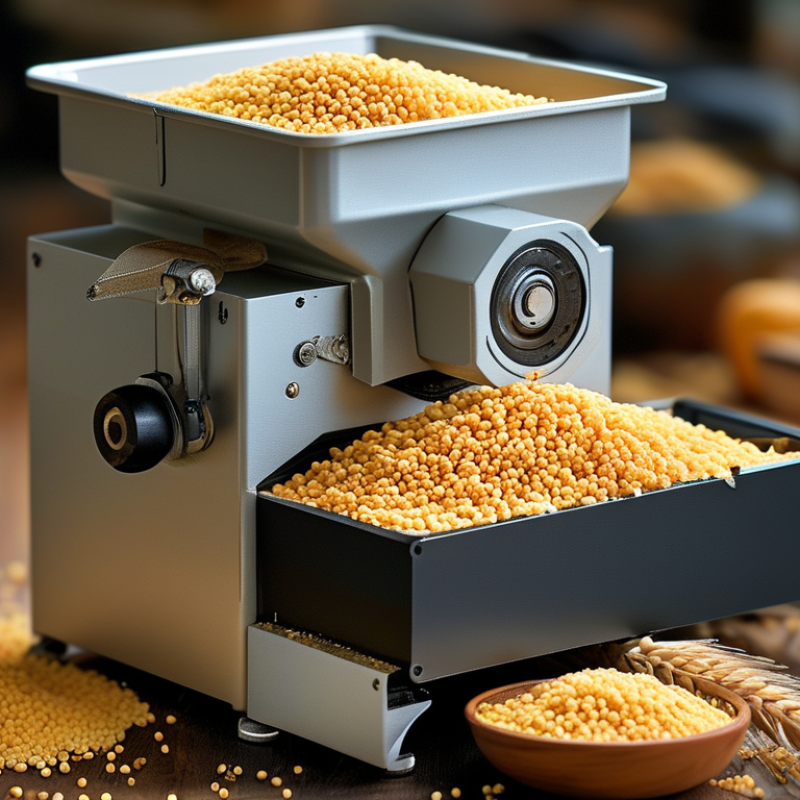
Overview of Millet Color Sorters and Their Importance
Millet color sorters play a crucial role in agricultural processing. They help in the efficient separation of quality millet grains from defects. With rising global demand for millet, the need for effective sorting has never been greater. These machines employ advanced technologies like optical sensors to identify color variations in grains. This ensures that only high-quality millet reaches consumers.
The importance of color sorting cannot be overstated. It enhances product quality and reduces waste. Farmers and processors can significantly improve their profitability through such sorting solutions. However, the effectiveness of these machines can vary based on how they are calibrated and maintained. Misalignment in settings can lead to unsatisfactory results.
Buyers must carefully consider these factors when choosing millet color sorters. A deeper understanding of their functionalities, strengths, and weaknesses is vital. Investing in training and regular maintenance can help maximize their potential. By addressing these aspects, users can ensure that their sorting processes meet the highest standards of quality.
Top 10 Millet Color Sorters for Global Buyers
This chart illustrates the sorting efficiency percentages of ten different millet color sorters, highlighting their performance in sorting millet grains effectively. The data is vital for global buyers considering the best options in the market.
Key Features to Consider When Selecting a Millet Color Sorter
When selecting a millet color sorter, several critical features should be considered. Efficiency is paramount. A high-quality sorter can significantly reduce contaminants in millet. This ensures that only the best grains reach the market. Buyers should look for machines with advanced sensors. These sensors enhance detection capabilities, allowing for precise sorting of different color hues.
The capacity of the sorter is also vital. A machine that can handle large volumes will save time and labor costs. However, be cautious about overcapacity. Processing too much millet may lead to machine inefficiencies or errors. Maintenance is another aspect worth assessing. Regular upkeep is essential for long-term reliability. Some sorters require more frequent attention than others, so choose wisely.
Lastly, consider the machine's adaptability. The ability to adjust sorting parameters can enhance its effectiveness. While many sorters come with preset options, customizable settings are key for various millet types. Reflect on past experiences with machinery. Sometimes, the most feature-rich machine may not always meet specific needs efficiently. Balance is key between features and what truly works for your production line.
Top Millet Color Sorter Brands for Quality and Performance
In the competitive world of millet processing, selecting a top-notch color sorter is vital. Color sorters significantly enhance quality by removing impurities. According to a recent industry report, about 15% of harvested millet is often of subpar quality. The right millet color sorter can drastically reduce this waste.
When evaluating color sorters, performance metrics are crucial. Machines with high precision can sort up to 99.9% of unwanted grains. However, not all devices maintain this quality over prolonged use. Regular maintenance and calibration are essential for optimal results. Some users report a drop in efficiency as machines age, pointing to the importance of routine checks.
Tips: Always consider the specific needs of your processing line. Match the sorter's capacity to your output demands. It's beneficial to read user reviews for insights into long-term performance. Additionally, research can reveal patterns of reliability and efficiency common among different brands.
Customer Reviews and Comparisons of Popular Millet Color Sorters
When considering millet color sorters, customer reviews offer valuable insights. Many users emphasize the importance of precision and speed. A recent industry report highlights that sorters can improve accuracy by up to 98%. This efficiency ensures quality control in millet processing. Users often compare features like sensor technology and processing capacity.
One notable aspect is the feedback on maintenance needs. Some models require more frequent cleaning, which can hinder productivity. Operators suggest setting aside time for proper maintenance. This can be a simple yet essential step for long-term performance.
Choosing the right sorter is crucial. It should align with your production needs and budget. Pay attention to user experiences regarding customer support and service issues. A little research can save time and money in the long run. Remember, effective sorting is not just about technology; it’s also about knowing how to use it properly.
Top 10 Millet Color Sorters for Global Buyers to Consider
| Sorter Model | Capacity (kg/h) | Sensor Type | Accuracy (%) | Price (USD) | Customer Rating |
| Model A | 100 | CCD | 98 | 5000 | 4.5 |
| Model B | 150 | RGB | 95 | 6000 | 4.7 |
| Model C | 120 | NIR | 96 | 5500 | 4.6 |
| Model D | 200 | RGB + NIR | 99 | 7000 | 4.8 |
| Model E | 110 | CCD | 97 | 5200 | 4.4 |
| Model F | 140 | RGB | 94 | 5900 | 4.3 |
| Model G | 130 | NIR | 92 | 5300 | 4.2 |
| Model H | 160 | RGB + NIR | 98 | 6500 | 4.9 |
| Model I | 180 | CCD | 93 | 7000 | 4.1 |
| Model J | 190 | RGB | 91 | 5800 | 4.0 |
Global Trends in Millet Sorting Technology and Equipment Solutions
Millet sorting technology is evolving to meet global demands. This trend reflects a growing emphasis on efficiency and accuracy in agricultural practices. Advanced color sorters now utilize AI and machine learning. These technologies enhance the sorting processes, ensuring high-quality yields. Global buyers are increasingly seeking innovative solutions that support sustainability. They prioritize equipment that minimizes waste while maximizing output.
In many regions, traditional sorting methods still dominate. However, they often lack the precision of modern machines. Crop quality can suffer, leading to financial losses for farmers. Buyers must weigh the pros and cons of investing in newer technology. The initial cost can be high, yet the long-term benefits often outweigh these concerns.
Investing in advanced millet sorting equipment can lead to better market competitiveness. Buyers should consider adaptability to various millet types. Equipment that can adjust to different grain sizes and colors is essential. This flexibility can make a significant difference in sorting efficiency. Embracing these trends is crucial for staying relevant in the agricultural market.