Top Tractor Implements Tips for Global Buyers Seeking Efficiency?
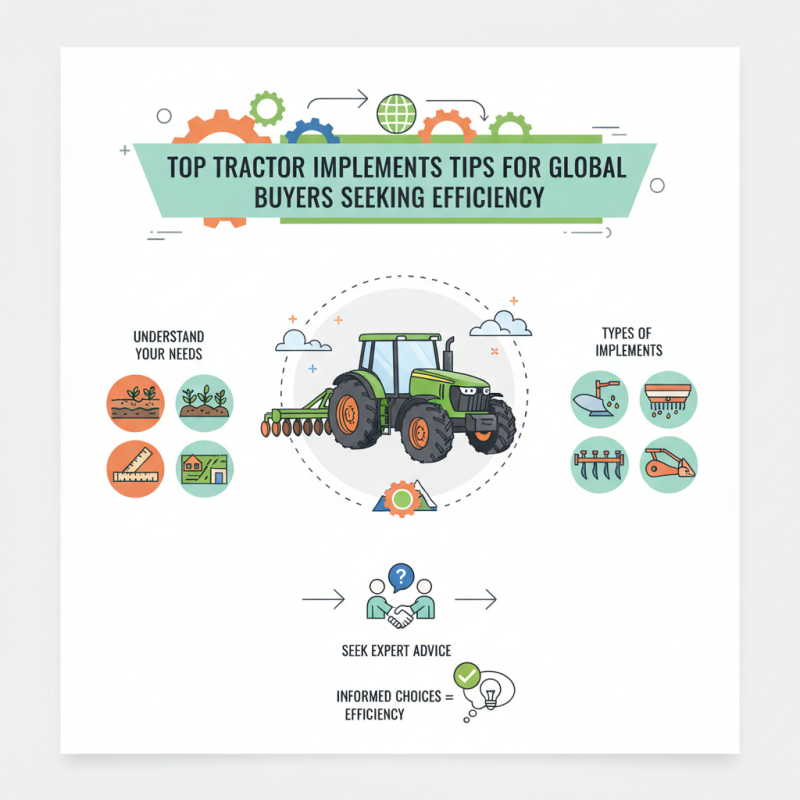
In the world of agriculture, efficiency is vital. One key to achieving this is through the selection of the right Tractor Implements. These tools can greatly enhance productivity, streamline operations, and ultimately improve yield. Global buyers must understand the various types of implements available and their specific functions.
Tractor implements come in many forms, each designed for specific tasks. From plows to seeders, and cultivators to harvesters, every implement plays a role in the farming process. However, not all implements are suitable for every farm. Knowing your land and needs is essential. Consider the soil type, crop selection, and farm size. Buyers should also reflect on the compatibility of implements with their tractors.
Mistakes in choosing tractor implements can lead to reduced efficiency. Researching and understanding each option is key, but so is seeking expert advice. Engaging with local suppliers or agricultural specialists can provide valuable insight. This approach helps ensure that investments in tractor implements meet actual farming needs, avoiding costly errors. The journey to efficiency starts with informed choices.
Understanding Tractor Implements: Types and Their Functions
When exploring tractor implements, understanding their types and functions is essential. There are various implements tailored for specific tasks. For instance, plows are designed to turn over soil, creating ideal conditions for planting. In contrast, cultivators excel in preparing the soil for sowing, breaking up hardened ground and controlling weeds. According to a 2022 industry report, efficient tillage can increase crop yields by up to 15%. This highlights the importance of selecting the right implement for the job.
Another common implement is the mower, crucial for maintaining pasture and hay fields. A significant challenge arises in choosing between rotary and sickle bar mowers. Each type has unique advantages and limitations. This can lead to decision-making stress for buyers. An industry study from 2023 revealed that 40% of buyers regret their initial implement choices. This reflects the need for careful consideration of operational efficiency and long-term costs.
Additionally, attachments can enhance versatility. For example, a front-end loader can assist in moving materials, while a backhoe can aid in digging tasks. However, the complexity of selecting compatible attachments often creates confusion. Data indicates that users can see a 30% increase in productivity with the right combination of implements. Understanding functionality is key to achieving optimal efficiency in agricultural practices.
Assessing Efficiency Needs: Factors to Consider for Global Buyers
When assessing efficiency needs, global buyers must consider several key factors. One critical aspect is the landscape type and size. Different terrains require specialized implements. For instance, a study by the Agricultural and Food Research Council indicates that 70% of efficiency stems from selecting the right implements for specific tasks. Larger fields may benefit from wider tillage tools, whereas smaller plots might require versatility.
Another notable factor is the implement's compatibility with existing machinery. Research shows that nearly 60% of buyers face challenges due to mismatched equipment. Verifying compatibility prevents downtime and enhances productivity. Maintenance practices also play a role in long-term efficiency. Regular upkeep can extend the lifespan of implements, as noted in industry reports highlighting a 30% decrease in performance loss with proper maintenance.
Lastly, considering labor availability is crucial. In many regions, labor shortages affect operational capacity. Automation and mechanization can bridge this gap, offering efficiency boosts that manual methods cannot achieve. Balancing these elements allows buyers to make informed decisions about tractor implements and their overall efficiency.
Top Features to Look for in Efficient Tractor Implements
When selecting efficient tractor implements, understanding key features is essential. Buyers should prioritize durability and reliability. Materials used in construction matter greatly. Steel components often provide better longevity than plastic parts. Check for solid welding and robust joints. These factors contribute directly to performance over time.
Another feature to consider is ease of attachment and detachment. Implements should connect quickly to save valuable time during busy seasons. Look for intuitive designs that don’t require excessive tools. This can enhance productivity without complicating operations.
Moreover, think about compatibility with different tractor sizes. Not every implement works well with every tractor. Testing before purchase is wise. Efficiency should never compromise safety. Also, keep an eye on user feedback. Real experiences often reveal potential weaknesses that specifications may not cover. Recognizing these details can lead to better investment choices.
Comparing Tractor Implement Brands: A Guide for Informed Decisions
When comparing tractor implement brands, efficiency is key for global buyers. Many factors influence your choice. These include durability, ease of use, and customer support. Efficiency can save you time and money. A reliable implement can significantly boost your productivity.
Brand reputation plays a crucial role in your decision. Explore user reviews to gain insights. This helps assess performance and service reliability. Some brands excel in creating robust products. Others may lack adequate customer service. Evaluating these aspects is vital for making an informed choice.
Testing implements in real-world conditions is valuable. This sheds light on performance. Both effectiveness and maintenance requirements should be considered. Understand that some brands may not meet your expectations. Take time to research widely and gather opinions. This could lead you to find the best match for your needs.
Maintenance Tips for Longevity and Performance of Implements
Maintaining tractor implements is essential for their longevity and performance. Regular checks can prevent costly repairs. Look for signs of wear and tear, especially on blades and gears. Small issues can escalate quickly if left unchecked. A simple visual inspection can save time and money.
Cleaning implements after each use is crucial. Dirt and debris can cause corrosion and damage. Use a pressure washer for tough residues, but take care around sensitive parts. Lubricate moving components regularly. This ensures smooth operation and reduces friction. Don't overlook the importance of using the right type of lubricant.
Storage also plays a role in implement lifespan. Keep them in a dry, sheltered space to avoid rust. However, ensure proper ventilation. Overcrowded storage can cause scratches and dents. Consider using tarps or covers to protect from dust. At times, forgetting these basics can lead to short-term solutions, which may impact performance in the long run.