Top 10 Water Filter Types for Clean and Safe Drinking Water
In an era where clean and safe drinking water is of paramount importance, understanding the various types of water filters available on the market can significantly improve our health and well-being. Water filter expert Dr. Jane Thompson emphasizes, “Choosing the right water filter is not just about convenience; it's about ensuring we consume the safest water possible.” With countless options and varying technologies, consumers are often left overwhelmed when attempting to select the most suitable water filter for their needs.
In this article, we will explore the top 10 water filter types, delving into their unique features, advantages, and suitability for different environments. Whether it's a simple pitcher filter or a sophisticated reverse osmosis system, each type has its own strengths. By gaining a deeper understanding of how these water filters work and what contaminants they can remove, we can make informed choices that promote a healthier lifestyle and safeguard our families. As we navigate through the complexities of water filtration, it becomes clear that the right water filter is essential not just for hydration, but for overall health and peace of mind.
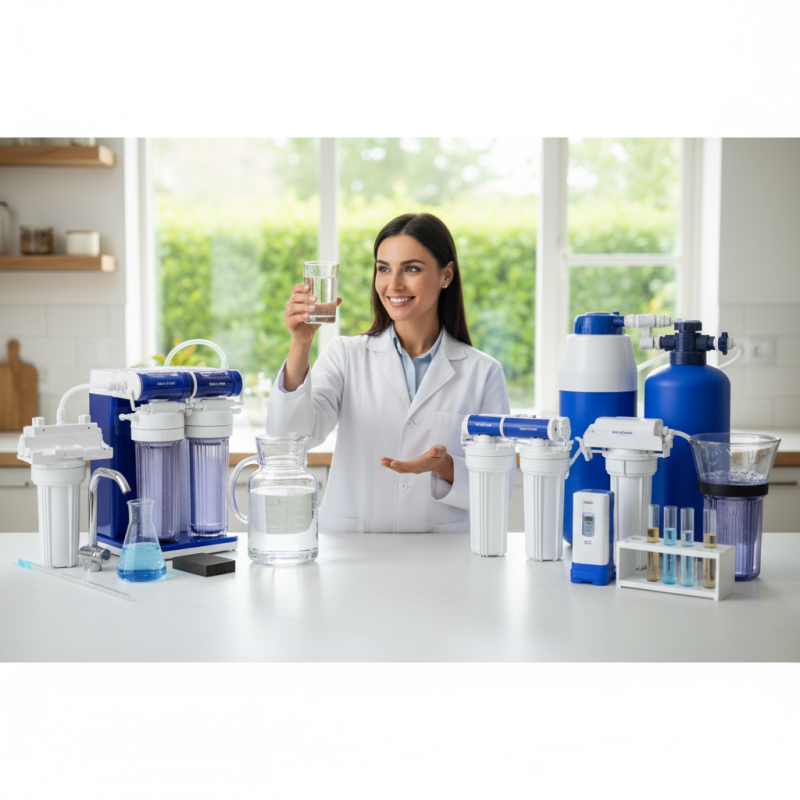
Overview of Water Filtration and Its Importance
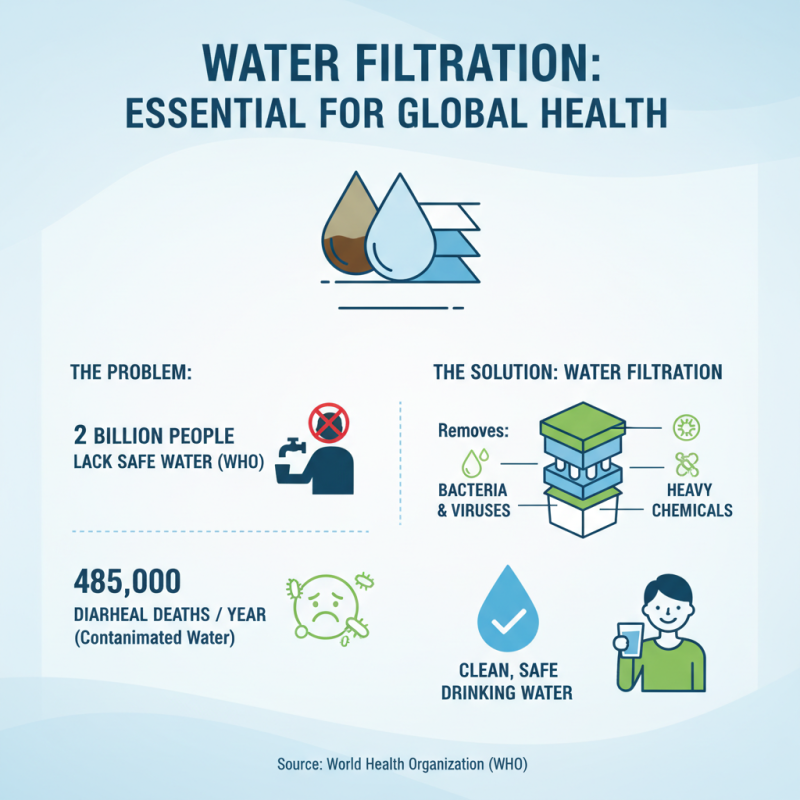
Water filtration plays a crucial role in ensuring the availability of clean and safe drinking water, which is essential for human health and well-being. According to data from the World Health Organization (WHO), approximately 2 billion people worldwide lack access to safe drinking water, leading to a significant burden of disease. Contaminated water is responsible for the spread of waterborne diseases, which cause an estimated 485,000 diarrheal deaths each year. Effective water filtration systems can remove harmful contaminants such as bacteria, viruses, heavy metals, and chemicals, making water safer for consumption.
The importance of water filtration extends beyond public health; it also impacts the environmental sustainability of water resources. A report by the American Water Works Association indicates that investments in water filtration technologies can help reduce pollution levels in our water systems, promoting conservation and efficient use of water. Moreover, as water scarcity becomes a growing global challenge, filtration technologies enable the reuse of water by treating wastewater, thus contributing to a more sustainable water management strategy. By understanding and implementing various filtration methods, communities can ensure access to safe drinking water, protect public health, and address environmental challenges effectively.
Types of Water Contaminants and Their Health Impacts
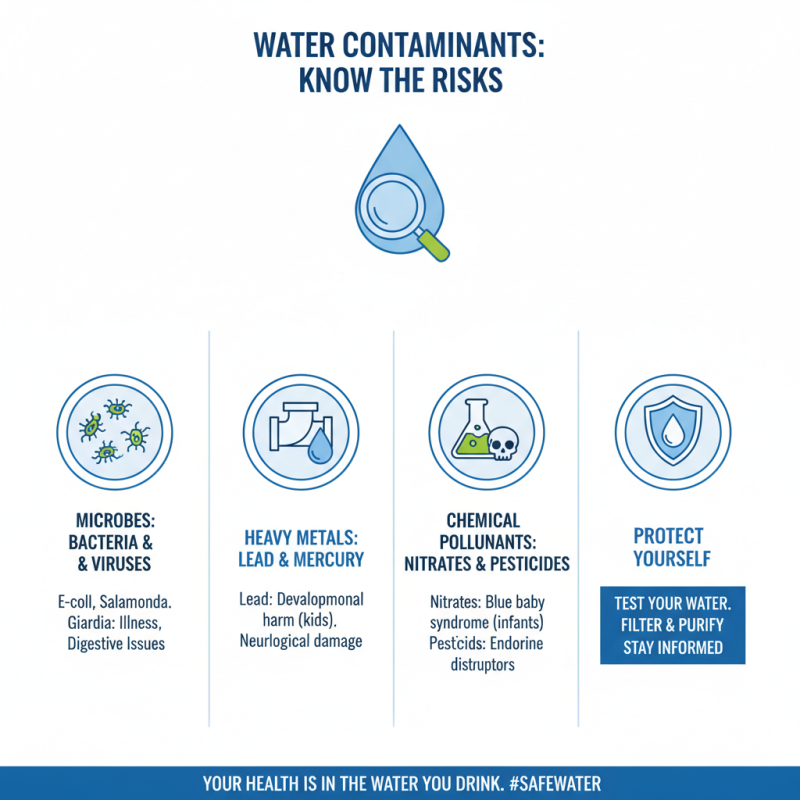
Water contaminants can pose serious health risks, making it crucial to understand the types of impurities that might be lurking in your drinking water. Common contaminants include bacteria, viruses, heavy metals, and chemical pollutants. For instance, lead exposure can lead to developmental issues in children, while high levels of nitrates can cause serious health problems, particularly for infants. Understanding these contaminants is essential to ensuring a safe drinking water supply.
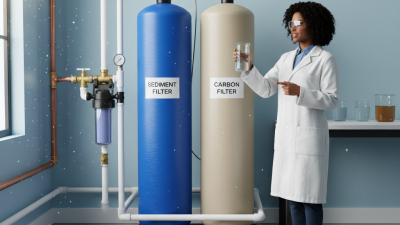
To maintain clean and safe drinking water, consider implementing a water filtration system that targets specific contaminants. Different filters are designed to remove various impurities, such as activated carbon filters, which effectively eliminate chlorine and volatile organic compounds, or reverse osmosis systems, which can filter out heavy metals and other toxins.
**Tips**: Regularly test your water quality to identify specific contaminants that may be present. This will guide you in selecting the right filtration solution for your needs. Additionally, keep your filtration system well-maintained and replace filters as recommended to ensure optimal performance and protection against waterborne health risks. Being proactive about water safety is key, and understanding the contaminants you might face is the first step in safeguarding your health.
Comparative Analysis of Top 10 Water Filter Types
When examining water filter types, it is crucial to understand the technology behind each method to choose the most effective solution for your needs. Common types include activated carbon filters, reverse osmosis systems, ultraviolet light purifiers, and ceramic filters. Each of these methods has its own strengths and weaknesses. For instance, activated carbon filters excel at removing chlorine and improving taste, while reverse osmosis systems are known for their ability to eliminate a wide range of contaminants, including heavy metals. In contrast, ultraviolet light purifiers focus on killing bacteria and viruses, making them ideal for disinfecting water.
When selecting a water filter, consider factors such as your specific contaminants of concern, the volume of water you need to filter, and your budget. Additionally, maintenance requirements can vary significantly between filter types. Some filters may need regular replacement of elements, while others require less frequent upkeep.
Tips: Before making a purchase, conduct a water quality test to identify the specific impurities in your source. This will help you choose a filter that best meets your purification needs. Furthermore, evaluate the flow rate of the system to ensure it aligns with your household consumption. Always read reviews and customer feedback to gather insights on the filter's performance over time.
Key Features to Consider When Choosing a Water Filter
When selecting a water filter, it’s essential to consider several key features to ensure you’re making an informed choice. First, assess the filter type that best suits your needs. Options range from activated carbon filters to reverse osmosis systems, each designed to target specific contaminants. According to the Water Quality Association, approximately 90% of household water systems benefit significantly from filtration, emphasizing the importance of choosing the right type.
Another crucial factor is the filter's removal capability. Look for filters that can effectively eliminate common contaminants such as lead, chlorine, and microorganisms. Reports indicate that most water filters can remove over 90% of these harmful substances, significantly enhancing water safety. Additionally, consider the filter's capacity and lifespan. A filter that requires frequent changes can lead to higher long-term expenses, so prioritize options with a balance of efficiency and longevity.
Tips: Always check for certifications from trusted organizations, such as the NSF International, ensuring the filter meets rigorous performance standards. When in doubt, opt for a filter with versatile contaminant reduction capabilities to ensure comprehensive water purification. Regular testing of your water quality can also help you understand which contaminants are present, allowing you to choose a filter tailored to your specific needs.
Top 10 Water Filter Types for Clean and Safe Drinking Water
| Filter Type |
Key Features |
Contaminants Reduced |
Lifespan (Months) |
Cost (Approx.) |
| Activated Carbon |
Removes chlorine, odor, and taste |
Chlorine, VOCs |
6-12 |
$30-$50 |
| Reverse Osmosis |
High filtration, removes most dissolved solids |
Heavy metals, fluoride, nitrates |
24-36 |
$200-$500 |
| Ultraviolet (UV) |
Kills bacteria and viruses |
Bacteria, viruses |
12 |
$150-$300 |
| Ceramic Filters |
Removes bacteria and sediment |
Bacteria, sediments |
12-18 |
$20-$100 |
| Ion Exchange |
Removes hardness and heavy metals |
Calcium, magnesium, lead |
6-12 |
$30-$150 |
| Whole House Systems |
Filters all water entering the home |
Sediments, chlorine |
12-36 |
$500-$2,000 |
| Water Distillers |
Steams water to remove impurities |
Heavy metals, bacteria |
12-24 |
$100-$400 |
| Nanofiltration |
Removes larger particles and some salts |
Sodium, hardness |
24-36 |
$200-$600 |
| Portable Water Filters |
Ideal for camping and travel |
Sediments, bacteria |
6-12 |
$20-$100 |
| Alkaline Water Filters |
Raises pH level and adds minerals |
Acidity, chlorine |
12-18 |
$100-$300 |
Maintenance Tips for Optimal Water Filter Performance
Proper maintenance of water filters is essential to ensure optimal performance and ensure safe drinking water. According to the Water Quality Association, approximately 15% of households in the U.S. use some form of water filtration system. However, many users are unaware that the effectiveness of these systems can diminish significantly without regular maintenance. For instance, activated carbon filters typically need to be replaced every 6 to 12 months, depending on the water quality and usage levels. If filters are not replaced on time, they can become breeding grounds for bacteria, reducing the filtration efficiency and potentially compromising water safety.
Routine monitoring and maintenance can greatly enhance the lifespan and functionality of water filtration systems. A study from the National Sanitation Foundation indicates that neglecting maintenance can lead to a 40% decrease in filter efficiency. It's advisable to check the manufacturer's guidelines for specific maintenance schedules for different filter types, such as reverse osmosis or UV filters. Regularly inspecting and cleaning pre-filters, when applicable, further optimizes performance. By adhering to these maintenance tips, users not only ensure cleaner water but also contribute to the environmental sustainability of their filtration systems, as prolonged usage of well-maintained filters leads to less waste.