Top 10 Pure Water Filters for Clean Drinking Water?
Access to clean drinking water is vital for health. Yet, many people consume water contaminated with impurities. According to the World Health Organization, over 2 billion people lack reliable access to safe drinking water. This underscores the importance of effective filtration systems.
Pure water filters address these issues directly. They remove harmful contaminants, ensuring we drink clean water daily. A study by the Environmental Protection Agency highlights that common pollutants include lead, chlorine, and bacteria. Using high-quality pure water filters can significantly reduce these dangers.
However, with numerous options available, choosing the right filter can be challenging. Many consumers struggle to discern quality products. They may choose filters based solely on cost or marketing claims. This often leads to subpar choices that fail to provide clean water. Thus, understanding which filters truly deliver purity is essential for the well-being of families worldwide.
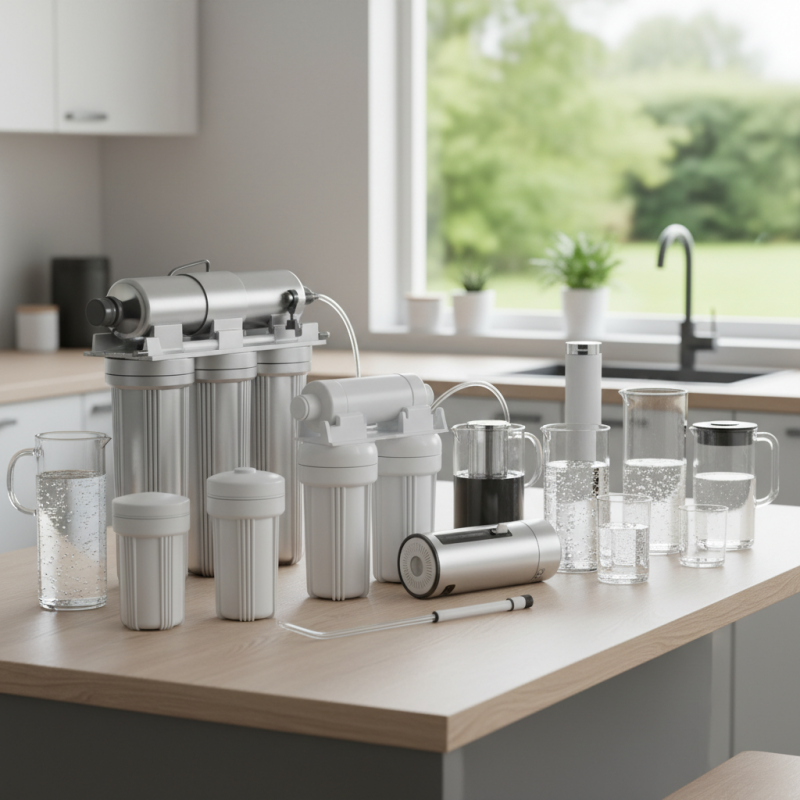
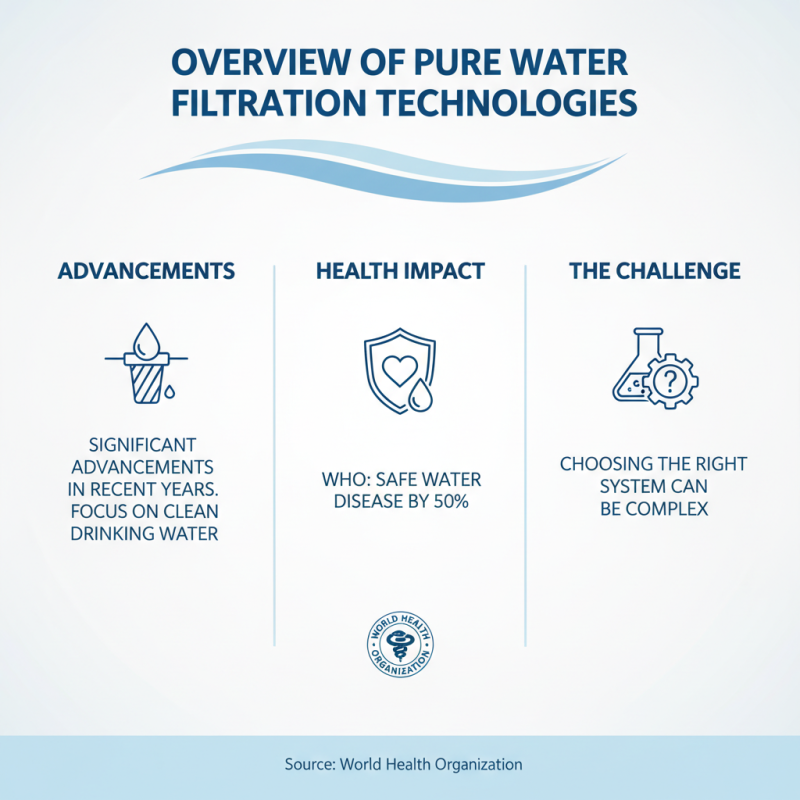
Overview of Pure Water Filtration Technologies
Water filtration technologies have advanced significantly in recent years. Many households now prioritize clean drinking water. According to the World Health Organization, safe drinking water can reduce disease by 50%. However, choosing the right filtration system can be challenging.
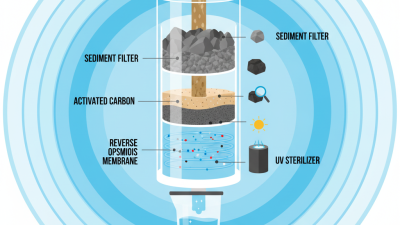
Reverse osmosis and activated carbon are popular technologies. Reverse osmosis removes 99% of contaminants. It is effective for hard water issues. On the other hand, activated carbon targets specific pollutants, such as chlorine and volatile organic compounds. Studies show that this method can enhance the taste of water. Yet, not every filtration method is right for every situation.
Some users express dissatisfaction with filter lifespan and replacement frequency. Filters need regular maintenance to function effectively. In a survey, 30% of users reported frustration with filter changes. This indicates a gap in user knowledge about proper care. Consumers often overlook these details, leading to suboptimal water quality. Understanding these filtration technologies helps in making informed decisions.
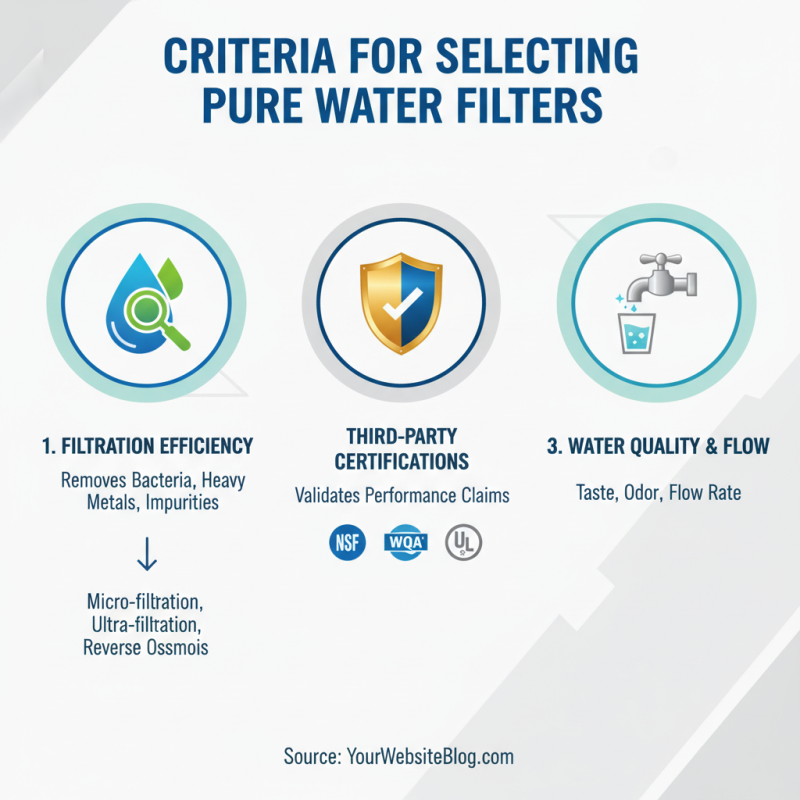
Criteria for Selecting the Best Pure Water Filters
When selecting the best pure water filters, consider several key criteria. Filtration efficiency is crucial. A good filter removes contaminants effectively. Look for filters that can eliminate bacteria, heavy metals, and other impurities. Check third-party certifications to validate performance claims.
Another important factor is the filter's lifespan. Some filters need frequent replacements. This can lead to higher costs over time. Choose a filter with a longer life if it meets your needs. This balance between cost and convenience is often overlooked.
Tips: Always read customer reviews to gauge real-world performance. It helps to know if the filter works as advertised. Don’t forget to consider the cost of replacement filters. It’s often a hidden expense that can add up quickly. Lastly, ensure the filter fits your water source and plumbing setup. Compatibility is essential, even if a filter looks perfect on paper.
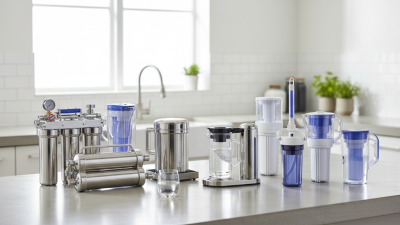
Top 10 Pure Water Filters for Home Use
When choosing a water filter for home use, consider the various contaminant removal rates. According to the Environmental Protection Agency (EPA), up to 80% of Americans use tap water daily, often unaware of its potential impurities. Many home filters can effectively reduce lead, chlorine, and bacteria. Effective filters often achieve over 99% reduction of these harmful elements.
Tips for choosing a filter include checking its certification. Look for filters that meet NSF/ANSI standards. This ensures effective removal of contaminants. Another important factor is water flow rate. Some filters provide rapid filtration, while others may slow down the process. Evaluate your daily water usage to select an appropriate filter.
While most filters improve taste and quality, they may not address all concerns. For example, some systems might miss specific agricultural run-off contaminants. Regular testing of your water supply can reveal issues that require attention. Keeping up with filter maintenance is essential. Clogged filters can lead to reduced efficiency and even introduce new contaminants. Always remember that not all solutions are perfect. A critical approach can help you discover the best option for your home.
Top 10 Pure Water Filters for Clean Drinking Water
| Filter Type |
Filtration Method |
Contaminants Removed |
Filter Life (Months) |
Price Range (USD) |
| Reverse Osmosis |
RO Membrane |
Lead, Arsenic, Fluoride |
24 |
$150 - $300 |
| Activated Carbon |
Granular Carbon |
Chlorine, VOCs |
6 |
$30 - $100 |
| UV Purifiers |
UV Light |
Bacteria, Viruses |
12 |
$75 - $250 |
| Ceramic Filters |
Ceramic Material |
Bacteria, Sediments |
12 |
$25 - $150 |
| Distillation |
Heat Evaporation |
Lead, Fluoride |
24 |
$100 - $350 |
| Ion Exchange |
Ion Resins |
Hardness Minerals |
12 |
$50 - $120 |
| Multi-Stage Filters |
Combination |
Chlorine, Sediments |
6 |
$50 - $200 |
| Whole House Filters |
Multi-Stage |
Sediments, Chlorine |
12 |
$300 - $900 |
| Water Pitchers |
Carbon Filter |
Chlorine, Lead |
2 |
$20 - $50 |
| Portable Filters |
Activated Carbon |
Bacteria, Sediments |
6 |
$15 - $100 |
Comparison of Performance and Features of Each Filter
Choosing the right water filter can be overwhelming. Each filter has its unique features and performance levels. Let’s dive into some essential aspects to consider when comparing these filters.
The filtration system is crucial. Some use activated carbon, while others employ reverse osmosis. Activated carbon filters reduce chlorine and improve taste. However, they may not remove heavy metals. Reverse osmosis, on the other hand, eliminates a broader range of contaminants, including microorganisms. This type may waste more water than activated carbon options. Consider what you need for your specific water concerns.
Pay attention to the filter’s lifespan. Some filters need frequent replacements, while others can last longer. Regularly changing filters is important for maintaining water quality. Neglecting this can lead to compromised performance.
Tips: Always check the filter certification. It ensures that the filter meets safety and performance standards. Also, consider your water source. The level of contaminants varies by location.
Finally, installation and maintenance are key factors. Some filters are easy to install and maintain. Others may require professional help. Ensure you choose one that fits your lifestyle and skill level. A complicated system may not be used consistently, leading to poor drinking water quality.
Maintenance Tips for Ensuring Long-Lasting Filter Efficiency
When it comes to maintaining pure water filters, regular upkeep is crucial. Industry data shows that filters can lose up to 50% of their efficiency without proper maintenance. This makes cleanliness a vital aspect of water filtration systems. Check your filter's condition every month to ensure it is working optimally. The average household should replace filters every 6 to 12 months, depending on usage.
Keep an eye on water flow rates. A significant drop can indicate a clogged filter. Clean or replace the filter promptly to avoid health risks. Also, maintain the filter housing. It should be free from bacteria and algae growth. Studies suggest that well-maintained systems can effectively remove 99% of contaminants like lead and chlorine, making the water genuinely safe for drinking.
Don't overlook the importance of proper storage too. Filters should be kept in a cool, dry place. Exposure to heat can degrade filter materials, impacting performance. Reflect on your filter habits. Many users forget to check, which can lead to ineffective filtration. Regular inspections and timely replacements can enhance water quality substantially.