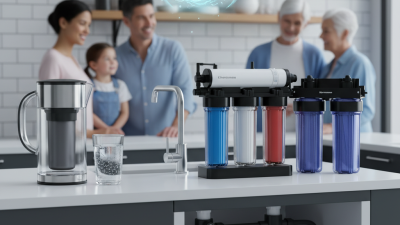
Top Water Treatment Systems for Clean Water Solutions?
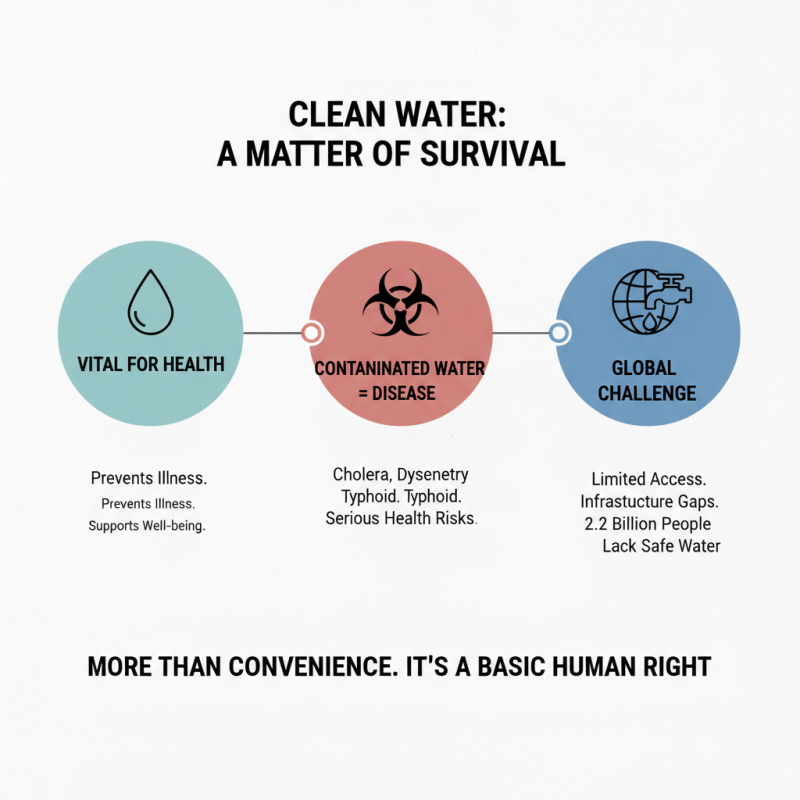
Access to clean water is vital for health. However, water contamination remains a global issue. People often overlook the importance of effective water treatment systems. These systems help in providing safe drinking water, essential for well-being.
Various types of water treatment systems exist. Each system has unique features and benefits. Some are designed for small households, while others cater to communities. The choice depends on several factors, including budget and water quality. Not all systems effectively remove contaminants, raising concerns about their reliability.
It's crucial to assess the specific needs of your water supply. Many systems claim to be effective but may fall short. The right choice can significantly impact health outcomes. Investing time in research can lead to better decisions. Clean water should not be a luxury; it should be accessible.
Overview of Water Treatment Systems
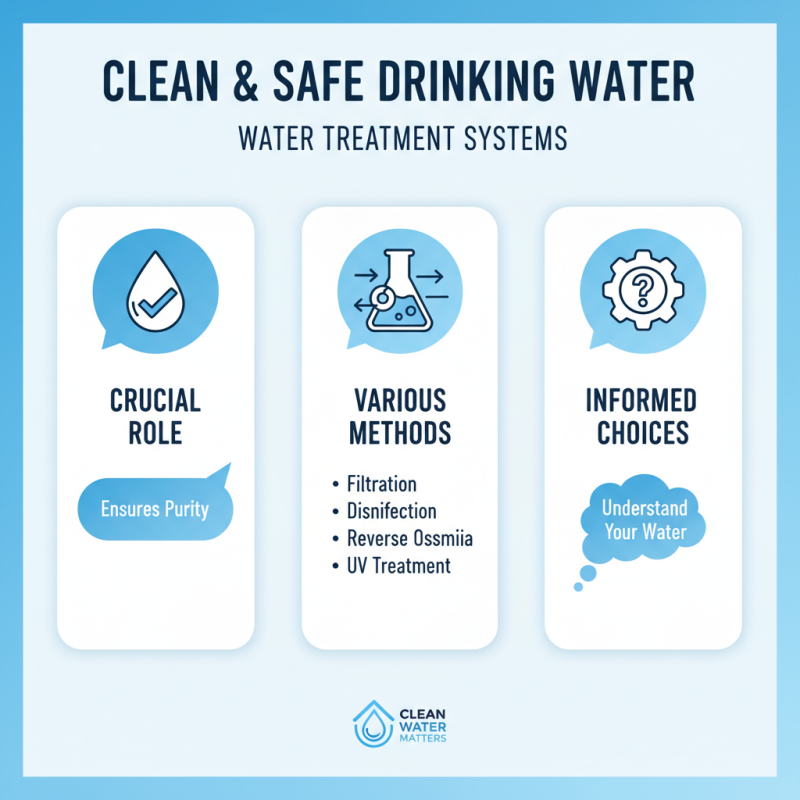
Water treatment systems play a crucial role in ensuring clean and safe drinking water. Various methods are employed to remove contaminants and impurities from water sources. Understanding these systems is vital for making informed choices about our water supply.
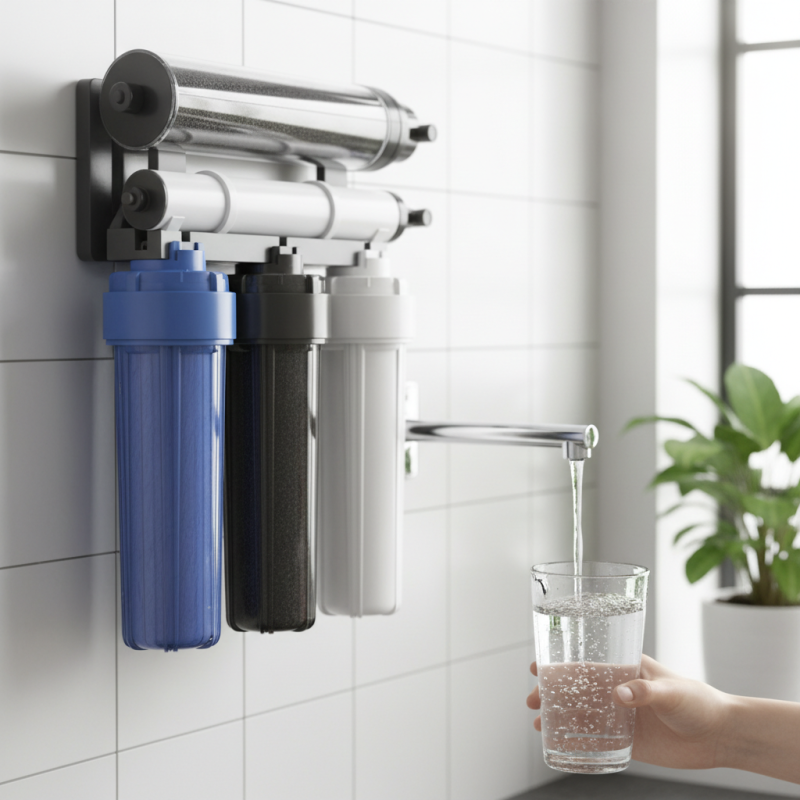
Common water treatment processes include filtration, chlorination, and reverse osmosis. Filtration involves passing water through physical barriers to catch particles. However, not all filters remove all harmful substances. Chlorination disinfects water, yet it may produce byproducts that can be harmful if ingested over time. Reverse osmosis is effective for desalination, but it often wastes a significant amount of water.
Choosing the right treatment system requires careful consideration of local water quality and needs. Not every solution works for every situation. Some systems may have high installation costs, while others require regular maintenance. It’s essential to reflect on what truly meets our needs. Clean water is vital, but the methods to achieve it aren't always flawless.
Types of Water Treatment Technologies
Water treatment technologies are essential for ensuring safe and clean drinking water. Different systems utilize various methods to remove impurities. Common types include filtration, reverse osmosis, and ultraviolet (UV) treatment.
Filtration systems are widely used. They can effectively remove particles and sediments. However, they may not eliminate all bacteria or viruses. Regular maintenance is crucial for their efficiency. Reverse osmosis is another method, which forces water through a semipermeable membrane. This technology can remove contaminants at a molecular level. Yet, it tends to waste some water during the process.
UV treatment uses light to disinfect water. It is effective against many pathogens, but does not remove physical impurities. Moreover, it requires electricity, which can be a drawback in remote areas. Each technology has its strengths and weaknesses. Understanding these can help consumers make informed choices about their water needs.
Top Water Treatment Systems for Clean Water Solutions
| Technology Type |
Description |
Advantages |
Common Applications |
| Reverse Osmosis |
A filtration process that removes impurities by forcing water through a semipermeable membrane. |
Highly effective at removing contaminants, produces great-tasting water. |
Residential drinking water, industrial processes. |
| Activated Carbon Filtration |
Uses charcoal to absorb impurities and chemicals from water. |
Improves taste and odor, effective for chlorine removal. |
Household water systems, municipal water treatment. |
| UV Water Purification |
Uses ultraviolet light to kill bacteria, viruses, and other pathogens. |
Chemical-free disinfection, quick process. |
Drinking water treatment, wastewater treatment. |
| Ion Exchange |
Removes harmful ions from water and replaces them with less harmful ones. |
Effective for hard water treatment, improves water quality. |
Water softening, deionization processes. |
| Membrane Filtration |
A process that separates particles from water using a membrane. |
High efficiency, can filter out bacteria and suspended solids. |
Industrial water treatment, food and beverage processing. |
Factors to Consider When Choosing a System
Choosing the right water treatment system is vital for access to clean water. Several factors come into play. First, one must understand the water source. Is it municipal or well water? Each source has unique contaminants. Knowing this helps narrow down possible systems.
Next, consider the system's capacity. How many people will use the water? A small household might need a different approach than a large family. Efficiency is crucial. Some systems are slow, which may deter regular use. It’s also worthwhile to check maintenance requirements. Some systems need frequent filter changes, adding ongoing costs.
Cost is another significant aspect. Though some high-end systems promise quality, budget options might suffice. Finding middle ground is key. There may be hidden costs, like installation or repairs. Finally, user reviews offer additional insights. They can highlight flaws or benefits not mentioned elsewhere. Reflecting on these elements is essential for making an informed choice.
Future Trends in Water Treatment Solutions
The water treatment industry is evolving rapidly. New technologies are emerging to ensure access to clean water. Sustainability is a major focus of future trends. Strategies now prioritize eco-friendly methods. For example, solar-powered systems can purify water using renewable energy. This approach reduces carbon footprints.
Nanotechnology is another trend gaining traction. These advanced materials can filter contaminants at a microscopic level. Such innovations promise higher efficiency compared to traditional methods. However, they also raise concerns about cost and accessibility. Smaller communities may struggle to adopt these systems.
Data analytics is transforming how we monitor water quality. Smart sensors can detect impurities in real-time. This offers immediate feedback for treatment adjustments. Yet, the reliance on technology can be a double-edged sword. It creates a dependency that may not be sustainable in all areas. Balancing innovation with practicality is a continual challenge.
Top Water Treatment Systems for Clean Water Solutions - Future Trends