Top 10 Water Treatment Systems You Need to Know About?
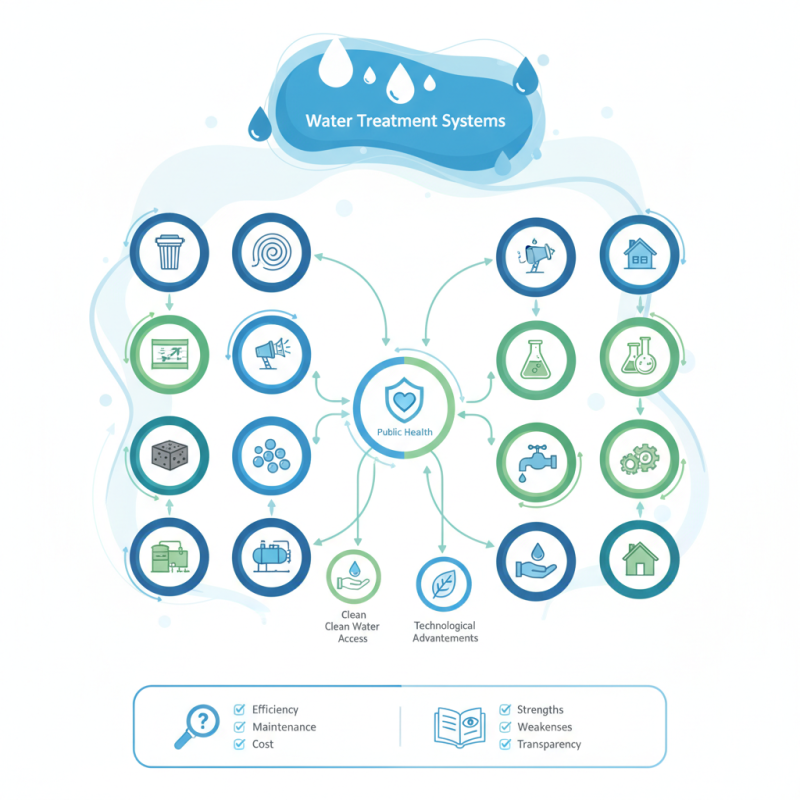
Water treatment systems play a crucial role in ensuring access to clean water. As expert Dr. Emily Brooks states, "Proper water treatment systems protect public health." With various options available, selecting an effective solution can be overwhelming.
In recent years, advancements in technology have transformed the water treatment industry. Innovative systems now address diverse needs, from residential to industrial applications. However, challenges still exist. Some systems may lack efficiency or require significant maintenance. It's essential to consider these factors carefully.
Individuals and organizations need to prioritize transparency in their choices. Understanding each system's strengths and weaknesses is vital. The right water treatment system can lead to a healthier community. It ensures that everyone has reliable access to safe drinking water.
Overview of Water Treatment Systems Available Today
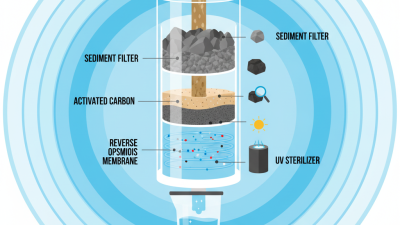
Water treatment systems play a crucial role in ensuring safe water for households and industries. Many options are available today, each catering to different needs and preferences. Among the most popular are reverse osmosis systems, activated carbon filters, and UV purifiers. These systems effectively remove contaminants from water, making it cleaner and healthier.
When choosing a water treatment system, keep a few tips in mind. Consider your water source and its specific contaminants. For instance, well water may require different treatment than municipal water. Test your water to identify impurities. This step is vital before deciding on a system.
Budget also plays a critical role. Systems can vary greatly in price and maintenance costs. Make sure you understand the long-term expenses. Affordable systems might require frequent replacements or repairs. Balance initial costs with long-term reliability. Take time to assess various options before making a choice, as it can impact your health and finances.
Importance of Water Treatment for Health and Environment
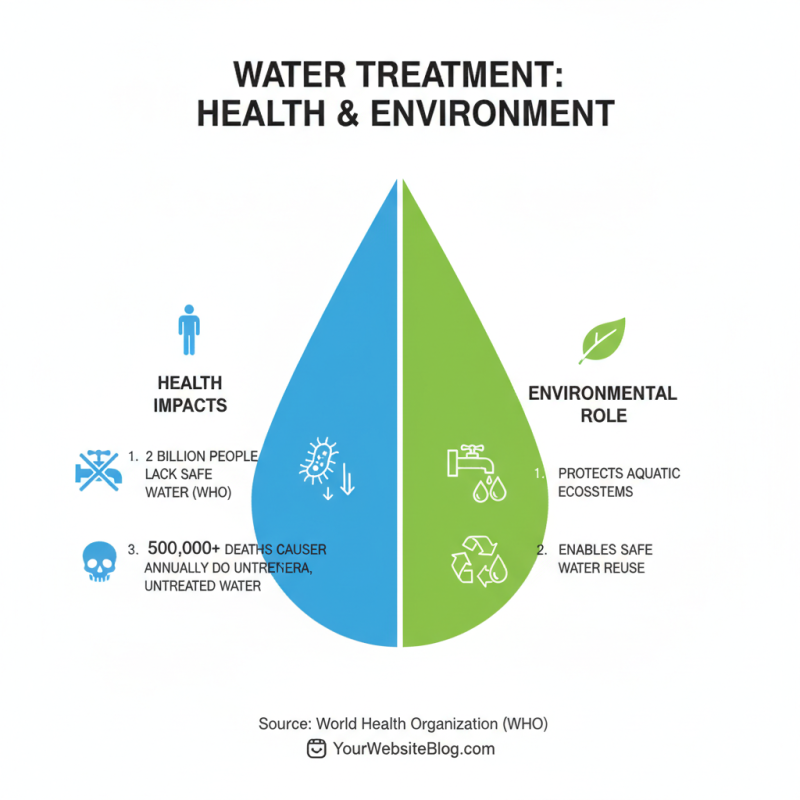
Water treatment is crucial for both health and the environment. According to the World Health Organization, 2 billion people globally lack access to safely managed drinking water. Contaminated water leads to severe health issues, including cholera and dysentery, affecting millions. The consequences of untreated water are dire. In fact, inadequate water treatment contributes to over 500,000 deaths annually.
As industrial activities increase, so do water pollutants. Reports show that nearly 80% of wastewater is released into the environment untreated. This situation endangers ecosystems and human health. Chemicals and pathogens in untreated water can traverse borders. This not only poses local risks but global challenges too.
While technology advances, gaps remain. Many households still rely on inadequate filtration systems, exposing them to contaminants. Urban areas face increased pollution from industrial runoff. Educating the public about the importance of proper water treatment is essential. Every community should advocate for improved water systems. The state of global water quality often forces us to rethink our approach. Investment in sustainable water treatment solutions is not merely beneficial; it’s imperative for future generations.
Key Features to Look for in Water Treatment Systems
When choosing a water treatment system, key features are crucial. First, consider the filtration method. Common types include reverse osmosis, UV treatment, and carbon filters. Each has unique strengths. How effectively do they remove contaminants? Look for systems that provide clear data on their removal rates.
Next, assess capacity. Knowing how much water a system can treat per day is essential. If you have a large household, a system with higher capacity will be necessary. Compact models might suit smaller spaces but may not meet all your needs.
**Tips:** Always check the system’s maintenance requirements. Some may need frequent cartridge changes, increasing costs over time. Look for systems with easy-to-replace filters. A user-friendly design can save time and frustration.
You should also think about the warranty. A longer warranty often indicates a manufacturer’s confidence in their product. But be cautious—shorter terms may suggest potential issues. Try asking questions about their performance and durability.
Lastly, pay attention to customer reviews. They often highlight real-world experiences. This can provide insight into the system’s reliability and effectiveness. Don’t just rely on marketing claims.
Top 10 Water Treatment Systems You Need to Know About
| System Name |
Type |
Key Features |
Capacity (GPD) |
Ideal For |
| Reverse Osmosis System |
RO |
Removes contaminants, easy installation |
50-100 |
Residential |
| Ultraviolet Purifier |
UV |
Kills bacteria, no chemicals used |
30-150 |
Residential/Commercial |
| Activated Carbon Filter |
Carbon |
Improves taste, removes odors |
20-100 |
Residential |
| Water Softener |
Softening |
Reduces hardness, prevents scale |
30-150 |
Residential/Commercial |
| Distillation System |
Distillation |
Removes heavy metals, germs |
20-80 |
Residential |
| Whole House Filtration |
Whole House |
Cleans all water, easy maintenance |
50-300 |
Residential/Commercial |
| Ion Exchange System |
Ion Exchange |
Removes contaminants, softens water |
40-160 |
Residential |
| Ceramic Filter |
Ceramic |
Effective for bacteria, eco-friendly |
5-20 |
Residential |
| Nanofiltration System |
Nanofiltration |
Removes larger particles, selective |
30-150 |
Residential/Commercial |
| Point of Use System |
POU |
Compact, convenient for specific taps |
10-50 |
Residential |
Top 10 Water Treatment Systems Explained
Water treatment systems are essential for ensuring safe drinking water. Numerous systems exist, each tailored to specific contaminants and needs. Among them, reverse osmosis and activated carbon filtering are widely recognized for their effectiveness.
Reverse osmosis (RO) systems remove up to 99% of dissolved solids, including heavy metals and salts. A study by the Water Quality Association indicates that RO can significantly improve water taste and odor. However, these systems can waste water. Moreover, not all contaminants are removed, so regular testing is crucial.
Activated carbon systems are effective in removing chlorine and volatile organic compounds. They enhance the water’s flavor and clarity. Yet, they require frequent replacement of filters. Neglecting this can lead to bacteria growth and reduced performance.
Tips: Regular maintenance is key. Check filters every few months to ensure optimal performance. Always have your water tested to identify specific contaminants. This knowledge helps in choosing the right treatment system for your needs. Remember, while technology plays a big role, your habits can also affect water quality.
Top 10 Water Treatment Systems Explained
This chart represents the effectiveness of different water treatment systems based on their contaminant removal efficiency, measured as a percentage. The data below illustrates the removal efficiency of ten popular water treatment systems.
Comparative Analysis of Different Water Treatment Technologies
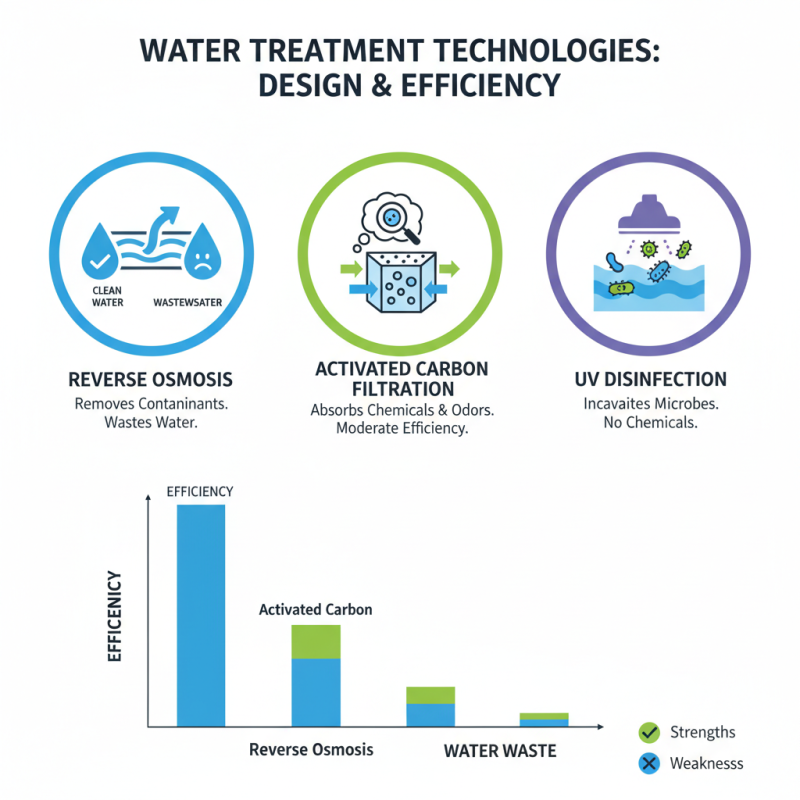
Water treatment technologies vary significantly in design and efficiency. Each system has its unique strengths and weaknesses. For instance, reverse osmosis is effective in removing contaminants, but it can waste water. This process forces water through a semi-permeable membrane. The resulting filtrate is clean, yet the system generates a considerable amount of wastewater.
UV disinfection is another method worth considering. It uses ultraviolet light to kill bacteria and viruses. However, this system may not remove chemical contaminants effectively. It targets living organisms, but it doesn't handle pollutants well. Activated carbon filtration excels in reducing chlorine and improving taste, but it has limitations. Over time, the media can become saturated and lose its effectiveness.
Overall, selecting the right water treatment system requires careful consideration. You need to analyze your water quality and specific needs. No single solution fits all. It's essential to explore and understand the potential shortcomings of each technology, ensuring the best choice for your situation.