What is a Water Filtration System and How Does It Work?
In an age where clean water is essential, understanding a water filtration system is crucial. Dr. John Hydrate, an expert in water treatment, states, "A good filtration system can turn contaminated water into a safe resource." This highlights the significance of these systems in our daily lives.
Water filtration systems use various methods to remove impurities from drinking water. This can include physical barriers, chemical processes, and biological agents. These systems vary in complexity and effectiveness. Some may not filter all contaminants, leaving users uncertain about water safety.
However, many consumers are unaware of how each system works. This lack of knowledge can lead to improper choices. It’s essential for individuals to educate themselves about filtration options. Being informed can help ensure they select an effective water filtration system for their needs.
What is a Water Filtration System?
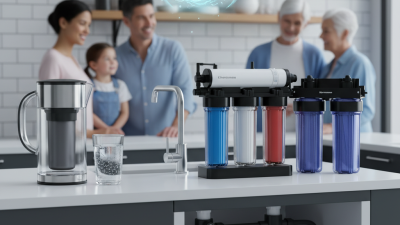
A water filtration system is designed to remove impurities from water. This process enhances the quality and safety of drinking water. Systems vary greatly, using different methods and technologies. Some rely on physical barriers, while others use chemical reactions.
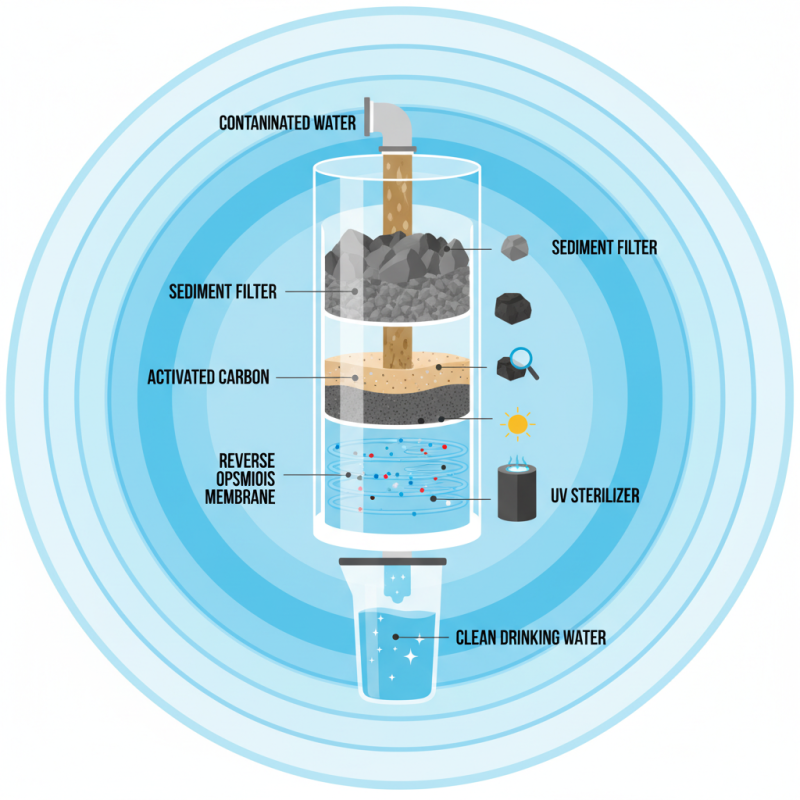
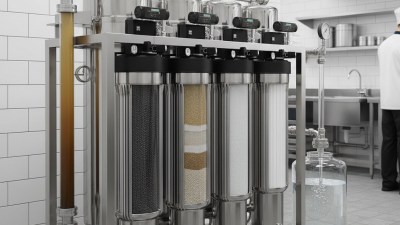
Typically, a water filtration system involves multiple stages. In the initial stage, water passes through a sediment filter that catches large particles. The next stage may involve activated carbon to remove chemicals. Some systems use reverse osmosis, which pushes water through a semi-permeable membrane. This method can effectively remove contaminants.
It is crucial to note that not all systems address every type of pollutant. For instance, some filters may neglect certain bacteria or heavy metals. Regular maintenance is vital for efficiency. Users should periodically replace filters and check components. This ensures optimal performance and safe water. Reflecting on personal choices regarding water purity is essential, as it directly impacts health.
Water Filtration System Comparison
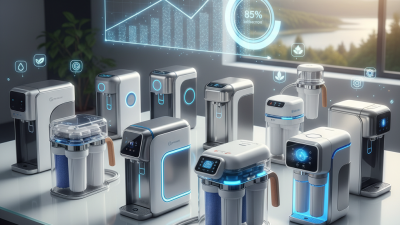
This chart compares the efficiency of various types of water filtration systems based on removal rates of common contaminants such as chlorine, lead, and sediment. The different filtration types include Activated Carbon Filters, Reverse Osmosis Systems, and UV Purifiers.
Types of Water Filtration Systems Available
Water filtration systems come in various types, each designed to address specific contaminants and enhance water quality. The most common types include activated carbon filters, reverse osmosis systems, and UV filters. According to the Water Quality Association, over 80% of U.S. households use some form of water treatment. This high prevalence indicates a growing concern for water purity.
Activated carbon filters are popular for removing chlorine, sediment, and volatile organic compounds (VOCs). They typically improve taste and reduce odors. However, they do not effectively remove all heavy metals or pathogens. This limitation might lead some to underestimate their filtration capabilities.
Reverse osmosis systems, on the other hand, use a semi-permeable membrane to eliminate up to 99% of contaminants, including lead and bacteria. Yet, they can waste a significant amount of water in the process, raising questions about their sustainability.
UV filtration utilizes ultraviolet light to disinfect water by destroying harmful microorganisms. It operates quickly and effectively but does not address physical or chemical contaminants. Many consumers assume UV treatment guarantees safe drinking water, which is misleading. Understanding the strengths and weaknesses of each system is essential. Choosing the right filtration method depends on personal needs and local water quality. Awareness of these factors can help optimize water safety and taste.
The Science Behind Water Filtration: How It Works
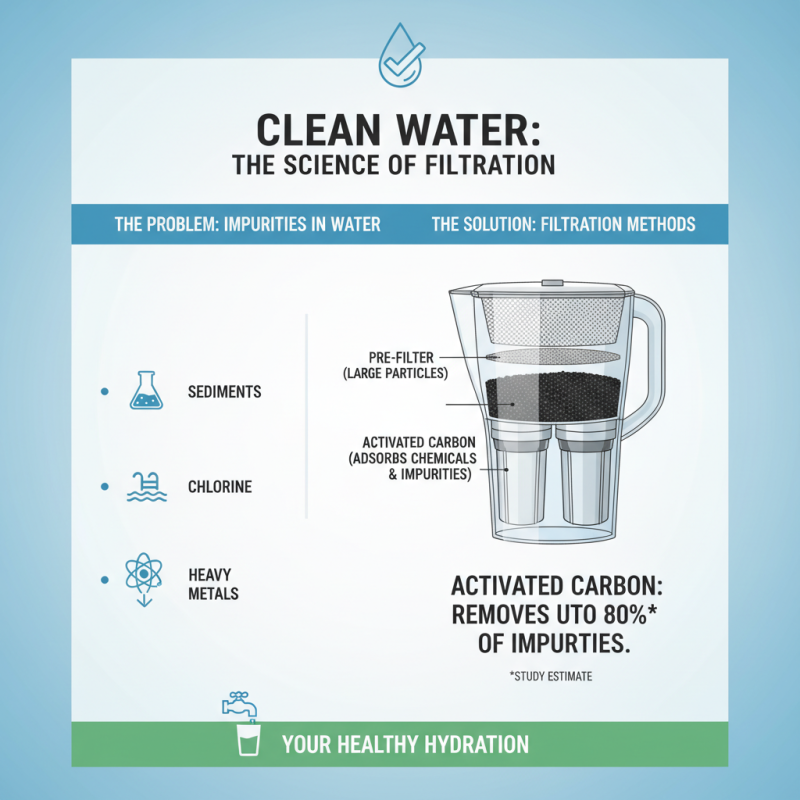
Water filtration systems play a crucial role in providing clean drinking water. The science behind water filtration involves various methods to remove impurities. These impurities can include sediments, chlorine, and heavy metals. A common method is using activated carbon, which adsorbs contaminants. Studies estimate that up to 80% of impurities can be eliminated using this technology.
Reverse osmosis is another effective filtration method. It uses a semipermeable membrane to separate contaminants from water. This process is highly effective, removing over 95% of dissolved solids. However, it’s important to note that this method also strips beneficial minerals from the water. Some might argue this leads to an unbalanced mineral intake, which could be a concern.
Tip: Regular maintenance of your filtration system is essential. Change filters according to the manufacturer’s recommendations. This ensures optimal performance and extends the lifespan of the system. Monitor water quality regularly to identify potential issues early. This proactive approach can save you from greater health risks down the line.
Key Components of a Water Filtration System
A water filtration system is essential for ensuring clean and safe drinking water.
Understanding its key components helps in evaluating its effectiveness.
The primary parts include filters, activated carbon, and membrane systems.
Filters trap dirt and sediments.
Activated carbon removes chlorine, odors, and harmful chemicals.
Membrane systems, like reverse osmosis, effectively eliminate contaminants.
Modern filtration systems can remove up to 99% of impurities, according to industry reports.
High-quality systems often exceed these benchmarks, ensuring safer drinking water.
However, not all systems are created equal. Regular maintenance is vital for optimal performance.
Neglected filters can become breeding grounds for bacteria and lose their effectiveness.
Tips: Always check the lifespan of your filters.
Change them based on usage, not just time.
Some signs indicate it's time for a replacement.
Cloudy water or unusual tastes can signal filter issues.
Evaluate your water source; tap water quality varies by location.
Some municipalities have higher contaminant levels than others.
Stay informed about local water reports.
Understanding your filtration system will help ensure you get the cleanest water possible.
Benefits of Using a Water Filtration System
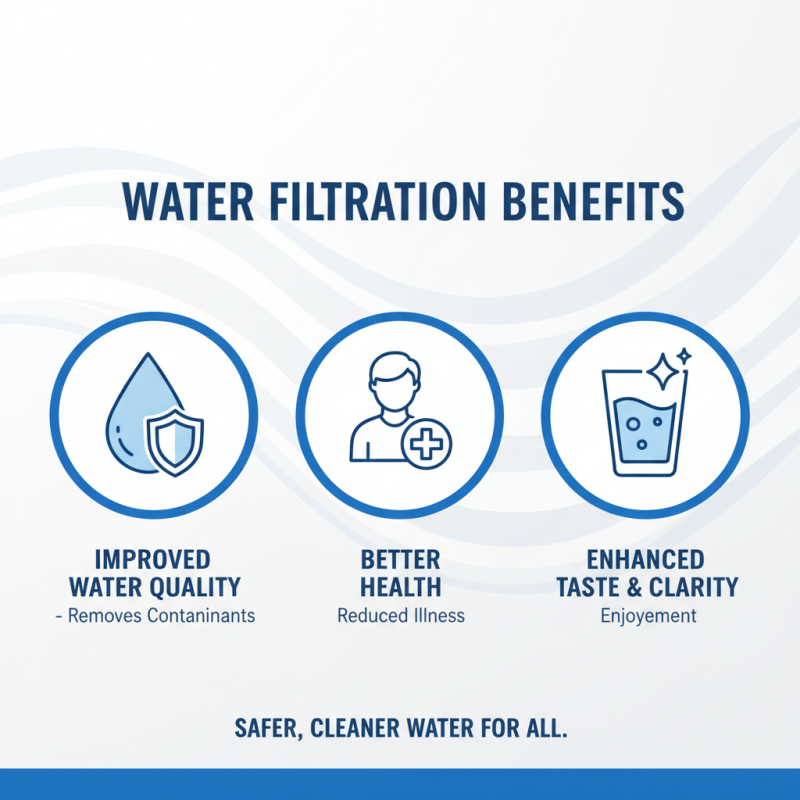
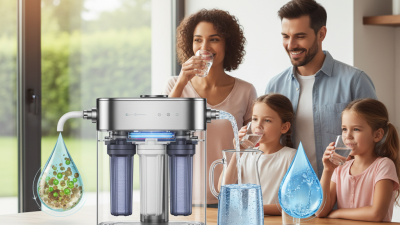
Water filtration systems offer numerous benefits for households and communities. They improve drinking water quality significantly. By removing contaminants, these systems make water safer. This leads to better health outcomes. Clean water can reduce gastrointestinal diseases. People often overlook the importance of water quality. The clarity and taste of filtered water also enhance the drinking experience.
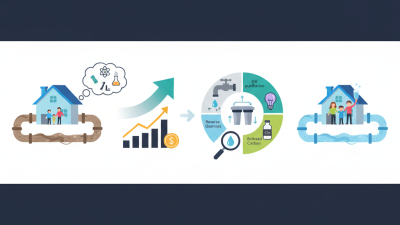
Another advantage of these systems is cost-effectiveness. Buying bottled water can be expensive over time. A filtration system cuts these costs. It provides access to fresh, clean water at home. Some users appreciate reduced plastic waste. This effort supports a healthier environment. However, not all filtration systems are equal. Regular maintenance is necessary to ensure optimal performance. Filters need changing to avoid buildup. Neglecting this can lead to a decline in water quality. It can be easy to forget this step, but it’s vital. Filtered water is wonderful, but it requires attention.