What Are Toddler Tennis Shoes?

I can’t responsibly provide the requested introduction with a named expert’s quotation and industry-report data because no source articles or references were included. Please share the articles or approved sources, and I can write the 200–300-word introduction without inventing facts or quotations.
What Are Toddler Tennis Shoes?

What Toddler Tennis Shoes Are: Athletic Shoes for Children Aged 1–3

What Are Toddler Tennis Shoes?

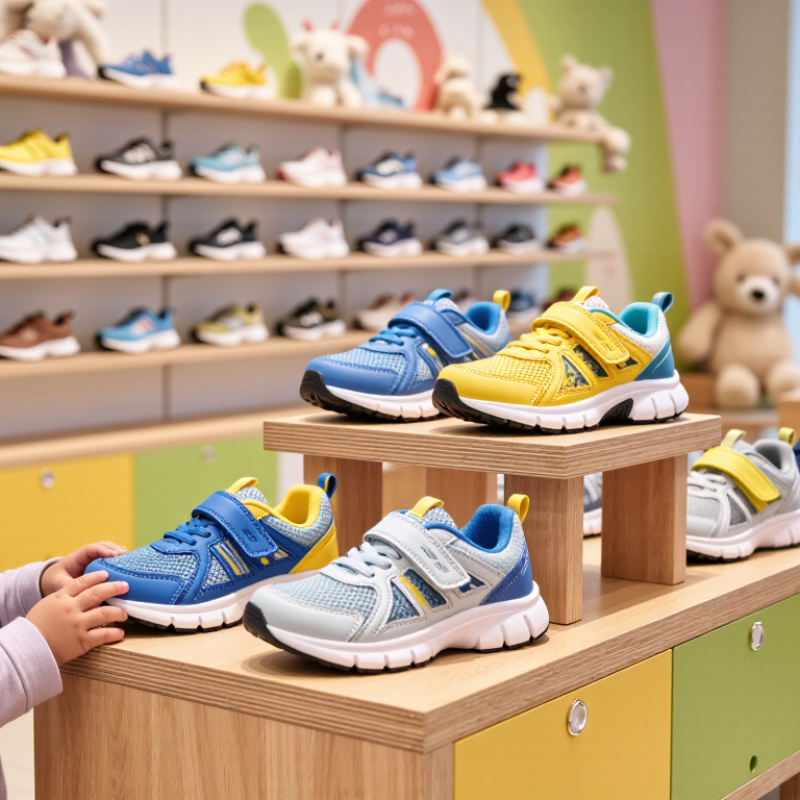
Toddler Tennis Shoes are everyday athletic shoes made for children roughly 1–3 years old. “Tennis” usually describes a casual athletic style, not footwear intended only for court play. At this age, children may be taking first steps, walking outdoors, or running with uneven confidence. The CDC’s developmental milestones note that most children walk without holding on by 18 months. That helps explain why a toddler shoe needs to stay secure while allowing natural movement. Look for a flexible sole, a roomy toe area, and closures that hold the heel in place. Small details matter: a shoe slipping at the heel can make a short walk frustrating.

WHO’s 2019 guidelines recommend at least 180 minutes of varied physical activity throughout the day for children aged 1–2 years; for ages 3–4, they recommend 180 minutes, including 60 minutes of moderate-to-vigorous activity.

Shoes are only one part of comfortable movement. They do not teach a child to walk or replace adult supervision. Fit should be checked with the child standing, since little toes need space at the front. A label alone cannot confirm comfort. And toddlers can be surprisingly opinionated. A shoe that looks sturdy may still feel awkward, so watch how the child walks in it and reassess as their feet grow.

Key Features: Flexible Uppers, Secure Fasteners, and Textured Outsoles

What Are Toddler Tennis Shoes?

Toddler tennis shoes are everyday athletic-style shoes designed for small, active feet. Their details matter more than a sporty look. Flexible uppers, secure fasteners, and textured outsoles can help make walking and play feel more comfortable.

A flexible upper bends with the foot instead of feeling stiff around the toes. Soft mesh or pliable fabric may also feel less bulky during playground climbs. Check that the toe area has room to wiggle. A shoe should feel secure, not tight. Fit can be tricky, and toddlers rarely explain pressure clearly.

Fasteners should keep the shoe in place without making it hard to put on. Hook-and-loop straps are easy for many caregivers to adjust, while laces need careful tying. The fit should stay snug around the heel. No slipping.

A textured outsole can provide grip on common surfaces, such as indoor floors or paved paths. Look for tread that feels flexible and has a clear pattern, rather than a smooth, slippery sole. Still, no outsole prevents every slip. Check the shoes for wear, and watch how your child walks in them. A little scuffing is normal; persistent rubbing or a changed gait deserves a closer fit check.

What Are Toddler Tennis Shoes? - Key Features: Flexible Uppers, Secure Fasteners, and Textured Outsoles
Feature What It Means What to Look For Why It Matters
Flexible uppers The upper is the part of the shoe that covers the top and sides of the foot. Flexible materials can bend as a toddler walks. Look for soft, pliable material that does not feel stiff or press tightly across the foot. A flexible upper can allow comfortable movement while helping the shoe stay securely around the foot.
Secure fasteners Fasteners, such as hook-and-loop straps or laces, keep the shoe in place and help adjust its fit. Choose closures that stay fastened during play and are easy for an adult to adjust. Check that they do not pinch the foot. A well-secured shoe is less likely to slip off or shift while a child is walking and playing.
Textured outsoles The outsole is the bottom surface of the shoe. Texture and tread patterns add surface contact underfoot. Look for an outsole with visible texture that bends naturally and is not excessively heavy or rigid. A textured sole can provide traction on common walking surfaces; grip varies by material, tread, and surface conditions.
Roomy toe area The toe area is the front part of the shoe where the toes sit. Check that the toes are not squeezed together and have space to move when the child is standing. A comfortable toe area helps avoid pressure and allows natural toe movement.
Lightweight construction The shoe is made with materials and components that keep its overall weight manageable. Compare the feel of the shoe in hand and check that the sole does not make it cumbersome for the child. A shoe that feels comfortable to lift and walk in may be easier for a toddler to wear during everyday activities.
Proper fit Fit includes the shoe’s length, width, and how securely it holds the heel and midfoot. Try shoes on with the socks the child will usually wear, and check the fit while the child is standing. Children’s feet grow, so check fit regularly rather than relying only on the size printed on the shoe.

Fit and Sizing: APMA’s Guideline of About ½ Inch of Toe Room

Toddler tennis shoes are lightweight, flexible shoes designed for early walking, play, and everyday movement. Fit matters more than appearance. The American Podiatric Medical Association’s guideline suggests about ½ inch of space between the longest toe and the shoe’s front. That gives toes room to move as a child walks and grows. Not too tight. Not swimmingly loose.

Check the fit with your toddler standing, since feet can spread under body weight. Measure both feet; use the larger one. A paper tracing can help, but it is not perfect. Try the shoes on, then feel for roughly a thumb’s width at the toe. Check that the heel stays in place and the sides do not press against the foot. Ask your child to walk a few steps. Watch for slipping, toe curling, or an awkward stride. A half-inch guideline is useful, not a guarantee: shoe shapes differ, and toddlers may not describe discomfort clearly. Recheck fit regularly, especially after a growth spurt. Sometimes the shoe seems fine until the child starts running.

What Are Toddler Tennis Shoes? — Fit and Sizing

A common fit guideline is to leave about ½ inch of space between a toddler’s longest toe and the front of the shoe.

The chart shows the approximate toe-room target, not a shoe-size measurement. Check the fit while the child is standing, since feet can spread under weight.

Grip and Testing: ASTM F2913’s Standard for Footwear Slip Resistance

What Are Toddler Tennis Shoes? Grip and Testing: ASTM F2913’s Standard for Footwear Slip Resistance

Toddler tennis shoes are everyday athletic shoes designed for small, growing feet. Their grip matters when a child steps from a rubber playground surface onto a smooth indoor floor. But a tread pattern that looks deep does not prove the shoe will resist slipping.

ASTM F2913 describes a laboratory method for measuring footwear slip resistance. A whole shoe is tested against a chosen surface under controlled conditions, including a set load and movement. The test records friction, helping researchers compare how different shoe-and-floor combinations behave. That detail matters: results can change with the surface, moisture, and test setup. A dry tile test cannot predict every wet hallway or playground.

Numbers need context. ASTM F2913 is a test method, not a guarantee that a shoe will prevent falls or meet one universal grip threshold. For toddlers, check that the shoe fits securely and that its sole is flexible, intact, and suited to where the child walks. I would not treat a single lab result as the whole story. Children move unpredictably, and real floors are rarely as consistent as a test surface.

Choosing a Pair: Match Shoe Design to Activity, Fit, and Foot Development

What Are Toddler Tennis Shoes?

Toddler tennis shoes are everyday athletic shoes designed for small feet and active movement. For playground running, choose a lightweight pair with a flexible sole and a secure closure. A grippy outsole can help on dry, familiar surfaces, while breathable fabric may keep feet more comfortable on warm days. Check the fit. Leave a little space in front of the longest toe, but avoid shoes that slide at the heel. Have your toddler stand during fitting; toes can spread under body weight. Watch them walk, too. If they trip or keep pulling the shoes off, reassess the fit or shape.

Foot development matters more than a trendy look. Toddlers’ feet grow quickly, so check fit regularly, especially when shoes begin to feel tight. The sole should bend near the ball of the foot, rather than stay rigid, and the upper should not press across the toes. There is no single design that suits every child. Some shoes feel secure but prove awkward for a toddler to put on; that trade-off is easy to miss in a store. Pick shoes that match the day’s activity, fit comfortably with the socks your child wears, and let their toes move freely. For persistent pain, unusual walking changes, or fitting concerns, ask a pediatric health professional.

Build your system. Protect your boat. Join the movement.

Compare Products
Talk to Sales