What Is a US DDP Freight Forwarder?
A US DDP Freight Forwarder manages more than transportation. It coordinates export handling, ocean or air freight, US customs entry, duties, taxes, and final delivery. Under DDP terms, the seller generally carries these costs and risks until the shipment reaches the agreed destination. That promise sounds simple. The process is not.
Martin Christopher, a respected logistics scholar, states, “Supply chains compete, not companies.” His observation explains why DDP performance depends on coordinated partners. A capable US DDP Freight Forwarder checks commercial invoices, packing lists, product descriptions, and destination details before departure. It also monitors milestones, from warehouse loading to customs release. A missing tariff classification can delay a pallet beside a busy terminal gate. A wrong consignee address can create extra storage and redelivery charges.
This service can simplify international trade for sellers and buyers. It offers one operational contact and clearer landed-cost planning. However, DDP does not remove every responsibility. Product eligibility, accurate declarations, importer information, and destination requirements still need careful review. Rules and charges can change. A forwarder cannot repair incomplete data with confidence.
This article introduces the role, workflow, pricing structure, and selection criteria for a US DDP Freight Forwarder. It also examines common weaknesses, including vague quotes, unclear tax assumptions, and limited shipment visibility. Experience matters here. So does humility. Even experienced teams can overlook a small detail. The safest approach combines written responsibilities, realistic transit estimates, documented compliance checks, and regular communication. Good logistics is rarely dramatic. It is visible when nothing goes wrong.
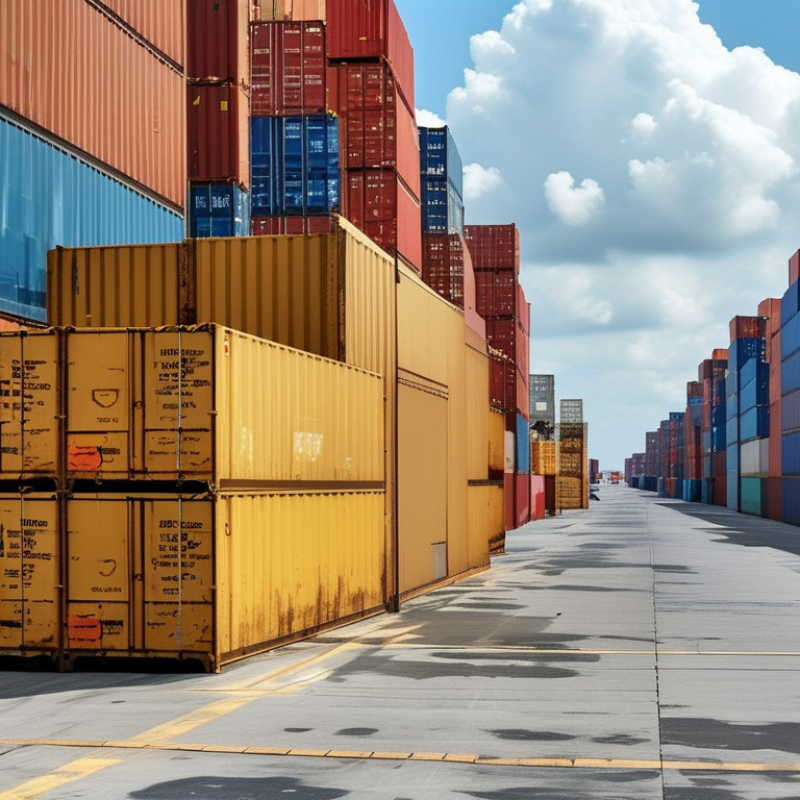
Definition and Core Role of a US DDP Freight Forwarder
What Is a US DDP Freight Forwarder?
Definition and Core Role of a US DDP Freight Forwarder
A US DDP freight forwarder manages shipments under Delivered Duty Paid terms. It coordinates transport, customs entry, import duties, and delivery to the agreed US address. The seller usually bears these costs and risks until the goods arrive. This creates one clear landed cost for the buyer.
The forwarder checks commercial invoices, packing lists, product descriptions, and declared values before shipment. It may arrange ocean, air, rail, or domestic trucking services. At the US border, its customs specialists support entry filing and duty calculation. They also confirm whether the shipment needs permits or additional documents. Small errors matter. A missing unit of measurement can delay release.
In practice, DDP is not completely automatic. The responsible party must provide accurate product data and identify the proper importer of record. The forwarder can coordinate this role, but responsibilities must be written clearly in the service agreement. US customs duties and local tax obligations may also differ by product and destination. DDP does not remove every compliance question.
Experienced forwarders track milestones from warehouse pickup to final delivery. They review tracking exceptions, examine unexpected customs requests, and communicate changes quickly. A practical shipment file should show freight charges, duty estimates, clearance fees, and delivery costs. The process can still have weak points. Transit times change, documents need correction, and estimates are not guarantees. Careful review remains essential.
What Is a US DDP Freight Forwarder? - Definition and Core Role of a US DDP Freight Forwarder
| Business Dimension | Definition or Responsibility | Typical DDP Arrangement in the United States | Important Practical Consideration |
|---|---|---|---|
| Meaning of DDP | Delivered Duty Paid is an Incoterms® rule under which the seller arranges delivery to the named destination and bears the costs and risks up to that point. | The seller generally coordinates international transport, import clearance, applicable duties and taxes, and delivery to the agreed U.S. location. | The sales contract should identify the exact named place, because cost and risk obligations depend on that location. |
| Core Role of the Forwarder | A DDP freight forwarder plans, coordinates, and monitors the shipment across transportation, customs, and delivery stages. | The forwarder may act as the seller’s logistics coordinator while working with carriers, customs professionals, brokers, warehouses, and final-mile providers. | A forwarder does not automatically assume every legal obligation of the seller; responsibilities must be confirmed in the service agreement. |
| Origin Pickup | Collection of the goods from the supplier or agreed origin location. | The forwarder arranges pickup, export transport, shipment documentation, and handover to the international carrier. | Cargo dimensions, weight, packaging, pickup address, and readiness date affect the quotation and routing. |
| Export Clearance | Completion of procedures required to legally export the goods from the origin country. | The forwarder helps prepare commercial and transport documents and coordinates export filing where required. | Incorrect product descriptions, values, or export-control information can delay departure. |
| International Transportation | Movement of the shipment from the origin country to the United States by air, ocean, rail, road, or a multimodal combination. | The forwarder selects a routing and books transport according to the required delivery time, cargo profile, and budget. | Transit time is normally an estimate and can be affected by congestion, weather, inspections, or carrier schedules. |
| U.S. Import Clearance | The process of presenting the shipment to U.S. Customs and Border Protection and satisfying applicable entry requirements. | The responsible party arranges entry documentation, tariff classification support, customs communication, and payment of applicable import charges. | The importer of record remains legally important and must be identified correctly; a forwarder cannot erase the importer’s compliance responsibilities. |
| Duties and Import Taxes | Government charges assessed on imported goods, based on factors such as classification, customs value, origin, and applicable trade measures. | Under DDP, the seller generally bears these charges when they are legally payable and included within the agreed scope. | The actual amount can change if customs reclassifies the goods, applies additional measures, or requests a different valuation. |
| Regulatory Compliance | Compliance with product, safety, labeling, documentation, import, and other applicable U.S. requirements. | The forwarder identifies documentation needs and coordinates with the seller, importer, broker, and relevant authorities. | The forwarder’s logistics service does not guarantee that a product is legally admissible or compliant with every agency requirement. |
| U.S. Warehousing and Handling | Temporary storage, unloading, inventory handling, order preparation, or cargo consolidation after arrival. | These services may be added when the shipment requires storage, inspection, transloading, repacking, or distribution support. | Storage duration, handling activities, and accessorial fees should be listed separately in the quotation. |
| Final-Mile Delivery | Transportation from the U.S. arrival point, warehouse, or distribution facility to the named delivery destination. | The forwarder arranges delivery to the agreed address, which may be a business, residence, fulfillment facility, or other location. | Liftgate service, appointment delivery, residential access, remote-area delivery, and inside placement may incur additional charges. |
| Shipment Visibility | Tracking and status communication throughout the shipment lifecycle. | The forwarder provides milestones such as pickup, departure, arrival, customs status, release, and delivery confirmation when available. | Tracking detail depends on the carrier, transport mode, customs system, and technology used by the service provider. |
| Pricing Structure | The total logistics price may combine transportation, clearance, duties, taxes, handling, and delivery charges. | A DDP quotation is commonly presented as an end-to-end landed-cost estimate for the stated cargo and destination. | The quotation should state inclusions, exclusions, validity period, currency, assumed classification, and possible destination surcharges. |
| Risk Transfer | Risk allocation determines which party bears the risk of loss or damage at each stage of transport. | Under DDP, the seller generally bears risk until the goods are made available at the named destination, ready for unloading. | DDP does not automatically equal cargo insurance; insurance coverage, claims procedures, and liability limits should be agreed separately. |
Note: DDP obligations should be reviewed together with the applicable Incoterms® rule, the sales contract, customs requirements, and the forwarder’s written service terms.