Why Are Shipping Containers So Expensive?
A Shipping Container can look like a simple steel box, yet its price reflects far more than the metal you see. Manufacturing requires steel, skilled labor, factory equipment, and quality checks. Prices can also shift with steel costs, container availability, and demand for cargo space. A new, one-trip container usually costs more than a used unit because it has made fewer journeys and often shows less wear. Still, “used” covers a wide range of conditions. A clean exterior may hide a damaged floor, stiff doors, or rust near the seams.
Location matters, too. A container stored near a major port may cost less to source than one far inland, but delivery can change the total quickly. Truck distance, lifting equipment, road access, and ground preparation may all appear on the final quote. Small details matter. A narrow driveway or soft ground can complicate placement. That is only part.
Buyers comparing prices should check what each quote includes: container condition, delivery, unloading, taxes, and any requested modifications. Ask for clear photos and details about door operation, floor condition, and visible corrosion. These checks cannot guarantee a perfect unit, but they make comparisons more reliable. It is tempting to treat the lowest price as the best deal. Not always. The honest answer is that shipping containers have no single standard price; condition, size, location, and timing all shape the cost. A little uncertainty remains, especially when stock changes quickly. That deserves a closer look before committing.
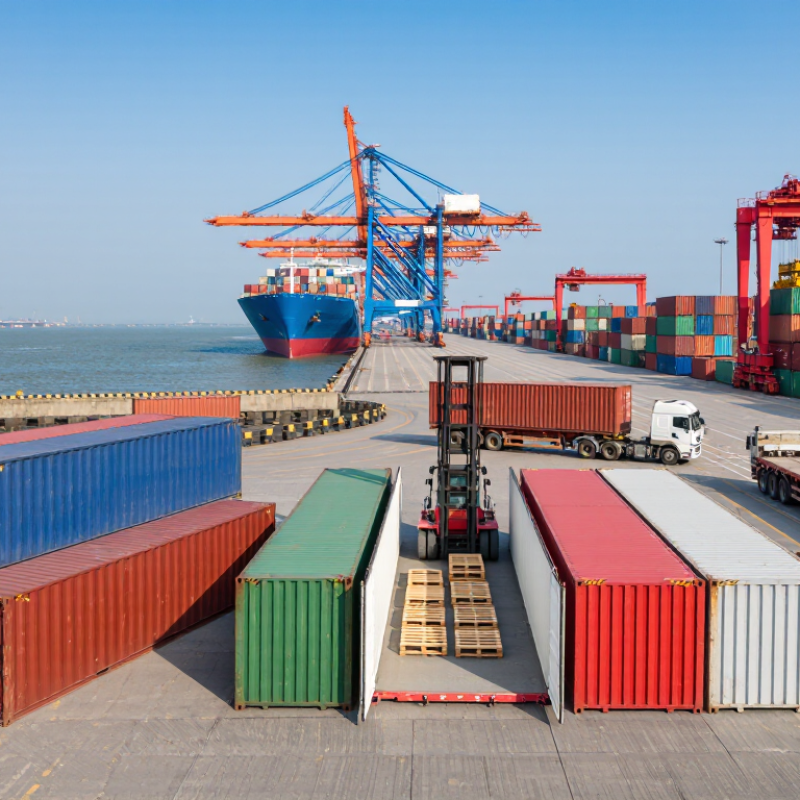
What Drives a New 20-Foot Container’s $2,000–$4,000 Price?
A new 20-foot container often costs between $2,000 and $4,000, but that range is only a guide. The final quote depends on where it is built, what it includes, and how far it must travel. There is no single worldwide price.
Steel is a major cost. A container needs strong, corrugated steel walls, a durable frame, and doors that seal tightly. The floor, hinges, locking bars, welding, and protective coating add materials and labor. Small details matter. A poorly aligned door can cause trouble long after delivery.
Manufacturing costs also reflect energy, wages, factory capacity, and the price of moving heavy units to a port or buyer. Freight and local delivery can noticeably raise the amount paid, even when the container’s base price seems reasonable. Specifications matter, too: a standard new unit may cost less than one with upgraded flooring or added features. It is tempting to blame steel alone, but that explanation misses labor and transport. And online prices can be confusing. Some include delivery; others do not. A careful comparison should check the condition, included features, and delivery terms before treating two quotes as equivalent.
Why Are Shipping Containers So Expensive?
Estimated cost breakdown for a new 20-foot container at a representative $3,000 midpoint price.
Steel panels and the structural frame make up the largest estimated share. Welding labor, flooring, doors and hardware, protective coatings, factory overhead, and seller operating costs also contribute. New 20-foot container prices commonly vary from about $2,000 to $4,000 depending on market, specifications, availability, and location; these illustrative component estimates are not a supplier quote and exclude delivery and taxes.
How Steel and a Typical 2.2-Tonne Tare Weight Shape Costs
A shipping container may look like a simple steel box, but its material bill is substantial. A typical empty 20-foot container has a tare weight of about 2.2 tonnes, though design and fittings can change the figure. That weight reflects more than broad wall panels: the frame, corner castings, doors, and floor all need to withstand lifting and repeated handling. The steel is shaped and welded, then treated to resist weather and corrosion. Small details matter. A heavy door, for example, must still open and close reliably after years of use.
It is tempting to blame steel alone; that explanation is incomplete. Fabrication, protective coatings, quality checks, and moving an empty container to where it is needed also add cost. The 2.2-tonne tare weight is not cargo capacity, but it hints at the amount of material that must be made, handled, and transported. Steel prices and freight rates shift, while location, age, and condition affect the asking price. New containers generally cost more than used ones, but a low price can reflect wear that is easy to miss in a quick inspection. I would not treat one weight or price as universal. Container specifications vary, and that is worth checking before comparing quotes.
How ISO 668 Dimensions and CSC Safety Rules Add Manufacturing Costs
Why Are Shipping Containers So Expensive?
ISO 668 standardizes key container dimensions and ratings, so units can fit ships, railcars, and handling equipment. That consistency takes precision. Builders must control frame geometry, corner castings, door openings, and floor levels. Even small deviations can complicate lifting or stacking. Steel must also withstand repeated loads, impacts, and weather exposure. The specification can feel unforgiving, but dependable interchange matters.
Tips: When comparing prices, check the container’s dimensions, payload rating, condition, and documentation. A lower price may reflect repairs or missing inspection records.
CSC safety requirements add another layer of cost. Manufacturers design and test containers to meet structural safety criteria, then document approved construction and mark the unit with its safety plate. This requires suitable materials, skilled welding, quality checks, and testing—not just extra paperwork. Buyers should verify that the plate and records match the container. Details can be easy to overlook. A compliant build costs more, though it can reduce problems during handling and transport. Still, standards alone do not guarantee good workmanship; that distinction deserves attention.
Why Drewry’s 2021 WCI Peak of $10,377 per 40-Foot Box Mattered
In 2021, a widely followed container-rate index reached $10,377 for a 40-foot shipment. That figure was a freight benchmark, not the purchase price of a steel container. The distinction matters. A shipper booking one box could face a very different quote, depending on route, timing, and available space.
The peak captured an exceptional imbalance. Goods demand surged while port congestion and schedule delays kept containers and vessel capacity in the wrong places. Imagine a loaded box waiting near a crowded terminal, while an exporter elsewhere cannot find an empty one. Costs rose quickly, and planning became harder. The index made that pressure visible in a single number.
But $10,377 was not a universal bill. It reflected a composite of selected shipping routes and market conditions, not every contract or shipment. Some customers had longer-term agreements; others needed space on the spot market. Timing could change the quote sharply. A headline number is useful, but it can flatten those differences. Even so, the peak remains a clear marker of how fragile shipping costs can become when demand, equipment, and schedules fall out of balance.
How Trade Imbalances and Empty-Box Repositioning Affect Local Prices
A container’s local price depends partly on where the box needs to go next. A port importing far more goods than it exports can accumulate empty containers, while an export-heavy port may face a shortage. The World Shipping Council has estimated that about 20% of container movements are empty. That costs money. Carriers and depots still pay for handling, storage, and transport when a box travels without cargo.
The imbalance shows up in practical ways: an exporter may find fewer boxes available nearby, or pay extra to move one from another depot. UNCTAD’s Review of Maritime Transport 2024 reports that global container-port throughput reached 858.8 million TEU in 2023. That scale helps explain why small regional mismatches can affect local availability, though throughput alone does not prove why a specific price rises. Empty-box repositioning is only part of the story; seasonality, equipment type, and port congestion also matter. The explanation is useful, but incomplete. A standard dry box may be plentiful while refrigerated units remain scarce, even in the same city.
Why Are Shipping Containers So Expensive? — How Trade Imbalances and Empty-Box Repositioning Affect Local Prices
| Dimension | Typical data or pattern | How it can affect local container prices |
| 20-foot Dry Container | Typical external dimensions are about 6.06 m long, 2.44 m wide, and 2.59 m high. Internal volume is commonly around 33 m³. | A standard size with broad use, but local availability still depends on how many units are positioned nearby. |
| 40-foot dry container | Typical external dimensions are about 12.19 m long, 2.44 m wide, and 2.59 m high. Internal volume is commonly around 68 m³. | Greater capacity can make this size attractive for cargo, but demand can exceed nearby supply during busy periods. |
| Trade-flow imbalance | A port or region may receive more loaded containers than it sends out, or send out more than it receives. | The surplus location may have more empty boxes available; the deficit location may face tighter supply and higher local prices. |
| Empty-box repositioning | Empty containers are moved to locations where exporters or other customers need equipment. | Transport, handling, storage, and equipment-use costs can be reflected in the price or availability offered locally. |
| Repositioning distance and handling | Moving a box between ports or inland depots requires transport and may involve lifting, yard storage, and documentation. | Longer or more complex moves generally add cost compared with using a suitable container already nearby. |
| Port and depot availability | Usable supply depends on equipment being in the right place, in serviceable condition, and available when needed. | A shortage of the required size or condition can raise prices even when containers exist elsewhere. |
| New-container production costs | Manufacturing requires steel, other materials, labor, factory capacity, and transport to distribution points. | Higher input or delivery costs can increase replacement costs and influence prices for new and used units. |
| Condition and age | Prices vary with structural condition, weather tightness, repair needs, and suitability for the intended use. | A serviceable unit typically costs more than one requiring repairs; “used” does not describe a single price category. |
| Local demand and timing | Demand can rise around seasonal shipping peaks, export surges, or disruptions to transport and port operations. | When demand rises faster than local supply can respond, buyers may pay more or wait longer for a suitable box. |
Note: Container dimensions are typical approximate figures; specifications vary by unit and manufacturer. Local prices also depend on size, condition, availability, transport, and timing.