Why Choose a Video Entry Phone for Global Security?
When visitors approach a building, uncertainty can begin at the entrance. A Video Entry Phone creates a clearer, safer exchange before access is granted. Residents or staff can see faces, hear voices, and communicate without opening the door. This simple interaction matters in homes, offices, schools, clinics, and apartment buildings. It can also support people with limited mobility or hearing challenges, when audio and visual features are designed thoughtfully.
A strong system combines a visible camera, reliable two-way audio, controlled unlocking, and useful mobile access. Installers should consider lighting, weather exposure, wall materials, network strength, and emergency power. A camera facing a dark corridor may produce poor evidence, even when its specifications look impressive. Local privacy expectations also deserve careful attention. Clear notices, limited recording, and sensible data retention can build trust. Strong encryption helps. No device is perfect.
Global deployment requires more than a familiar brand name. Buyers should examine product testing, software update practices, warranty coverage, and technical support in each region. Compatibility with existing access systems can prevent expensive replacement work. Support teams should provide practical guidance, not only promotional promises. Feedback from installers and daily users often reveals weaknesses that brochures miss. A reliable Video Entry Phone should remain understandable during a rushed delivery, a rainy evening, or a network interruption. Security becomes stronger when technology, people, and procedures work together. That balance deserves honest review.
What Is a Video Entry Phone and How Does It Work?
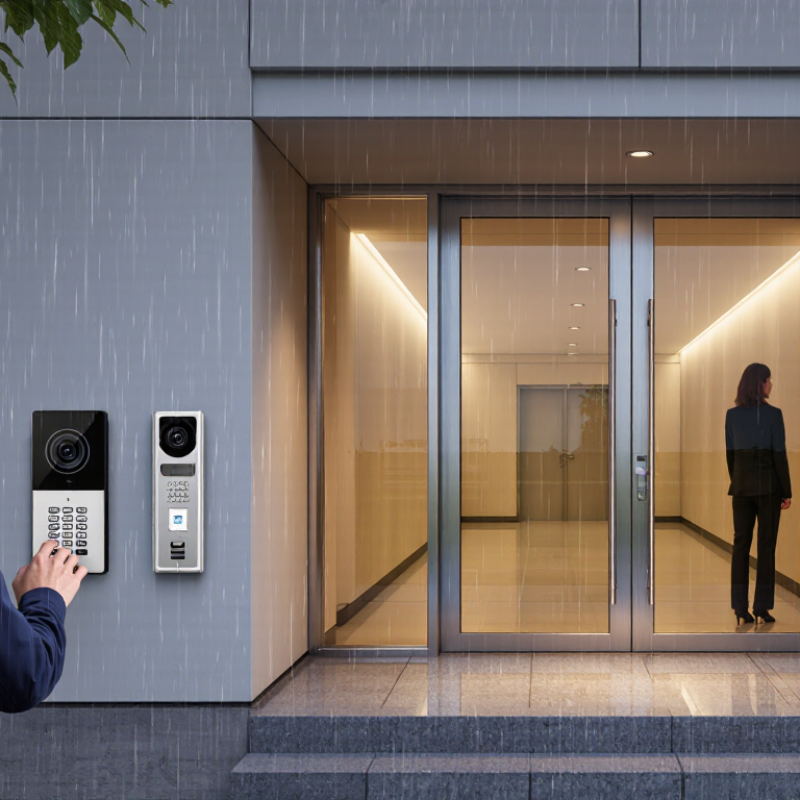
A video entry phone combines a door camera, microphone, speaker, and indoor display. When a visitor presses the call button, the door unit sends live video and audio to a monitor or approved mobile device. Residents can see the visitor, speak with them, and release the door through a controlled relay. Some systems also store snapshots or recordings, but storage settings require careful attention.
In practical installations, clear camera placement matters more than expensive features. The lens should show the visitor’s face without strong sunlight behind them. A stable network improves communication, while backup power can keep the system working during short outages. Professional installers should test audio, night vision, door-release timing, and emergency procedures. Security is never perfect. A weak password, outdated software, or poor wiring can reduce protection. That part is easy to overlook.
Tips: Keep the camera near eye level. Use unique passwords and update system software regularly. Limit recording access to trusted users, and explain privacy notices clearly to visitors. Test the system every few months, including during network failure. If the door opens too slowly or the audio sounds unclear, treat that as a real security issue, not a minor inconvenience. Local building rules and privacy requirements should also guide installation and data retention.
Security Benefits for Homes, Offices, and Public Facilities
Why Choose a Video Entry Phone for Global Security?
A video entry phone adds identity checks before a door opens. Residents can see a visitor beside the entrance, even at night. Office reception teams can verify deliveries without leaving their desks. This small pause can prevent careless access. The FBI estimated 847,522 burglaries in the United States during 2023. That figure supports stronger entry controls, although one device cannot stop every incident.
In offices, video and two-way audio create a useful record of visitor interactions. The Verizon 2024 Data Breach Investigations Report found that the human element appeared in 68% of breaches. Secure entry cannot solve cyber risk, but it can reduce casual sharing of access. Public facilities also benefit from remote verification, especially at clinics, libraries, and transport buildings. Clear images can support incident reviews. Poor lighting, weak passwords, and ignored maintenance still create gaps. Security is never automatic.
Tips: Install cameras at face height. Test night visibility from a visitor’s position. Keep access logs only as long as necessary. Use clear privacy notices. Train staff to challenge unusual requests politely. Provide an accessible call button for wheelchair users and people with hearing difficulties. Review permissions monthly. Ask whether every alert receives a real response. That question is often missed.
How Video Entry Phones Support Global Security Standards
A video entry phone can turn a doorway into a controlled security checkpoint. It shows the visitor, records the call, and supports two-way communication before access is granted. This practical evidence helps security teams follow NIST Cybersecurity Framework 2.0 principles, including Identify, Protect, Detect, Respond, and Recover. Clear event logs also support ISO/IEC 27001 controls for access management and incident review.
Global security standards require more than a camera and a button. Secure devices should use encrypted communication, strong user authentication, role-based permissions, and tamper-aware records. They should also support privacy-focused data retention. The 2024 Cost of a Data Breach Report placed the average breach cost at 4.88 million US dollars, showing why connected entry systems need careful protection. A visitor image may seem harmless. It is still sensitive data.
The 2024 Data Breach Investigations Report found that the human element appeared in 68% of breaches. Video verification can reduce mistakes, especially when staff confirm a face, location, and access reason together. Yet the system is not perfect. Poor lighting, weak passwords, or excessive recording can create new risks. Regular access reviews, firmware updates, and staff training remain necessary. A useful installation makes the secure choice easier, not automatic.
Why Choose a Video Entry Phone for Global Security?
How video entry phones support internationally recognized security and access-control frameworks
The chart shows the publication year of major international and regional standards relevant to video surveillance, access control, information security, and industrial cybersecurity. Video entry phones can support these security objectives through identity verification, controlled door release, encrypted communications, event logging, and secure system management. Publication years identify the referenced standard editions and do not represent product certification or compliance scores.