Best Home Filtration System for Clean Water in 2026?
In 2026, the quest for clean water remains critical. The home filtration system industry is evolving rapidly. Experts like Dr. Emily Carter emphasize, "A reliable home filtration system is not just a luxury; it’s a necessity." This statement reflects the growing concerns about water quality.
As families seek healthier lifestyles, the demand for effective filtration systems increases. Homeowners often overlook the potential contaminants in tap water. Simple solutions can lead to significant health benefits. Depending on location, the quality of municipal water can vary greatly. Some homes may face issues with lead or chlorine.
Investing in a quality home filtration system is vital. It not only restores peace of mind but also improves daily hydration. Many systems promise clear water, yet not all deliver. Consumers must research and reflect on their choices carefully. The ideal system should balance efficiency, affordability, and ease of use. In this quest, understanding personal needs is crucial.
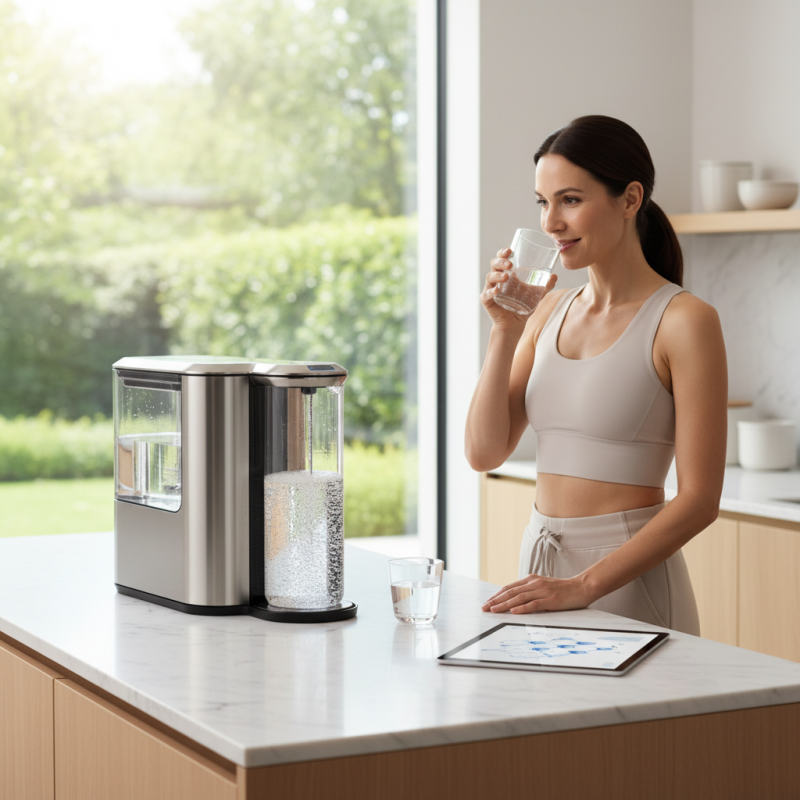
Factors to Consider When Choosing a Home Filtration System
When selecting a home filtration system, several factors should be considered. Water quality varies greatly. Testing your water supply is essential. A report from the Environmental Protection Agency (EPA) indicates that 85% of U.S. households might have contaminants in their water.
Filters can vary in effectiveness. Some remove chlorine, while others target lead or microbial pathogens. It's vital to understand which contaminants exist in your water. Home testing kits are affordable and easy to use. They provide insights on what specific issues to address.
**Tip:** Check local water quality reports. They often highlight specific contaminants in your area.
Another consideration is filter lifespan and maintenance. Some filters require frequent changes, leading to higher long-term costs. Regular maintenance is crucial for optimal performance. A neglected system can lead to a buildup of contaminants, negating its benefits.
**Tip:** Set reminders for filter changes. This helps maintain water quality effectively.
Ultimately, choosing the right home filtration system requires careful consideration. Personal circumstances, water source, and budget play significant roles. Not every system fits everyone's needs perfectly. Evaluating these aspects can lead to a better-informed decision.
Best Home Filtration System for Clean Water in 2026
| Feature |
Description |
Average Cost |
Maintenance Frequency |
Lifespan |
| Reverse Osmosis |
Removes dissolved solids, chemicals, and contaminants |
$200 - $600 |
Every 6 months |
10 - 15 years |
| Activated Carbon |
Reduces chlorine, odor, and volatile organic compounds |
$50 - $300 |
Every 6 - 12 months |
3 - 5 years |
| Ultraviolet Purification |
Destroys bacteria and viruses using UV light |
$150 - $400 |
Annual |
10 - 15 years |
| Whole House Systems |
Filters all water entering the home |
$800 - $3,000 |
Every 1 - 3 years |
10 - 20 years |
| Ceramic Filters |
Removes bacteria and sediment effectively |
$30 - $150 |
Every 6 months |
5 - 10 years |
Types of Home Water Filtration Systems Available in 2026
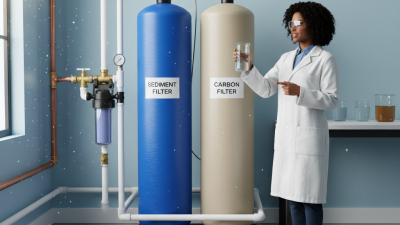
The home water filtration systems available in 2026 offer various options for clean drinking water. These systems include activated carbon filters, reverse osmosis units, and UV purifiers. Activated carbon filters are popular for removing chlorine and sediment. They are easy to install and maintain. However, they may struggle with some heavier metals.
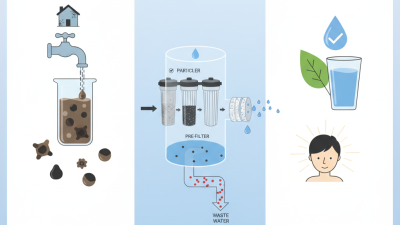
Reverse osmosis systems use a multi-stage process to filter out impurities. They provide high-quality water but can waste significant amounts during the filtration process. Some users express concern about the water waste, while others appreciate the taste. UV purifiers use light to kill bacteria and viruses. They are effective but require electricity and can be impractical for some homes.
In exploring these options, consider your water quality and household needs. Installation can be tricky, especially for complex systems. Many homeowners find it frustrating when faced with complicated instructions. Always check your local water guidelines for specific contaminants. This will help in selecting the right system for your needs. Balancing costs with efficiency remains a challenge for many.
Top Brands and Models of Water Filtration Systems for Home Use
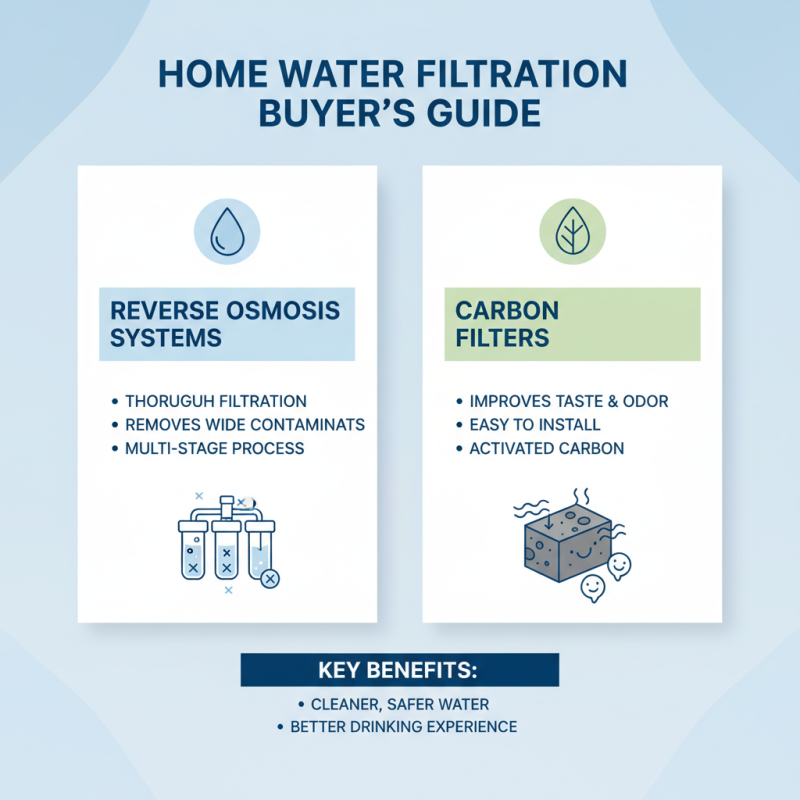
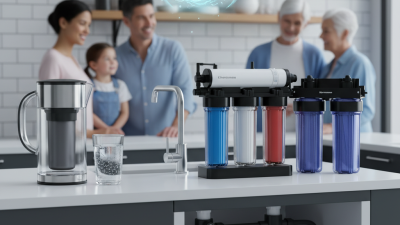
When choosing a water filtration system for home use, several top models stand out. These systems vary by type and features. Reverse osmosis systems are popular for their thorough filtration process. They effectively remove a wide range of contaminants from tap water. Carbon filters, on the other hand, are excellent for improving taste and odor. Many homeowners find these easy to install.
Some models come with advanced technologies. UV filters eliminate bacteria and viruses, adding an extra layer of safety. However, not everyone needs this level of filtration. Budget plays a crucial role in these decisions. Some systems can be quite expensive to install and maintain.
Homeowners often face challenges when selecting the right system. It can be overwhelming with the variety of choices available. Understanding individual water quality needs is vital. Testing your water at home can highlight specific contaminants. This knowledge helps target the right solution. Every system has its pros and cons. It is important to reflect on one's specific situation before making a final decision.
Benefits of Installing a Home Water Filtration System
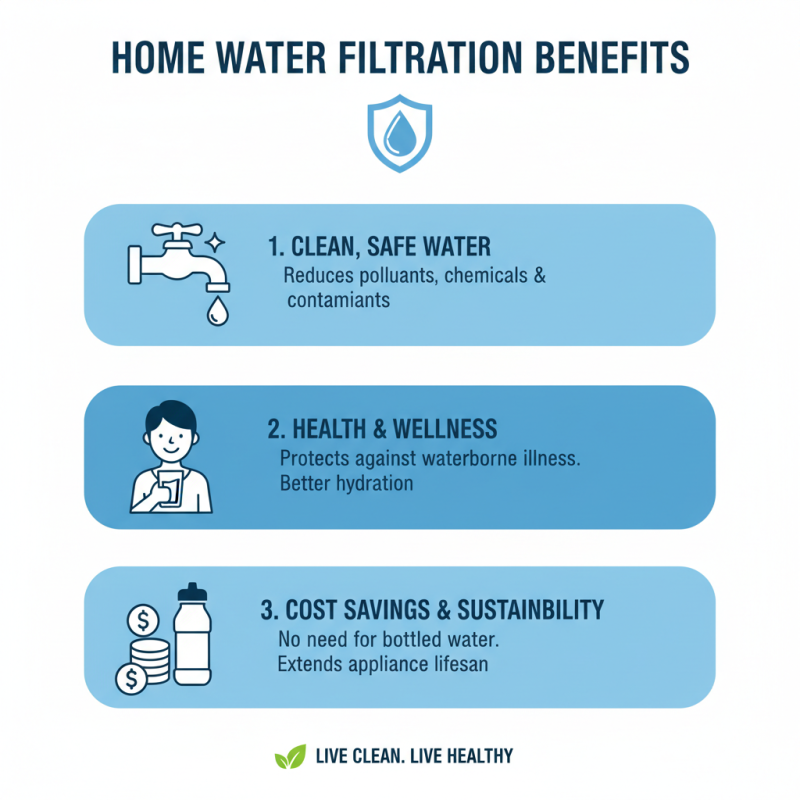
Installing a home water filtration system offers numerous benefits. First, it ensures access to clean water. According to the Environmental Protection Agency, about 10% of people in the U.S. consume water contaminated with pollutants. This filtration system can significantly reduce harmful substances in your drinking water.
Improved taste and odor are other major advantages. Many users notice that their water tastes fresher and smells better after filtration. This can encourage families, especially children, to drink more water instead of sugary beverages. It's suggested that adults drink at least eight 8-ounce glasses of water daily for optimal health.
Tips: Regular maintenance is key for effectiveness. Change filters according to manufacturer guidelines to ensure your system runs smoothly. Additionally, consider testing your water for contaminants to determine the best filtration type for your needs.
It's worth noting that some filtration systems can be costly to install and maintain. Homeowners should balance these costs against the potential for health benefits. While the initial investment might seem steep, clean water is a necessity, not a luxury.
Maintenance and Care Tips for Effective Water Filtration Systems
When considering the effectiveness of home filtration systems, maintenance is crucial.
Regular care can significantly enhance the lifespan and performance of your unit. According to the Water Quality Association, up to 40% of households face issues related to unfiltered water.
Neglecting your system may lead to decreased water quality and potential health risks over time.
Check your filters regularly. Most experts recommend changing them every 6 to 12 months. Timing can vary based on your water source and usage.
A clogged filter can cause increased pressure and even system failure.
Remember, clean filters promote better taste and odor removal.
Pay attention to system components. Inspect any connections for leaks or wear.
Tighten fittings when necessary and replace any damaged parts immediately.
A well-maintained system can improve filtration efficiency by up to 50%.
This attention to detail is often overlooked, yet it is vital for optimal performance.
Regular audits of your filtration setup can help you catch small issues before they become larger problems.