What Is the Best Reverse Osmosis Water Filter?
Choosing the best reverse osmosis water filter is not simply a matter of buying the highest-rated system. It means matching filtration performance, water chemistry, maintenance demands, and household habits. A glass filled at the kitchen tap may look clear, yet dissolved solids, nitrates, fluoride, or certain heavy metals can remain invisible.
The U.S. Environmental Protection Agency explains that reverse osmosis can remove many contaminants, but performance depends on membrane condition and system design. Its WaterSense research also highlights a practical weakness: older systems may waste several gallons of water for every gallon produced. Newer efficient models perform better, but efficiency claims still require careful verification. NSF/ANSI 58 certification offers a useful benchmark for residential reverse osmosis systems, especially when specific contaminant-reduction claims are important.
Professor Menachem Elimelech, a leading membrane-treatment researcher, has described membrane technology as “the most promising technology for water purification and desalination.” That optimism deserves context. A membrane is powerful, not magical. The World Health Organization emphasizes risk-based water management, regular maintenance, and understanding local water quality before choosing treatment equipment.
This guide compares the details that often disappear behind polished product pages: certified reduction claims, daily capacity, recovery rate, filter replacement cost, remineralization, and installation limits. It also considers real kitchen experiences, such as slow filling, a noisy storage tank, or a cartridge forgotten beneath the sink. Those details matter.
No filter is perfect. Some recommendations may still depend on your water report, plumbing, and budget. That uncertainty is worth acknowledging. The best reverse osmosis water filter is the one that addresses verified contaminants reliably, wastes less water, and remains maintained long after installation.
What Is a Reverse Osmosis Water Filter?
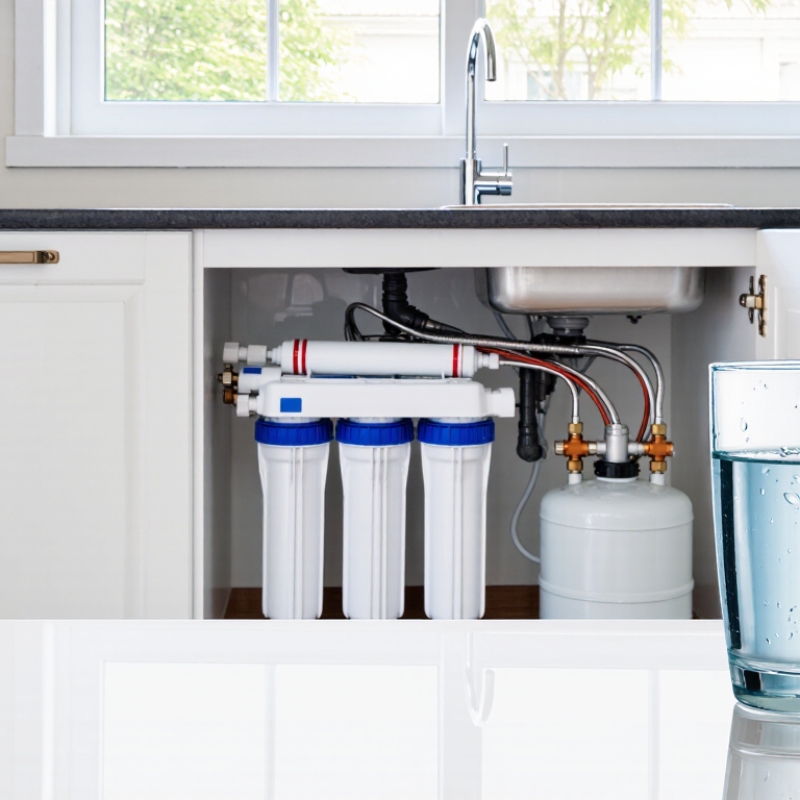
A reverse osmosis water filter cleans water through a semipermeable membrane. Water pressure pushes molecules through tiny pores, while many dissolved contaminants remain behind. This process can reduce lead, arsenic, fluoride, nitrate, and total dissolved solids. However, performance depends on the membrane, pressure, and maintenance.
The U.S. Environmental Protection Agency’s WaterSense research reports that conventional reverse osmosis systems may discharge five gallons of water for every gallon produced. Efficient models use 2.3 gallons or less. That difference matters in a small kitchen.
No filter is perfect.
Tips: Check independent certification, such as NSF/ANSI 58, before purchasing. Test your tap water first. A laboratory report can show whether reverse osmosis is necessary. Replace prefilters and membranes on schedule, because neglected systems may produce poor-tasting water or encourage microbial growth.
The World Health Organization also emphasizes that treated water should be stored safely after filtration. A clean filter can still fail beside a dirty storage container.
The best reverse osmosis filter is not automatically the most expensive model. Look for verified contaminant-reduction claims, a clear replacement schedule, and a realistic water-waste ratio. Taste can improve noticeably, especially when water has a metallic or salty note.
Yet removing minerals is not always beneficial for every household. I would question any product promising unlimited performance without maintenance. Certification helps, but installation quality still matters. A loose connection under the sink can quietly waste water for weeks.
Which Contaminants Can Reverse Osmosis Remove?
Reverse osmosis can reduce many dissolved contaminants, but its performance depends on membrane quality, pressure, maintenance, and water chemistry. The U.S. Environmental Protection Agency identifies reverse osmosis as effective against lead, arsenic, fluoride, nitrate, copper, sodium, chloride, sulfate, and some dissolved organic chemicals. It can also reduce microorganisms, although damaged equipment may create a false sense of security. Not every unit removes every contaminant.
Look for certification to NSF/ANSI 58, which evaluates reverse osmosis systems and verifies specific reduction claims. The label matters. A system certified for lead reduction is not automatically certified for PFAS or nitrate removal. The U.S. Centers for Disease Control and Prevention also notes that treatment results vary by model and contaminant, so laboratory testing remains the safer choice when private-well water is involved.
Test the water first.
There is a practical weakness. EPA consumer guidance reports that some reverse osmosis units waste three to twenty gallons of water for every gallon treated, depending on design and operating conditions. Newer systems may perform better, but household pressure and filter age still matter. Membranes can foul. Storage tanks can also become neglected. I have seen people replace cartridges late, then trust old test results. That is not ideal. Use the product data sheet, check replacement intervals, and confirm contaminant-specific performance rather than relying on the phrase “purifies everything.”
How to Compare Reverse Osmosis Filter Systems
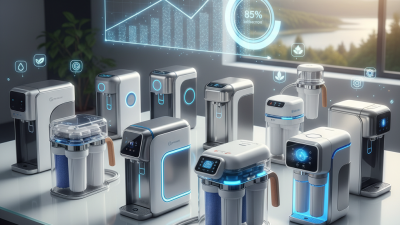
Comparing Reverse Osmosis Filter Systems
A useful comparison begins with water quality, not advertising claims. The World Health Organization explains that reverse osmosis can reduce many dissolved contaminants, but performance depends on membrane condition and water chemistry. Ask for independent test results, not only a removal percentage. Check whether the system addresses your measured concerns, such as lead, nitrate, fluoride, or high mineral content.
Certification matters. NSF/ANSI 58 evaluates reverse osmosis systems for material safety, structural integrity, and reduction claims. Verify the exact contaminant claim and tested capacity. A certified system may still perform poorly when filters are overdue. A simple TDS meter can show changes, but it cannot identify every contaminant. That distinction is easy to miss.
Water efficiency deserves equal attention. The U.S. EPA WaterSense specification identifies high-efficiency systems using no more than 2.3 liters of reject water per liter treated. Older units may waste several liters. Measure the drain flow with a container for one minute. Then compare it with the purified-water flow. Also record recovery time, tank size, replacement costs, noise, and installation space. Small kitchens expose practical weaknesses quickly. I would not choose the lowest purchase price without checking annual maintenance. That comparison can be imperfect, especially when local water conditions change.
What Features Define the Best Reverse Osmosis Filter?
The best reverse osmosis filter is defined by more than a low price or a polished faucet. Quality begins with verified performance. Look for independent testing against recognized drinking-water standards. A strong system should reduce dissolved solids, lead, arsenic, fluoride, and other listed contaminants. Its claims should identify test conditions, not rely on vague laboratory language. Check the membrane’s rejection rate, but do not treat one percentage as the whole story. Water pressure, temperature, and filter age can change real results.
A practical design includes sediment and carbon prefilters before the reverse osmosis membrane. These stages protect the membrane from dirt, chlorine, and unpleasant tastes. A post-filter can improve flavor before water reaches the glass. Flow rate also matters. A system that fills one small bottle slowly may become frustrating during cooking. Some models use a storage tank, while others produce water on demand. Tank size, wastewater ratio, noise, and installation space deserve careful attention.
Maintenance separates dependable equipment from neglected equipment. Filters need clear replacement schedules, accessible housings, and affordable parts. Testing the water before and after installation gives stronger evidence than taste alone. Remineralization may improve flavor, although it does not automatically make water safer. No filter is perfect. Even a well-tested system can perform poorly with weak pressure or overdue cartridges. That detail is easy to miss, and I would inspect it twice before buying.
What Is the Best Reverse Osmosis Water Filter?
The best reverse osmosis filter combines strong contaminant reduction with certified performance, adequate water pressure, low water waste, and easy maintenance. The chart shows representative removal ranges commonly associated with properly maintained RO membranes; actual results vary by system design, feed-water quality, pressure, and membrane condition.
A high-quality RO system should be selected according to a laboratory water report, third-party certification, replacement-filter availability, and the manufacturer’s tested performance data.