10 Best Water Filtration Systems for Global Buyers
Choosing among the 10 Best Water Filtration Systems for Global Buyers requires more than comparing prices and star ratings. Water quality changes by region, building, and supply source. A household in London may face different concerns than one in Manila, Nairobi, or São Paulo. Some homes need sediment removal, while others require protection from chlorine, lead, bacteria, or unpleasant taste. The best water filtration system is not automatically the most expensive model.
This guide examines practical details that buyers can verify. We consider filtration methods, certified performance, flow rate, installation needs, replacement costs, and filter availability. A compact under-sink unit may suit a city apartment with limited space. A larger whole-house system may better serve a family using private well water. Clear maintenance instructions also matter. A neglected filter can reduce performance and create avoidable hygiene concerns.
Evidence should guide the decision. Buyers should review local water reports, manufacturer testing, and recognized certification claims. Independent laboratory verification offers stronger confidence than vague marketing language. Yet no product solves every water problem. That assumption can fail. Some systems need pre-treatment, professional installation, or regular testing. Prices and import conditions also vary across countries. This comparison aims to make those differences visible, while acknowledging an important limitation: product performance depends on correct installation, suitable water conditions, and consistent maintenance. Reliable drinking water begins with informed selection, not a single universal answer.
Global Water Risks: WHO Reports 2.2 Billion People Lack Safely Managed Water
The global water crisis is larger than many households realize. WHO and UNICEF’s Joint Monitoring Programme reported that 2.2 billion people lacked safely managed drinking water in 2022. This includes communities facing long collection times, unreliable supplies, or contamination risks near the home. A clear glass does not prove safety.
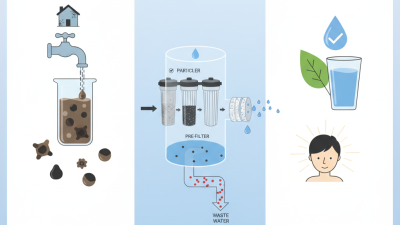
Filtration systems must match local hazards. Activated carbon can reduce chlorine, odors, and some organic chemicals. Reverse osmosis can reduce dissolved salts and several contaminants, but it requires pressure, maintenance, and wastewater handling. Ultraviolet treatment can deactivate microorganisms, yet it needs electricity and relatively clear water. The WHO Guidelines for Drinking-water Quality stress risk assessment from source to household, not filtration alone.
Practical testing matters. The U.S. Environmental Protection Agency advises checking contaminant claims and replacement requirements before purchase. Buyers should inspect laboratory certification, flow rate, storage hygiene, and local service access. A rural family may need gravity filtration, while a coastal household may need desalination support. I would not trust any system without testing the incoming water.
Maintenance is the weak point. Filters become contamination points when replacement is delayed. The Centers for Disease Control and Prevention recommends following manufacturer schedules and cleaning storage containers regularly. In real homes, budgets, power cuts, and missing spare parts complicate ideal plans. That inconvenient detail deserves more attention.
Filtration Technologies Compared: RO, UV, Activated Carbon, and Ultrafiltration
Choosing among water filtration technologies requires more than comparing advertised pore sizes. The 2024 WHO/UNICEF Joint Monitoring Programme reported that 2.2 billion people lacked safely managed drinking water in 2022. Local testing therefore matters. A filter for chlorinated city water may fail in a rural setting with arsenic, pathogens, or heavy sediment.
Reverse osmosis removes many dissolved salts, metals, and other contaminants, often achieving 90–99% reduction under suitable conditions, according to U.S. EPA technical guidance. It also wastes water and needs pressure, membrane replacement, and careful storage. Ultraviolet treatment can inactivate bacteria, viruses, and protozoa, but it cannot remove chemicals or cloudy particles. Turbidity must be controlled first. Power interruptions remain a practical weakness.
Activated carbon improves taste and reduces chlorine and selected organic compounds through adsorption. It does not reliably remove salts or every microorganism. Ultrafiltration uses a finer physical barrier and can reduce suspended solids, bacteria, and some protozoa, while dissolved salts usually pass through. The WHO household water treatment evaluation framework stresses performance under real operating conditions, not laboratory claims alone. A neglected cartridge changes the calculation. Even a strong system can become unreliable when maintenance records, flow limits, or source-water testing are ignored.
10 Best Water Filtration Systems for Global Buyers
Filtration Technologies Compared: RO, UV, Activated Carbon, and Ultrafiltration
The values show representative treatment effectiveness benchmarks commonly associated with each technology.
Actual results depend on water quality, equipment design, operating conditions, and certification. A value of 0%
means the contaminant category is not a primary treatment target for that technology.
Buyer Evaluation Metrics: Flow Rate, Capacity, Contaminant Reduction, and Cost
10 Best Water Filtration Systems for Global Buyers
Flow rate is the first practical test. A household system delivering 4 liters per minute may satisfy cooking needs, but not simultaneous showers and washing. Buyers should compare tested flow at the filter’s end-of-life, not only the factory rating. A slow cartridge can become frustrating. It can also encourage users to bypass filtration.
Capacity needs a clear definition. Some suppliers measure liters processed, while others measure months of service. These figures are not interchangeable. The WHO/UNICEF Joint Monitoring Programme reported that 2.2 billion people lacked safely managed drinking water in 2022. Local sediment, chlorine, hardness, and microbial risks therefore matter more than a universal capacity claim. Ask for test conditions, replacement intervals, and contaminant-specific reduction data. The U.S. Environmental Protection Agency’s 2024 PFAS rule set limits of 4 nanograms per liter for PFOA and PFOS, showing why precise laboratory results matter.
Cost should include purchase, cartridges, electricity, shipping, storage, and disposal. A cheaper unit may need three replacements yearly. A higher-capacity design may cost less over five years. Still, capacity estimates can be optimistic. Review independent testing against recognized standards, such as NSF/ANSI 42 for aesthetic effects and NSF/ANSI 53 for specific health-related claims. Certification does not mean removal of every contaminant. Match the claim to the actual water report, household demand, and maintenance discipline.
Ten Best Global Systems Ranked by Certification, Use Case, and Lifecycle Value
10 Best Water Filtration Systems for Global Buyers
Ten Best Global Systems Ranked by Certification, Use Case, and Lifecycle Value
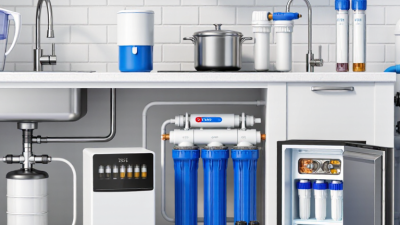
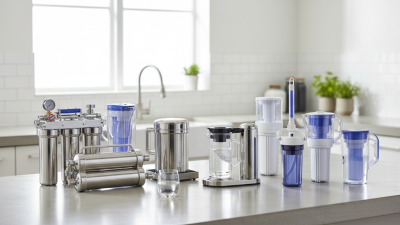
The ten strongest options are ranked by verified certification, practical use, and lifetime cost. Under-sink reverse osmosis suits homes facing dissolved salts or heavy mineral content. Whole-house carbon systems work well where chlorine affects taste, smell, or bathing comfort. Ultraviolet units can control microorganisms, but only after proper pre-filtration. Gravity systems support remote homes with limited electricity. Ceramic filters offer simple maintenance and visible physical protection. Ion-exchange softeners reduce hardness, protecting heaters and pipes. Distillation provides highly purified water, though energy use can be significant. Point-of-entry ultrafiltration balances flow and particle reduction. Portable membrane systems help travelers and temporary housing. Finally, certified sediment filters remain useful as an affordable first barrier.
Certification must match the contaminant and destination market. Look for independent testing against relevant NSF/ANSI, EN, or local standards. Check replacement intervals, wastewater output, pressure needs, and local service access. A cheap unit can become expensive when cartridges are difficult to import. Certification alone is not enough. Installation quality matters. I have seen excellent systems underperform because installers skipped flushing or pressure checks. This ranking is practical, not absolute; water reports can change the order.
Tips:
Test source water before purchasing. Keep two replacement cartridges on hand. Record installation dates. Compare annual filter costs, electricity use, and rejected water. Ask for current certificates, laboratory scopes, and maintenance instructions. Do not trust vague claims such as “removes everything.” That phrase should make buyers pause.