Choosing the best water purifier for home use depends on your water source, household size, and daily habits. A compact carbon filter may improve taste and reduce chlorine in treated city water. However, a reverse osmosis system may suit homes concerned about dissolved minerals, salts, or certain contaminants. Private well users need a different approach. Their water may require laboratory testing before selecting equipment.
This guide examines purification methods through practical household needs. It considers filtration performance, maintenance, installation, water waste, storage capacity, and long-term cost. Look for independently verified standards, such as NSF or ANSI certification, when applicable. Certification does not make every purifier perfect. It confirms specific claims under defined testing conditions. Read the performance sheet carefully. A label can sound impressive while covering only one contaminant.
Small details matter. A family of four may empty a small tank before breakfast. A renter may prefer countertop installation instead of drilling through a sink. Someone with hard water may notice white scale around the kettle within days. Replacement cartridges also need realistic pricing and availability. An excellent purifier is not useful when its filter is ignored.
No single product wins every home. This is the part many buying guides simplify too much. Your local water report, recent test results, and plumber’s advice should influence the decision. This introduction is not a substitute for certified laboratory analysis. It is a practical starting point for comparing reliable options, questioning marketing promises, and choosing cleaner water with fewer surprises.
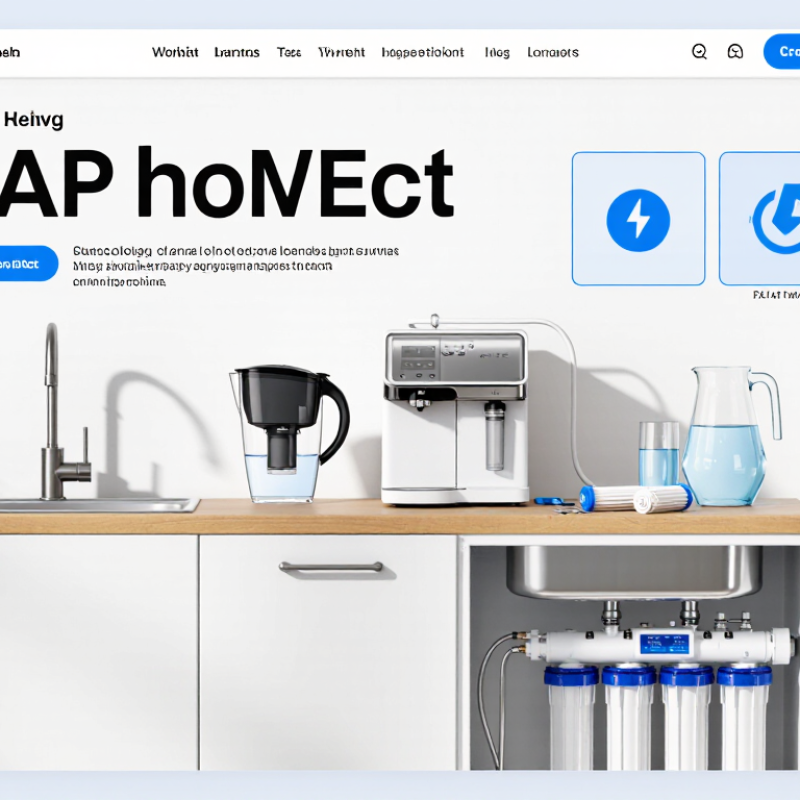
Choosing the best home water purifier starts with identifying the water problem. A cloudy glass may contain sediment, while an unpleasant smell often comes from chlorine or organic compounds. A local water report can provide better evidence than taste alone. Private well users should arrange laboratory testing because quality can change after heavy rain.
Sediment filters trap sand, rust, and loose particles. They protect later stages but do not remove dissolved chemicals. Activated carbon uses a porous surface to reduce chlorine, many odors, and some organic contaminants. It works quietly, but its performance drops when the cartridge becomes saturated. I have seen people replace filters by calendar dates only. That habit is convenient, but not always accurate.
Reverse osmosis pushes water through a very fine membrane under pressure. It can reduce many dissolved salts, metals, and other contaminants, although it produces wastewater and needs regular maintenance. Ultraviolet systems use light to inactivate microorganisms, yet they do not remove particles or chemicals. Distillation boils water and condenses the vapor, but it consumes energy and may taste flat. Ion-exchange softeners mainly reduce hardness; they are not complete purifiers. Check independent certification, flow rate, replacement cost, and installation space before choosing. A purifier can be technically impressive and still become useless when maintenance feels difficult.
What Is the Best Water Purifier for Home Use?
Key Water Quality Problems a Home Purifier Should Address
The best home purifier depends on the contaminants in your water, not its appearance. Clear water may still contain lead, nitrates, microbes, or dissolved chemicals. A recent laboratory test or local water report provides a stronger starting point than taste alone.
Sediment can leave grit in a glass and shorten the life of internal parts. Activated carbon often improves chlorine taste and odor, but it does not solve every problem. Microbial concerns may require ultraviolet treatment or carefully maintained filtration. Reverse osmosis can reduce several dissolved contaminants, although it may waste water and remove useful minerals. Hard water creates scale on kettles, taps, and showerheads. A softener may address hardness better than a drinking-water purifier.
No single device handles everything. It is easy to assume that a higher price means better protection. That assumption needs testing. Check the purifier’s independently verified performance claims, replacement schedule, flow rate, and certification for specific contaminants. Maintenance matters as much as the filter itself. An overdue cartridge can reduce performance and create hygiene concerns.
Households with old plumbing should pay special attention to lead and copper. Private-well users may also need testing for bacteria, arsenic, or nitrates. Some problems are seasonal, especially after flooding or heavy rain. Keep test results, change filters on time, and choose treatment based on measured risks rather than marketing language.
The chart shows selected WHO drinking-water guideline values for common chemical contaminants. Lower guideline values indicate that the contaminant is considered a concern at a lower concentration. Effective purifier selection should be based on local water-test results.
Reference: World Health Organization, Guidelines for Drinking-water Quality, 4th edition incorporating addenda. Values are shown in micrograms per litre (µg/L).
What Is the Best Water Purifier for Home Use?
How to Compare Purification Performance, Cost, and Maintenance
The best home water purifier depends on your actual water problems. Start with a recent water quality report, not advertising claims. Check whether your supply contains sediment, chlorine, lead, microbes, or excessive minerals. Then compare independently verified test results for those specific contaminants. A purifier that removes chlorine may not reduce dissolved metals. High flow does not always mean better filtration.
Cost needs a wider view. Include the purchase price, replacement filters, electricity, water waste, and installation. A cheaper unit can become expensive when filters require frequent changes. Ask how much clean water it produces per minute. Also check the replacement schedule. Keep receipts and record filter changes. Small details matter.
Maintenance is where many households struggle. A purifier needs enough space for filter access, dry connections, and clear instructions. Inspect seals for leaks and wash reusable parts as directed. Never ignore a strange taste, lower flow, or cloudy water. These signs may indicate an exhausted filter or poor installation. I once compared two systems only by their laboratory ratings. I overlooked filter availability and regretted it. Independent certification helps, but it does not replace proper use. Local conditions can change performance. Test the water again when quality or taste changes.
What Is the Best Water Purifier for Home Use?
The best purifier depends on your household, not a universal ranking. A family with infants may prioritize microbiological protection and simple maintenance. An apartment with hard water may need scale reduction and better taste. Homes using private wells need laboratory testing before choosing equipment. Testing identifies bacteria, nitrates, metals, or excess minerals. Guessing can waste money and leave important contaminants untreated.
For treated municipal water, a certified activated carbon system can improve odor and chlorine taste. Reverse osmosis can reduce many dissolved substances, but it produces wastewater and needs regular filter changes. Ultraviolet treatment can address microorganisms, yet it does not remove chemicals or sediment. A whole-house filter suits families wanting cleaner water for showers and laundry. A countertop unit may work better for renters or small kitchens. Check flow rate, replacement cost, installation space, and independent performance claims. Real use matters. A quiet device that fits under the sink may outperform a powerful system left unused.
Tips: Record your water source and daily consumption. Compare certified reduction claims with your test report. Replace cartridges on schedule, even when water looks clear. Clean storage tanks and taps regularly. Keep a maintenance log nearby. I once underestimated filter costs; the monthly budget became the deciding factor. Convenience matters. No purifier removes every concern, so retest when water quality changes.
| Purifier Type | Best Household Need | Main Filtration Method | Typical Contaminant Reduction | Typical Flow or Output | Maintenance Requirements | Main Advantages | Important Limitations | Overall Suitability |
|---|---|---|---|---|---|---|---|---|
| Activated Carbon Filter | Improving taste and odor in treated municipal water | Adsorption through carbon block or granular activated carbon | Often reduces chlorine, unpleasant tastes, odors, and selected organic chemicals. Certified models may reduce additional contaminants. | Approximately 1–8 liters per minute, depending on filter size and water pressure | Replace the cartridge according to the rated capacity or schedule, commonly every 3–12 months. | Affordable, compact, low energy use, and usually preserves beneficial minerals | Usually does not remove hardness, nitrate, fluoride, or dissolved salts. Performance against microbes and specific chemicals varies by model. | ★★★★★ Best for basic taste and odor improvement |
| Reverse Osmosis System | Homes needing broad reduction of dissolved contaminants | A semipermeable membrane supported by sediment and carbon prefilters | Can substantially reduce dissolved salts, lead, arsenic, fluoride, nitrate, chromium, and many other contaminants when the system is properly certified. | Commonly about 2–15 liters per hour for under-sink storage systems; direct-flow models can be faster. | Replace prefilters approximately every 6–12 months and the membrane commonly every 2–5 years, depending on water quality and usage. | Strong reduction of many dissolved contaminants and consistent drinking-water quality | Produces wastewater, requires installation and pressure, and removes minerals along with unwanted substances. Actual performance depends on certification and membrane condition. | ★★★★★ Best all-round option for challenging water quality |
| Ultrafiltration System | Homes wanting microbial and particle reduction without removing minerals | Hollow-fiber membrane filtration with very small pores | Commonly reduces suspended solids, sediment, bacteria, and protozoan cysts. Virus reduction depends on membrane rating and system certification. | Approximately 1–5 liters per minute for many point-of-use systems | Periodic backwashing or cartridge replacement; frequency depends on turbidity and usage | Usually operates without electricity, produces little or no wastewater, and retains minerals | Generally does not remove dissolved salts, nitrate, fluoride, or hardness. It is not automatically suitable for untreated water with unknown contamination. | ★★★★☆ Best for low-salt water with microbial concerns |
| Ultraviolet Water Purifier | Disinfecting microbiologically unsafe water after prefiltration | UV-C light damages the genetic material of microorganisms and prevents reproduction | Effective against many bacteria, viruses, and protozoa when the dose, flow rate, and water clarity are adequate. | Approximately 4–40 liters per minute for household point-of-entry units | Clean the quartz sleeve and replace the UV lamp approximately every 9–12 months, depending on the system. | No chemical taste, no significant mineral removal, and rapid disinfection | Does not remove sediment, metals, pesticides, salts, or chemicals. Electricity is required, and cloudy water can reduce effectiveness. | ★★★★☆ Best as a microbial barrier with suitable prefiltration |
| Water Distiller | Small households seeking very low dissolved-solids water | Boiling followed by condensation; most nonvolatile substances remain in the boiling chamber | Reduces many dissolved minerals, salts, metals, bacteria, and other nonvolatile contaminants. A post-carbon filter may improve taste. | Commonly about 3–5 liters per 4–6 hours for countertop units | Clean mineral scale regularly and replace the optional carbon post-filter as recommended | Does not require household plumbing and can produce highly low-mineral water | Slow, electricity-intensive, and less convenient for large families. Some volatile compounds may require additional treatment. | ★★★☆☆ Best for low daily demand and high dissolved-solids concerns |
| Sediment Filter | Homes with visible particles, sand, rust, or cloudy water | Mechanical filtration using a graded or pleated filter | Reduces suspended particles according to the filter's micron rating; it does not normally remove dissolved contaminants or microorganisms. | Approximately 10–60 liters per minute for whole-house units, depending on size and pressure | Replace or clean the filter when pressure drops or the cartridge becomes visibly loaded | Protects plumbing and downstream filters while improving water clarity | Not a complete drinking-water purifier and does not address taste, dissolved chemicals, hardness, or most microbial risks. | ★★★☆☆ Best as a prefilter rather than a standalone purifier |
| Multi-Stage System | Families wanting combined particle, taste, and contaminant control | A combination such as sediment filtration, activated carbon, and reverse osmosis or ultrafiltration | Coverage depends on the individual stages. A properly certified system can address several contaminant groups more effectively than a single-stage filter. | Commonly about 1–8 liters per minute for point-of-use systems; whole-house capacity varies widely | Different cartridges require replacement at different intervals, commonly every 3–12 months; membranes last longer when prefilters are maintained. | Flexible, comprehensive, and adaptable to different household water problems | Higher purchase and maintenance cost, more installation space, and greater complexity. Each claimed contaminant reduction should be checked separately. | ★★★★★ Best for households with multiple confirmed water concerns |
| Selection note: The most suitable purifier depends on the water source and a recent water-quality test. Before purchasing, verify the system's independent certification, tested contaminant claims, rated capacity, replacement-filter cost, wastewater ratio, and required flow rate. No single purifier removes every possible contaminant. | ||||||||
What Is the Best Water Purifier for Home Use?
The best home water purifier is one that matches your water source, household size, and maintenance habits. Before installation, test the water for hardness, chlorine, sediment, and possible microbial contamination. A purifier cannot remove every problem. Check the unit’s certified performance claims, flow rate, and required water pressure. A professional installer should connect it after the correct shutoff valve, leave space for servicing, and inspect every joint for leaks. Even a small drip can damage a cabinet.
Flush new filters according to the instructions before drinking the water. The first water may contain harmless carbon dust or trapped air. I once overlooked the clearance beneath a filter housing, and replacement became awkward. That mistake changed how I plan installations. Keep the purifier away from heat, cleaning chemicals, and direct sunlight. Use food-safe tubing and wash your hands before touching open filter parts.
Filter replacement should follow both the recommended date and actual water use. Heavy sediment, unusual taste, slower flow, or odor can signal an earlier change. Do not extend filter life simply because the water still looks clear. Invisible contaminants may remain. Record each replacement date on a small label near the unit. Clean reusable parts with approved methods, not strong household chemicals. After several days away, flush stagnant water before drinking. If a filter is damaged, overdue, or repeatedly leaking, stop using it and arrange a qualified inspection.
Build your system. Protect your boat. Join the movement.