10 Essential Tips for Choosing Reverse Osmosis Water Filtration Systems?
Choosing the right reverse osmosis water filtration system can be challenging. It's vital for ensuring the purity of your drinking water. Many options are available, each claiming to provide the best filtration. But how do you know which one truly meets your needs?
Start by considering what contaminants you need to remove. Does your water have high chlorine levels, heavy metals, or sediment? Understanding your water quality is crucial. You might discover that certain filters can't handle specific impurities.
Look for systems with high efficiency ratings. Some models waste a lot of water during filtration. This not only affects functionality but also your water bill. A good reverse osmosis water filtration system should minimize waste. While you want quality, don’t ignore your budget. Balancing cost and effectiveness is key to a sound investment. Take your time to explore these options. Think carefully about what suits your home best.
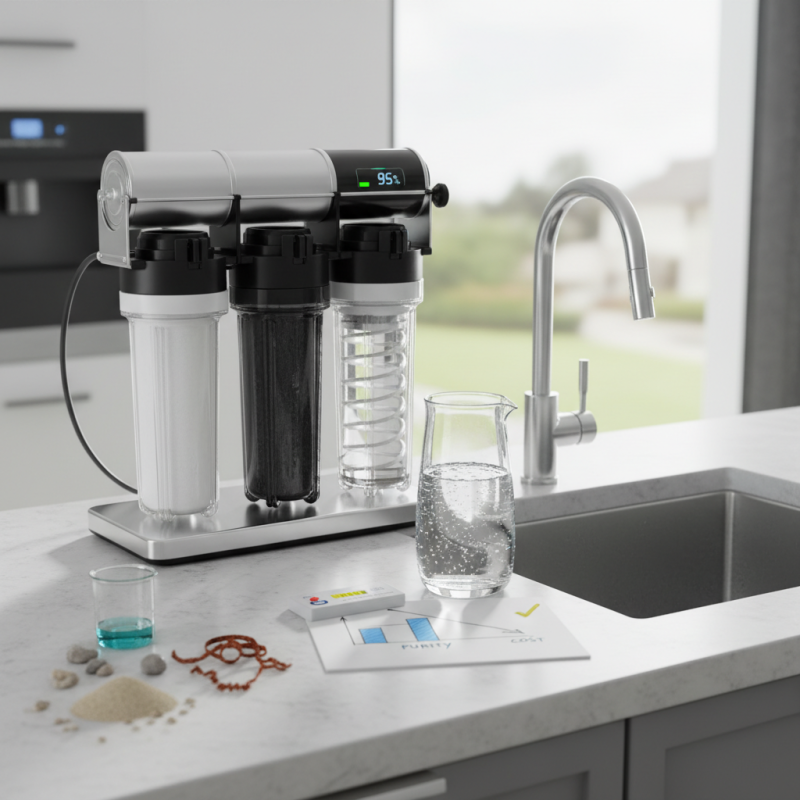
Understanding Reverse Osmosis Filtration Technology and Its Benefits
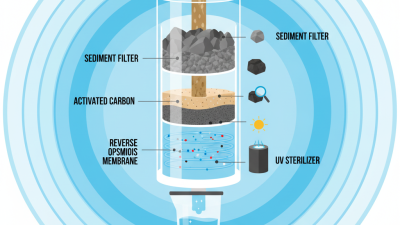
Reverse osmosis (RO) filtration technology is a powerful method for purifying water. This system uses a semi-permeable membrane to remove contaminants. According to the Water Quality Association, reverse osmosis can eliminate up to 98% of total dissolved solids (TDS). This includes heavy metals, salts, and other harmful substances. Such efficiency makes it a popular choice for ensuring safe drinking water.
Understanding the benefits of RO systems is crucial for consumers. RO technology not only improves water taste but also enhances its quality. A report by the Environmental Protection Agency highlights that filtered water significantly reduces chlorine and lead levels. This leads to healthier hydration. However, potential drawbacks do exist. RO systems also remove beneficial minerals, like calcium and magnesium. This aspect often raises concerns about long-term health impacts. Users should consider a remineralization filter to restore these essential elements.
Investing in an RO system means weighing the pros and cons. The initial cost can be significant, yet the long-term benefits may outweigh this. Regular maintenance is also essential to ensure efficiency. Neglect can lead to decreased performance. Understanding these nuances can help buyers make informed choices. Balancing cost, efficiency, and health impact is not always straightforward.
Key Factors to Consider When Selecting a Reverse Osmosis System
When choosing a reverse osmosis water filtration system, several key factors are essential to consider. Water quality testing is crucial. According to the Water Quality Association, approximately 15% of U.S. households have water that exceeds healthy limits for certain contaminants. Identifying pollutants like lead, nitrates, or chlorine is a vital first step. This testing guides your purchase by revealing which system combats specific issues in your water supply.
Another important factor is the system's efficiency. A typical reverse osmosis unit can waste up to three gallons of water for every gallon filtered. Advances in technology are improving water-to-waste ratios, with some systems achieving up to 1:1 efficiency. However, many consumers remain unaware of this aspect, leading to potential waste and higher utility bills. Additionally, consider the installation and maintenance requirements. Some systems require complex installation, while others offer user-friendly designs that can be easily installed by homeowners. Regular maintenance is also necessary, with certain filters needing replacements every 6-12 months. An oversight here could lead to diminished filtering capabilities over time.
10 Essential Tips for Choosing Reverse Osmosis Water Filtration Systems - Key Factors to Consider When Selecting a Reverse Osmosis System
| Factor |
Description |
Importance |
| Contamination Removal |
Check what contaminants the system removes. |
High |
| Water Production Rate |
Consider how much filtered water the system produces. |
Medium |
| Size and Design |
Ensure the unit fits in your space. |
Medium |
| Maintenance Needs |
Understand the upkeep frequency and cost. |
High |
| Filter Lifespan |
Check how long filters last before needing a replacement. |
High |
| Cost |
Budget for both initial purchase and ongoing costs. |
High |
| Certification |
Look for systems that are certified by health authorities. |
High |
| Ease of Installation |
Evaluate how complicated the setup process is. |
Medium |
| Customer Support |
Consider the availability of technical assistance.
|
Medium |
| Water Taste Improvement |
Systems should enhance the taste of water. |
High |
Types of Reverse Osmosis Systems: A Comparative Overview
When selecting a reverse osmosis system, understanding the types available is crucial. There are several categories, each tailored for specific needs. For instance, under-sink systems are popular for home use. They fit neatly in kitchen cabinets and offer high filtration efficiency. The compact design is appealing, but installation can be tricky for some.
Countertop systems are another option. They are easy to set up and portable. Simply plug them into your faucet, and you’re ready. However, their filtration capacity may be limited compared to under-sink models. Families might find themselves refilling more often.
Then, there are whole-house systems. These provide comprehensive filtration for every faucet and appliance in the home. They ensure consistent water quality throughout your living space. However, the initial investment is higher. Maintenance can also be an ongoing burden. Evaluating which type aligns with your daily needs requires careful thought.
Comparison of Different Types of Reverse Osmosis Systems
Maintenance and Longevity of Reverse Osmosis Water Filters
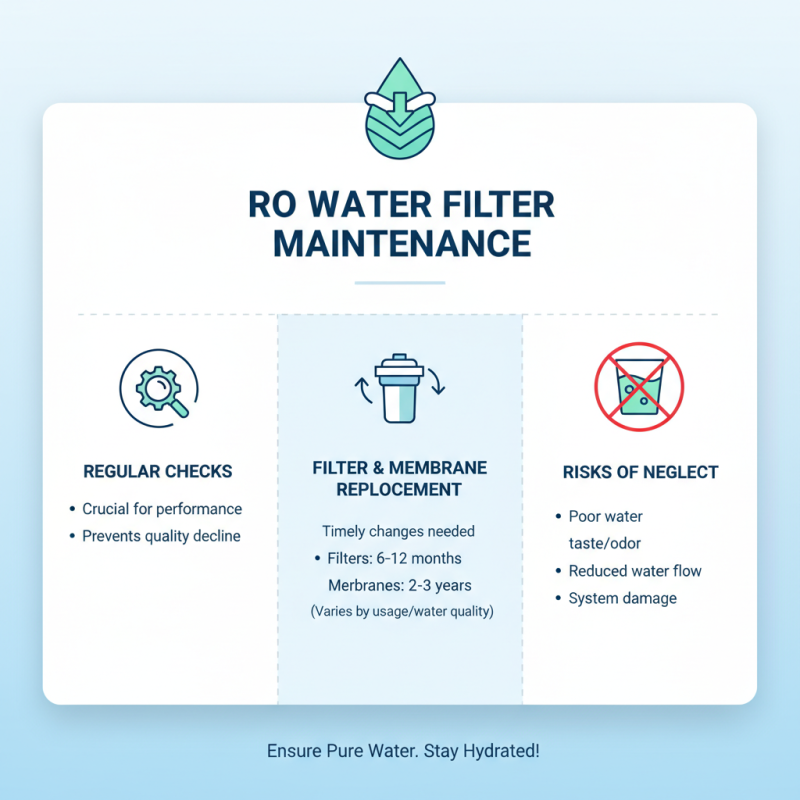
When considering the maintenance of reverse osmosis water filters, regular checks are crucial. Filters and membranes need timely replacements. Most systems require changes every six to twelve months. This can vary based on usage and water quality. Neglecting this aspect can lead to a decline in water quality.
Cleaning the storage tank is essential, too. Over time, sediment can accumulate. A neglected tank might harbor bacteria. Routine sanitization prevents this problem and ensures safe drinking water. It's a task often overlooked.
Monitoring water pressure is vital for efficiency. Low pressure affects the filtration process. If the pressure drops, it might indicate clogs or wear. Addressing these issues early can prolong the life of the system. Remember, maintenance is not just a checklist. It’s an ongoing commitment to safe, clean water.
Evaluating Cost vs. Performance in Water Filtration Systems
When evaluating cost versus performance in reverse osmosis water filtration systems, it’s crucial to consider several factors. The initial price of the system can be tempting, but ongoing costs add up quickly. Maintenance, filter replacement, and energy consumption can all impact your total investment. Skimping on quality may lead to higher long-term expenses.
Performance matters significantly. A system that costs less might not remove contaminants effectively. You might be saving money initially, but what about the quality of your water? Poor filtration can pose health risks. Take time to read reviews and perform comparisons. Look beyond just the price tag. Are the components durable? How often do filters need changing? These aspects can affect both efficiency and reliability.
Water quality varies by region. A system that works in one place might not be suitable elsewhere. It’s essential to test your water beforehand. This testing can unveil unique contaminants that need addressing. Finding a balance between affordability and functionality requires reflection. Consider all factors thoroughly before making a choice. It’s an investment in your health and well-being.