Water is essential for our daily lives. Clean drinking water is crucial for our health. Many people overlook the importance of home water filtration systems. These systems can provide numerous benefits. They effectively remove contaminants from tap water. This leads to safer drinking experiences.
Home water filtration systems can improve taste and odor. Contaminants like chlorine can affect flavor. With filtration, you may notice a significant difference. Clean water can also enhance cooking. Using filtered water in meals often leads to better flavors.
Despite these benefits, some people still hesitate. They question the need for installation. The upfront cost may seem high. However, investing in a home water filtration system is wise. It promotes health and safety for you and your family. The peace of mind from clean water is invaluable. Considering these factors can lead to better decisions. It's worth the reflection.
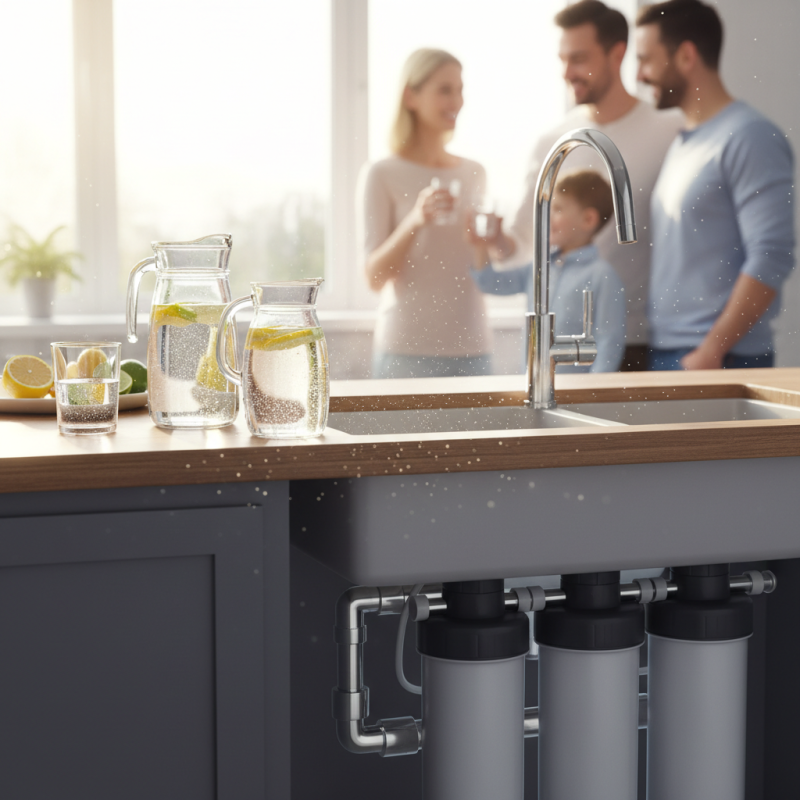
Safe drinking water is crucial for health. Contaminated water can lead to serious issues. According to the CDC, waterborne diseases affect millions annually. A home water filtration system can significantly improve water quality.
One key benefit is the reduction of harmful contaminants. Filtration systems can remove lead, chlorine, and bacteria. Studies show that removing these contaminants promotes better overall health. It reduces the risk of gastrointestinal diseases and supports the immune system.
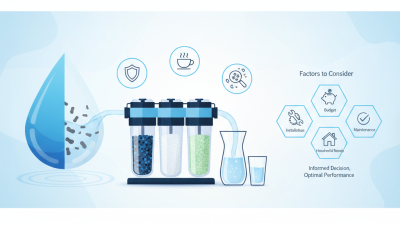
Tips: Regularly replace your filters to maintain optimal performance. A filter that is past its lifespan may not remove contaminants effectively. Test your water periodically to understand its quality. Even well-treated municipal water can have unseen impurities.
| Benefit | Description | Health Impact |
|---|---|---|
| Improved Taste | Removes chlorine and other contaminants for better flavor. | Encourages more water consumption. |
| Reduction of Contaminants | Filters out heavy metals, bacteria, and pesticides. | Lowers risk of waterborne diseases. |
| Cost-Effective | Reduces the need for bottled water. | Promotes financial savings. |
| Environmental Benefits | Less plastic waste from bottles. | Supports sustainability efforts. |
| Better Hydration | Enhances flavor, encouraging hydration. | Improves overall health and energy levels. |
| Decreased Chlorine Exposure | Eliminates harmful chlorine levels from tap water. | Reduces respiratory and skin issues. |
| Improved Digestion | Filters out impurities that may cause digestive problems. | Supports gut health. |
| Clarity of Water | Removes particles that make water cloudy. | Enhances visual appeal and trust in drinking water. |
| Skin and Hair Benefits | Reduces chlorine and other chemicals that affect skin and hair. | Promotes healthier skin and hair. |
| Increased Home Value | Home water filtration systems can increase property value. | Attracts buyers interested in health and safety features. |
Water quality is essential for health. Many homes rely on municipal water sources. Unfortunately, contaminants often lurk in our drinking water. A recent report from the Environmental Protection Agency (EPA) indicated that over 10 million Americans consume water with unsafe levels of pollutants. These include lead, pesticides, and bacteria.
Home water filtration systems can significantly reduce these harmful substances. Studies show that activated carbon filters can reduce chlorine by up to 99%. This results in better-tasting water. Additionally, reverse osmosis systems can remove up to 95% of dissolved solids. Such systems provide a cleaner, safer option for families.
However, not all filtration systems are equal. Regular maintenance is necessary to ensure effectiveness. Filters need to be replaced according to the manufacturer's guidelines. Failure to do this may result in bacteria growth in the filters themselves. Homeowners often overlook this aspect. Prioritizing water safety means staying informed on these issues. Engaging in proper filtration practices can lead to a healthier lifestyle.
This chart illustrates the health and safety benefits of home water filtration systems by showing the percentage of reduction for various contaminants and toxins in drinking water. Each benefit highlights a key aspect of how filtration improves water quality.
Hydration plays a vital role in our overall wellness. Drinking clean water enhances physical performance and mental clarity. It helps in maintaining energy levels and improving mood. Contaminated water can lead to hydration issues. By filtering water at home, you ensure what you drink is safe.
Tips: Always keep a refillable water bottle handy. This encourages you to drink more throughout the day. Remember, your body needs water even when you aren't thirsty.
Filtered water can be more appealing. The taste improves, potentially leading to better hydration habits. You may find yourself reaching for that glass more often. Poor hydration can lead to fatigue and headaches. Eliminating contaminants makes staying hydrated easier and healthier.
Tips: Experiment with adding slices of fruits to your water. This can make drinking water more enjoyable. Also, track your daily water intake to see improvements in your hydration level. Reflect on how water quality affects your life. It's worth paying attention to.
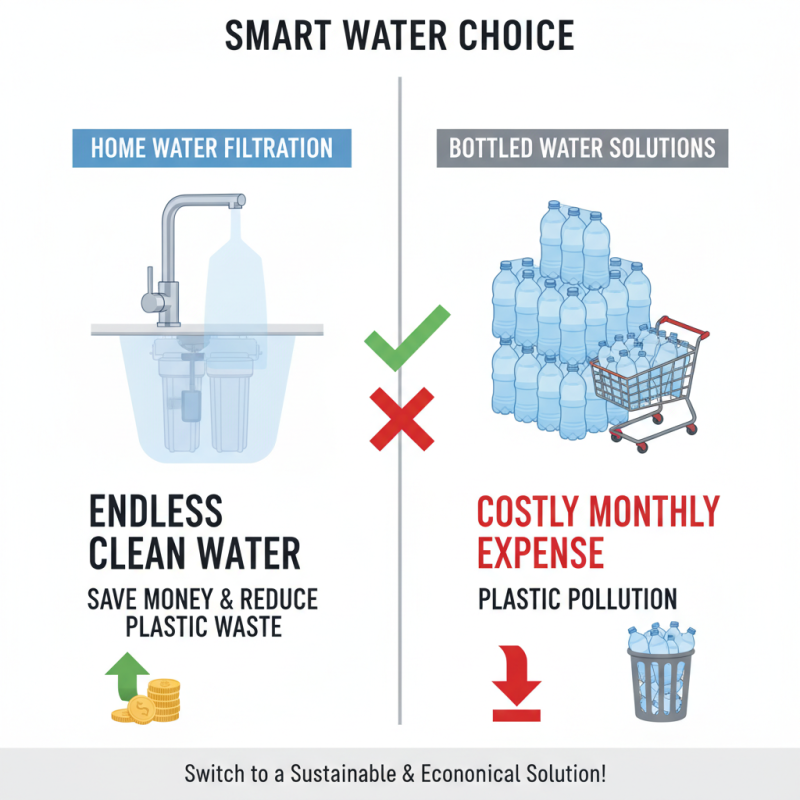
Investing in a home water filtration system can significantly reduce your expenses compared to bottled water. Bottled water can be costly. Purchasing cases every month adds up. A filtration system provides an endless supply of clean water right from your tap. This not only saves money but also reduces waste from plastic bottles.
While some may argue that bottled water is more convenient, the reality is different. With a filtration system, you always have access to fresh water. Changes in taste or smell can occur in bottled water due to storage conditions. Home systems prevent these issues, ensuring consistent quality. Additionally, you can customize your filtration to meet specific needs.
Cost-effectiveness is not the only consideration. Regular maintenance is required for filtration systems, which can be forgotten. Filters need replacements periodically. However, the long-term savings and benefits outweigh these minor inconveniences. Investing in a filtration system promotes both health and environmental benefits. Over time, you’ll find yourself questioning the necessity of bottled water.
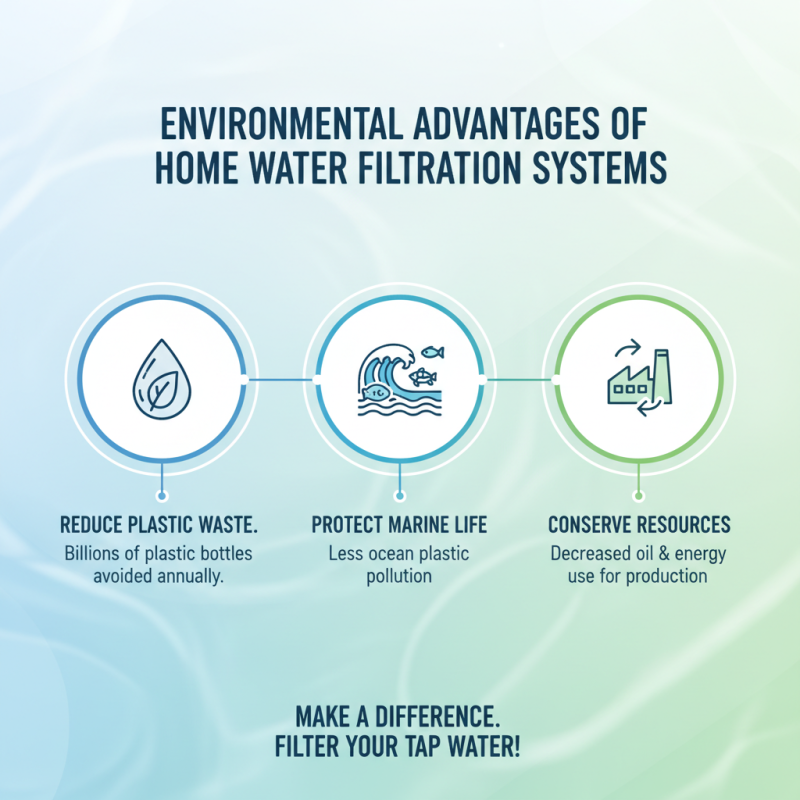
Home water filtration systems offer significant environmental benefits. They reduce plastic waste significantly. According to a recent study, approximately 8 million tons of plastic enter oceans annually, much of it from bottled water. By filtering tap water at home, individuals can decrease their reliance on bottled water. The reduction in plastic not only helps marine life but also conserves resources needed for plastic production.
Moreover, these systems can reduce chemical contaminants. Research indicates that various water sources contain harmful substances. For instance, the Environmental Protection Agency (EPA) notes that over 19 million Americans might be exposed to drinking water with unsafe levels of lead. Home filtration can help address this risk. In fact, the filtration process can remove up to 99% of lead. This is crucial for public health and safety, but it’s essential to choose the right system.
However, availability and affordability are often concerns. Not everyone has access to quality filtration systems. Some may find it difficult to maintain them properly. This can lead to water quality issues. Regular maintenance is key for these systems to be effective. Ignoring this can result in worse water quality than tap water alone. It’s vital to address these challenges and make home water filtration an accessible option for all.
Build your system. Protect your boat. Join the movement.