Top 10 Benefits of Reverse Osmosis Water Filtration System?
Clean drinking water is essential for good health. However, not all water sources are safe. Contaminants, chemicals, and impurities can harm our bodies. This is where reverse osmosis water filtration plays a vital role. By effectively removing these harmful substances, this system ensures we have access to safe water.
The benefits of reverse osmosis water filtration are numerous. Firstly, it provides a reliable means of purifying water. Many families rely on it to enhance their drinking water quality. In addition, it improves taste and odor. Unpleasant flavors are often due to chlorine or other contaminants. With this technology, those issues diminish significantly.
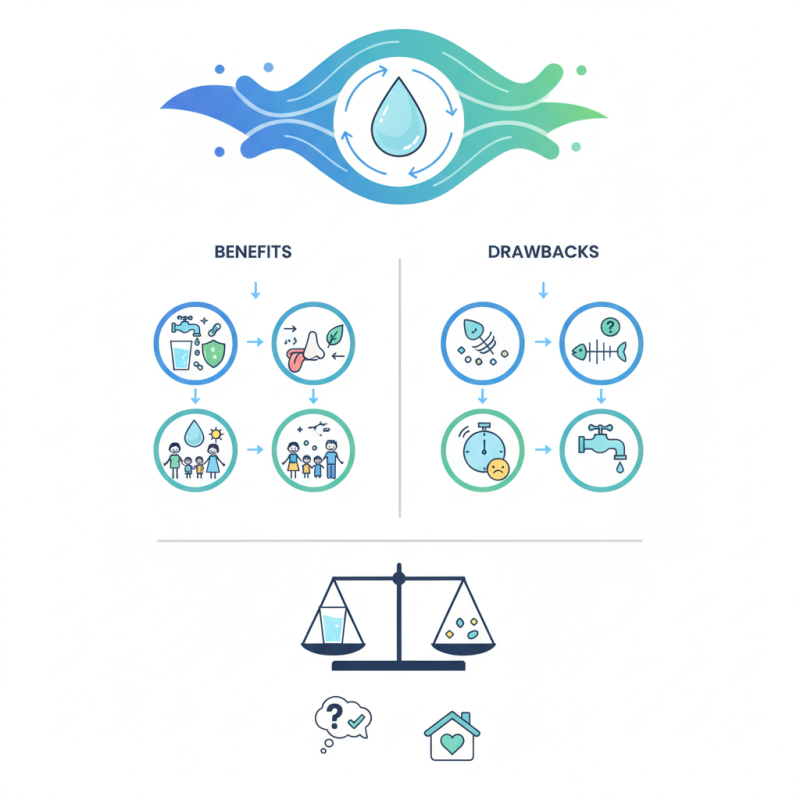
However, it is not without its drawbacks. Some people may question its efficiency. They wonder if all essential minerals are being stripped away. These concerns are valid. Hence, understanding both the benefits and limitations is crucial before making a decision. A balanced view of reverse osmosis water filtration will help families make informed choices for their health.
Introduction to Reverse Osmosis Water Filtration Systems
Reverse osmosis (RO) water filtration systems have become popular for households and businesses. They use a semipermeable membrane to remove contaminants. This process ensures cleaner and safer drinking water. Many people are unaware of how it works, but it’s quite straightforward. Water is forced through the membrane, leaving impurities behind.
These systems are effective at removing various substances, including chlorine, lead, and bacteria. They can significantly improve water flavor and odor. Some users notice a distinct difference in their drinking experience. Additionally, RO systems often require minimal maintenance, making them user-friendly.
Despite their advantages, it’s essential to recognize a few drawbacks. The initial installation cost may seem high. Plus, RO systems waste some water during filtration. This could be a concern in areas with water scarcity. It's important to weigh these factors when considering an RO system for your home or office.
How Reverse Osmosis Works: The Science Behind Water Filtration
Reverse osmosis (RO) is a water filtration process that effectively removes impurities. It uses a semipermeable membrane to separate contaminants from water. This membrane allows only water molecules to pass through while blocking larger molecules and ions. The science behind reverse osmosis is fascinating yet simple. When water is forced through the membrane, contaminants such as salts, bacteria, and heavy metals are left behind. The result is clean, safe drinking water.
The process relies on pressure. The higher the pressure, the more efficient the filtration. The water source is typically pressurized, allowing it to flow smoothly towards the membrane. Notably, reverse osmosis requires regular maintenance. Membranes need to be replaced periodically to ensure efficiency. Over time, they can become fouled with contaminants. This can affect water quality and flow rates.
While RO systems provide numerous benefits, they are not without drawbacks. They can waste water during the filtration process. Sometimes, essential minerals may also be removed along with the contaminants. This raises questions about balancing purity and mineral content in drinking water. Users must weigh the pros and cons carefully before investing in such a system.
Top 10 Benefits of Reverse Osmosis Water Filtration System
| Benefit |
Description |
| Removes Contaminants |
Effectively removes bacteria, viruses, and chemical contaminants from water. |
| Improves Taste |
Enhances the taste and odor of drinking water, making it more palatable. |
| Cost-Effective |
Reduces the need for bottled water, saving money in the long run. |
| Environmentally Friendly |
Minimizes plastic waste associated with bottled water consumption. |
| Convenient |
Provides a continuous supply of purified water directly from your tap. |
| Improves Health |
Reduces exposure to harmful substances that can affect your health. |
| Increases Lifespan of Appliances |
Helps protect appliances from mineral build-up and improve their longevity. |
| Versatile Use |
Suitable for various uses, including drinking, cooking, and making ice. |
| Easy Maintenance |
Systems typically require minimal maintenance and are easy to operate. |
| Boosts Hydration |
Encourages drinking more water due to its improved taste and quality. |
Health Benefits of Drinking Purified Reverse Osmosis Water
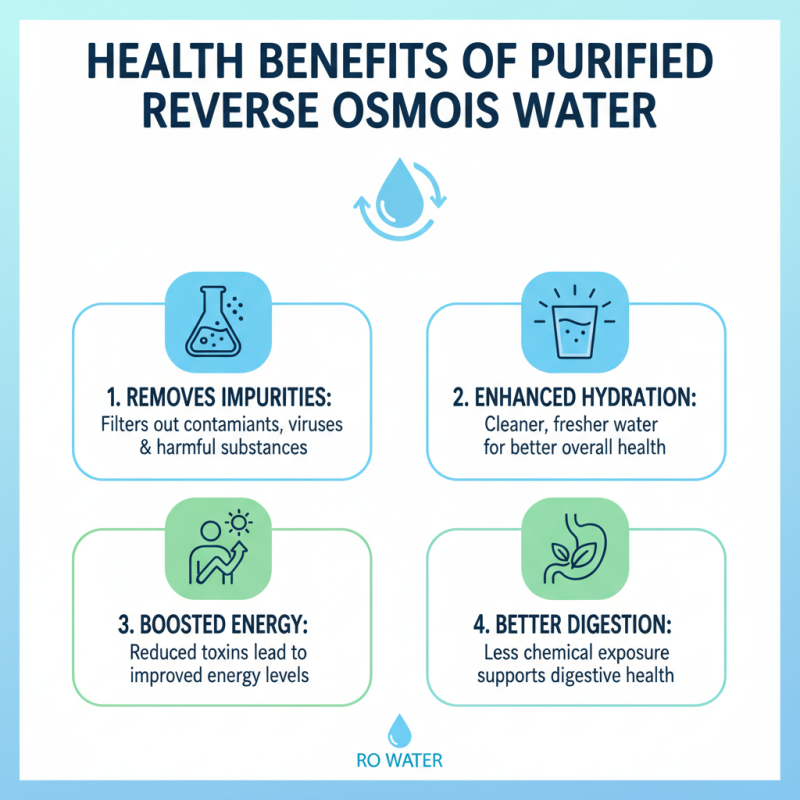
Drinking purified reverse osmosis water offers numerous health benefits. This filtration method effectively removes impurities, viruses, and harmful contaminants from water. The result is cleaner and fresher drinking water, improving your overall hydration levels. With reduced exposure to chemicals and toxins, you may notice enhanced energy levels and better digestion.
Tip: Consider adding a lemon slice or cucumber to your RO water for added freshness and nutrients. This simple addition might help you enjoy drinking more water daily.
Drinking RO water may also benefit skin health. Clean water keeps your skin hydrated and may reduce acne or skin irritation. Furthermore, people with sensitive skin often find relief from dryness. Nevertheless, it is important to ensure that your diet includes minerals, too. Some argue that reverse osmosis removes beneficial minerals along with harmful substances.
Tip: If your RO system does not remineralize water, consider supplements or mineral-rich foods. This can help maintain essential nutrient levels in your body. Balancing both purity and nutrition is vital for your health.
Environmental Advantages of Using Reverse Osmosis Systems
Reverse osmosis (RO) systems offer substantial environmental advantages. These systems can significantly reduce plastic waste. By using RO water, you minimize the reliance on bottled water. This small change can lead to a significant drop in plastic pollution.
Moreover, reverse osmosis processes use fewer harmful chemicals. Conventional filtration often requires various harsh substances to treat water. In contrast, RO primarily relies on a membrane to remove contaminants. This method is safer for ecosystems and improves water quality without introducing new pollutants.
However, some may wonder about the byproducts of reverse osmosis. The filtration process generates wastewater that can be a concern. This issue highlights the importance of improving RO technology to reduce waste further. Despite this, the overall benefits of RO systems in promoting cleaner water and reducing environmental harm remain compelling.
Top 10 Benefits of Reverse Osmosis Water Filtration System
Cost-Effectiveness and Long-Term Savings of RO Filtration Systems
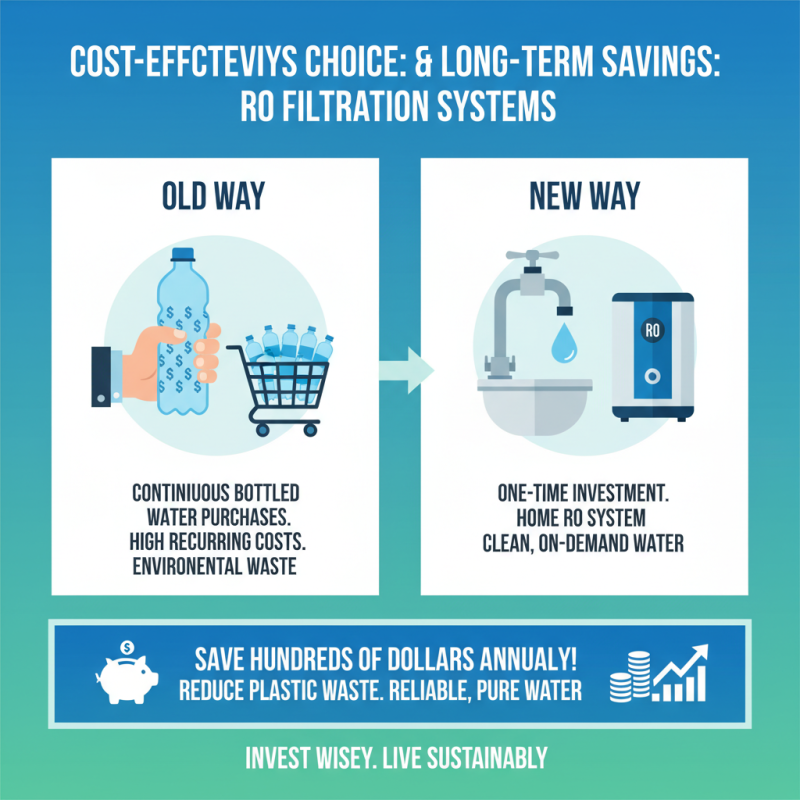
Reverse osmosis (RO) filtration systems provide significant cost-effectiveness over time. By investing in an RO system, households can reduce their dependence on bottled water. This shifts expenses from continuous bottled water purchases to a one-time investment in a filtration system. A well-maintained RO system can save hundreds of dollars each year.
Moreover, the long-term savings extend beyond just water costs. With impurities filtered out, appliances such as water heaters and coffee makers function more efficiently. This increased efficiency leads to lower energy bills and extended appliance lifespans. However, one must consider maintenance costs, which can vary. Regular filter changes are necessary, and neglecting them might reduce the system's effectiveness.
It's essential to think about water quality. Not all sources are equal. Sometimes, the initial investment may feel hefty. Still, the continuous savings in bottled water expenses can justify this. The potential costs of waterborne illnesses could also be a significant factor. Investing in a reliable RO system can lead to better health and financial outcomes in the long run. Choosing to prioritize water safety and savings may take time but has valuable implications.