How to Choose the Best Water Filtration System?

Choosing a water filtration system starts with a simple question: what do you want removed from your water? Cloudiness, chlorine taste, and lead are different concerns, and no single filter handles every problem. That matters. Your water source, plumbing, household size, and maintenance habits all shape the right choice. Tap water may meet local standards and still have a taste you dislike. A taste alone cannot identify a health risk.

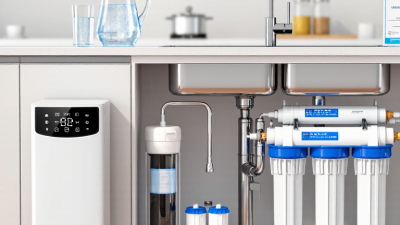
A reliable decision begins with evidence. Review your local water quality report, and consider a certified laboratory test when a specific contaminant is a concern. Then compare technologies and check whether the product is independently certified for the contaminant you need to reduce. Certification details matter. Look beyond the advertised flow rate: replacement cartridges, installation space, filter life, and disposal costs affect daily use. Small details add up. An under-sink unit may suit a busy kitchen. A pitcher may be easier for renters. Neither is automatically best. Even good filters need timely replacement, and neglected cartridges can reduce performance. This choice deserves a little skepticism. Product claims can sound certain, but household water and real maintenance are less tidy. Keep the packaging and test results handy. The sections below help weigh safety, convenience, cost, and verified performance. Choose for your water, not just your wishlist.
How to Choose the Best Water Filtration System?

Assess Your Water Quality and Identify Contaminants

Before choosing a water filtration system, find out what is actually in your water. A clear glass tells you very little. Looks can mislead. If your home uses municipal water, review the latest water quality report and note any listed contaminants and detected levels. Remember, that report describes the utility’s water, not necessarily what comes from your kitchen tap.

Older plumbing can add lead or copper on the way to your glass. For a clearer picture, use a laboratory with appropriate accreditation and follow its sampling instructions closely. Some tests require water to sit in the pipes; others call for flushing the tap first. The details matter. Keep the report and record when and where each sample was collected.

Private well owners should test regularly, with local guidance on which contaminants to include. Common concerns include bacteria, nitrate, arsenic, and minerals, but risks vary by area. A neighbor’s result is not a substitute for your own. Test after flooding, repairs, or a noticeable change in taste, color, or smell. Those changes do not identify a contaminant by themselves, so avoid guessing from appearance alone. Compare measured results with applicable health guidance before selecting a system, and retest when the source or plumbing changes.

Define Your Household’s Filtration Needs

Choosing a filtration system starts with a specific household concern, not a long list of features. Check your local water-quality report for reported contaminants and testing dates. If your home uses a private well, arrange testing through a qualified laboratory; risks can change over time. Start with the water.

Taste, odor, or visible sediment can help you describe a problem, but they cannot identify every contaminant. A clear glass is not proof that water is safe. Match any proposed filter to test results or documented concerns, and check independent certification for the contaminants named in its claims. If you are unsure what a report means, ask your local health department or a qualified water professional.

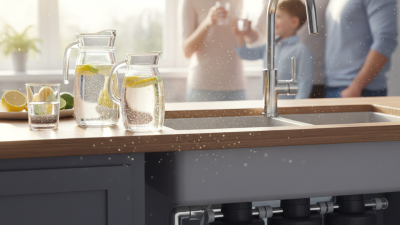
Think about how your family uses water each day. A small under-sink unit may suit drinking and cooking, while whole-house treatment may make sense only when a concern affects multiple taps. Compare the system’s flow rate with busy moments, such as filling a pot while someone showers. Check replacement schedules, filter costs, and whether parts are easy to obtain. Maintenance is easy to underestimate. A neglected filter may perform poorly, so choose a routine you can realistically keep. It is tempting to buy more treatment than you need; test, then decide.

Compare Water Filtration Technologies

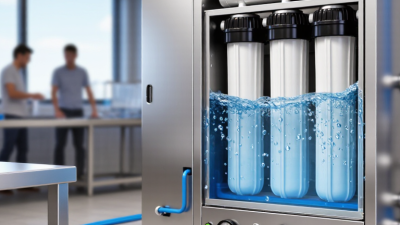
Activated carbon filters can improve chlorine taste and odor, and some certified models reduce specific chemicals. They do not reliably remove every dissolved contaminant. Sediment filters catch visible grit, such as rust flakes, but leave many substances dissolved in water. Not the same job. Reverse osmosis reduces many dissolved solids, including some salts and metals, but it uses water to flush contaminants and needs regular maintenance. Ultraviolet treatment can inactivate microbes, yet it does not remove chemicals or particles. Cloudy water can also interfere with UV performance.

Start with a water test or a local water-quality report, then match the technology to the contaminants identified. Check the exact reduction claims and certification for the model, not just words like “purifying.” A carbon unit may be enough for taste; a combination system may suit water with several concerns. Consider the details of daily use, too: filter replacement cost, flow rate, space under the sink, and whether the tap takes longer to fill a kettle. A system that is hard to maintain may perform poorly in practice. That part is easy to overlook. And a filter can change taste without making unsafe water safe, so verify its limits before relying on it.

How to Choose the Best Water Filtration System? — Compare Water Filtration Technologies
Technology How It Works Commonly Reduces or Removes What It Does Not Reliably Address Maintenance and Practical Considerations Often Suited To
Activated carbon Adsorbs certain compounds onto a porous carbon surface. Available in cartridge, block, and granular forms. Often improves chlorine taste and odor; certified models may reduce specific volatile organic compounds, some pesticides, or lead. Does not generally remove dissolved minerals, salts, or hardness. Performance against microbes and individual chemicals varies by product. Replace cartridges as directed. A spent or poorly maintained filter may lose effectiveness; some designs can support microbial growth if neglected. Improving taste and odor, or targeting a specific contaminant when the product is certified for that claim.
Reverse osmosis (RO) Uses pressure to push water through a semipermeable membrane, typically with prefilters and sometimes a postfilter. Can reduce many dissolved salts and substances such as lead, arsenic, nitrate, and fluoride; exact performance depends on the system and certification. Does not guarantee removal of every contaminant. Membranes and system design vary, and untreated water may still need disinfection. Requires periodic filter and membrane replacement. Produces a reject-water stream; output can be slower and may require a storage tank. Point-of-use treatment when testing identifies dissolved contaminants that the chosen system is certified to reduce.
Ion exchange water softener Exchanges calcium and magnesium ions, which cause hardness, for sodium or potassium ions. Reduces water hardness and can help limit scale buildup in plumbing and appliances. Is not a general-purpose purifier and does not reliably remove bacteria, most organic chemicals, or all dissolved contaminants. Needs salt or potassium chloride replenishment and periodic servicing. Softened water may contain more sodium; consider household health needs. Homes with hard water where scale reduction is the primary goal.
Ultrafiltration (UF) Forces water through a membrane with pores that retain many suspended particles and microorganisms. Can reduce sediment, cysts, and many bacteria when the system is designed and certified for those claims. Typically does not remove dissolved salts, hardness, or many small dissolved chemicals; virus reduction is system-specific. Membranes need cleaning or replacement as specified. Treatment performance depends on pore size, design, and proper upkeep. Reducing particles and certain microbes while retaining most dissolved minerals.
Ultraviolet (UV) disinfection Uses UV light to inactivate microorganisms as water passes through a treatment chamber. Can inactivate bacteria, viruses, and protozoa when the unit is properly sized and water receives the required UV dose. Does not remove sediment, metals, salts, or chemicals, and does not improve taste or odor. Cloudy water can reduce effectiveness. Requires electricity, a clean sleeve, and lamp replacement on schedule. Often paired with filtration to reduce particles before UV treatment. Microbial disinfection when the water supply presents a biological risk.
Distillation Boils water and condenses the steam, leaving many nonvolatile substances behind. Can reduce many minerals, salts, metals, and microbes; effectiveness depends on the unit and the substances present. Some volatile compounds may evaporate with water unless the system includes suitable controls. It is not a substitute for testing or certified claims. Uses electricity and takes time. Requires cleaning to remove mineral scale; production is typically slower than tap filtration. Small-volume treatment where broad reduction of nonvolatile dissolved substances is desired.
Sediment filtration Uses a physical barrier to trap particles above a specified size. Reduces sand, rust, silt, and other suspended particles, depending on the filter rating. Does not generally remove dissolved chemicals, salts, hardness, or microbes. Cartridges may need frequent replacement when incoming water contains substantial sediment. A finer filter can restrict flow. Pre-filtration to protect plumbing or downstream treatment equipment.
Choosing and verifying a system Match the treatment method to a water test and the specific contaminants of concern. Third-party certification can confirm performance for particular reduction claims under defined test conditions. A technology name alone does not prove that a product reduces a particular contaminant. Check the exact model, certification listing, replacement schedule, flow rate, and installation requirements. Follow local public-health guidance for unsafe water. Any household selecting treatment based on verified water-quality needs rather than broad claims.
Certification guide: NSF/ANSI 42 commonly covers aesthetic effects such as chlorine taste and odor; NSF/ANSI 53 covers specific health effects; NSF/ANSI 58 applies to reverse osmosis systems; NSF/ANSI 44 applies to residential cation-exchange water softeners; and NSF/ANSI 55 covers UV microbiological water-treatment systems. Verify the exact contaminant-reduction claim in the certification listing, as certification does not mean a system removes every contaminant.

Evaluate Capacity, Certification, Costs, and Maintenance

A water filtration system should match your household’s daily use, not just its advertised capacity. Check how many gallons it can treat before a filter change, and compare that figure with your family’s drinking and cooking needs. A small countertop unit may work well for one person but slow down during a busy morning. That matters. Also check the system’s flow rate; a large capacity is less useful if filling a pot takes several minutes.

Look for certification from an independent testing organization, and confirm which contaminants were tested. Certification for chlorine reduction does not automatically mean a system removes lead or other substances. Read the fine print. If your water report identifies a particular concern, match it to the system’s documented performance rather than relying on broad claims. Certification details can be easy to overlook, but they are more useful than vague phrases on a box.

Compare the full cost, including replacement filters, installation, and any plumbing changes. A low purchase price can hide expensive cartridges or frequent replacements. Maintenance is part of the choice. Check how often filters need changing and whether replacements are easy to obtain. Set a reminder, and keep a simple record of change dates. It may feel fussy, but neglected filters can reduce performance; real households do forget.

Choose a System That Fits Your Home and Water Use

A water filter should match a specific need, not a vague promise of “cleaner” water. Start with your source: municipal supply, private well, or a building with older plumbing. The CDC estimates that more than 15 million U.S. households rely on private wells, where water quality can vary from one property to the next. For well water, check a recent lab test before choosing equipment. For city water, read the local water quality report and note any contaminants relevant to your home. Fit matters. A filter certified for lead reduction, for example, is not automatically designed to remove every other contaminant.

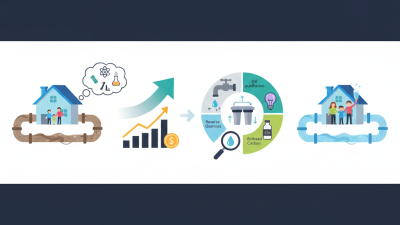
Then match the system to daily use and the space available. A faucet or countertop unit may suit drinking and cooking water for one or two people; a whole-house system treats more water but needs room and maintenance. Check the rated flow, cartridge life, and replacement cost—not just the purchase price. EPA’s 2023 Drinking Water Infrastructure Needs Survey estimates $625 billion in public water-system needs over 20 years. That figure is not a reason to buy a filter; it underscores why local conditions deserve attention. I still find filter labels easy to overread. Look for independent certification to the standard relevant to your concern, and verify the exact claim. A perfect setup on paper can be inconvenient if cartridges are hard to replace.

Build your system. Protect your boat. Join the movement.

Compare Products
Talk to Sales