What Is Home Water Filtration and How Does It Work?

A glass of tap water can look clear while carrying substances you cannot see, taste, or smell. The WHO/UNICEF Joint Monitoring Programme reported that 2.2 billion people lacked safely managed drinking water in 2022. That global figure does not describe every household’s tap, but it shows why water quality deserves careful attention. At home, risks vary with the source, plumbing, and local conditions.

Home water filtration uses physical barriers, adsorption, or membrane processes to reduce selected contaminants. A carbon cartridge may improve chlorine taste and odor; a reverse-osmosis unit can reduce certain dissolved substances. But no single filter removes everything. The U.S. Environmental Protection Agency’s 2023 Drinking Water Infrastructure Needs Survey estimated $625 billion in U.S. drinking-water infrastructure needs over 20 years. That estimate concerns infrastructure, not the effectiveness of household filters. Still, it highlights how water quality depends on systems beyond the kitchen sink.

Look for certification to standards such as NSF/ANSI 42, 53, or 58, and check which specific contaminants a product is tested to reduce. Match the filter to a water report or test result, and replace cartridges on schedule. A neglected filter may perform poorly. So can the wrong one. Filtration is not a magic fix, and a clean-tasting glass is not proof of safety. That distinction is easy to miss.
What Is Home Water Filtration and How Does It Work?

What Home Water Filtration Is: Point-of-Use and Point-of-Entry Systems

What Is Home Water Filtration and How Does It Work?

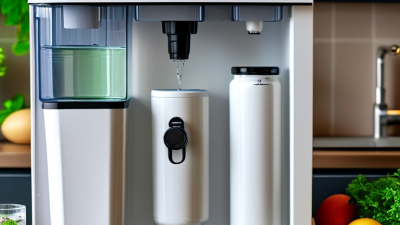
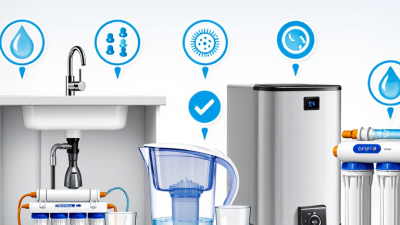
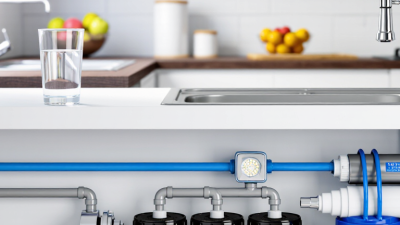
Home water filtration systems generally serve one tap or an entire house. Point-of-use systems, such as under-sink units, treat water where it is consumed. They can be practical for drinking and cooking, but do not treat water from other taps. Point-of-entry systems sit where the main supply enters the home. They can treat water used for bathing, laundry, and drinking. Not every household needs both.

A 2023 USGS study estimated that at least one PFAS compound may be present in about 45% of U.S. tap water. That estimate does not describe every home or show which filter is right for a particular supply. A point-of-use filter may suit a specific drinking-water concern; a point-of-entry system may address issues affecting the whole home. Check local water-quality reports, and match the filter’s independent certification to the contaminant it claims to reduce. A filter is not a universal fix. Maintenance matters, too: an overdue cartridge may perform poorly, even when the unit was well chosen.

Tips: Test or review your water first. Compare certified contaminant-reduction claims, then follow the replacement schedule. Small detail. Easy to miss.

What Is Home Water Filtration and How Does It Work?

Home water filtration reduces selected impurities as water passes through a treatment device. A point-of-use (POU) system treats water at one specific outlet, such as a drinking-water faucet. A point-of-entry (POE) system is installed where water enters the home and treats water supplied to multiple outlets. The right choice depends on water quality, intended use, and the contaminants a system is designed to reduce.

Where U.S. Households Use Indoor Water

The chart shows why system coverage matters: a POU filter treats water at a selected tap, while a POE system treats water entering the home. The percentages describe estimated indoor water use—not filtration performance or the share of water that must be filtered.

Source: U.S. Environmental Protection Agency, WaterSense, estimated average indoor household water use.

Which Contaminants Matter? EPA’s Arsenic Limit Is 10 µg/L

Home water filtration removes selected contaminants as water passes through a treatment medium. But no single filter removes everything. Arsenic deserves special attention because it can occur naturally in groundwater and may have no taste, smell, or color.

The U.S. Environmental Protection Agency sets a limit of 10 micrograms per liter for arsenic in public drinking water systems. The World Health Organization’s drinking-water guidelines also use 10 micrograms per liter. These are useful reference points, not proof that a private well is safe.

Treatment depends on the arsenic level and its chemical form. Reverse osmosis and certain adsorptive media can reduce arsenic, but performance varies by product and water conditions. Look for independent certification that specifically verifies arsenic reduction, such as NSF/ANSI 58 for reverse-osmosis systems or NSF/ANSI 53 for applicable reduction claims. Read the exact claim. A general “water filter” label is not enough.

EPA guidance recommends testing private wells through a qualified laboratory; retest after installing treatment and follow the device’s replacement schedule. I would not assume clear water is clean.

Tips: Test before choosing a filter, and ask the laboratory about arsenic speciation if results are elevated. Keep the report and maintenance dates together. Small paperwork, real value.

How Filters Work: Sediment, Activated Carbon, Reverse Osmosis, and UV

Home water filters use different methods, and each targets a different problem. A sediment cartridge catches suspended particles such as sand, rust flakes, and silt. You may see trapped grit when changing the cartridge. It does not remove dissolved minerals or most chemicals. Not the same job.

Activated carbon has a porous surface that can adsorb certain compounds, including chlorine and some substances affecting taste or odor. Its performance depends on the carbon type, contact time, and filter condition. A carbon filter is not a universal purifier. Check what specific contaminants its testing covers.

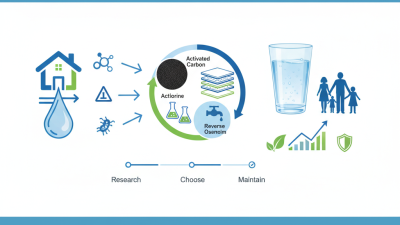
Reverse osmosis pushes water through a fine membrane under pressure. It can reduce many dissolved substances, though results depend on the system and its upkeep. Some water goes to drain, and the membrane needs periodic replacement. UV treatment uses ultraviolet light to inactivate many microorganisms as water passes the lamp. It does not remove particles, salts, or chemicals, and cloudy water can reduce its effectiveness. That detail is easy to miss. In practice, systems may combine stages: sediment protects later components, while carbon can improve taste before or after other treatment. Testing your water helps match a filter to an actual concern. The mental picture of water passing through a simple “cleaning ladder” is useful, but imperfect; no single stage catches everything.

How NSF/ANSI 42, 53, 55, and 58 Verify Filter Performance

What Is Home Water Filtration and How Does It Work?
How NSF/ANSI 42, 53, 55, and 58 Verify Filter Performance

Home water filters use materials or treatment processes to reduce specific impurities as water passes through. Their performance is not universal. NSF/ANSI standards help verify particular claims, but a standard number alone does not mean a filter removes every unwanted substance. Check the exact model and certified reduction claims.

NSF/ANSI 42 covers aesthetic effects, such as chlorine taste, odor, and certain particles. Standard 53 addresses specific health-related contaminants, including lead, when that reduction is listed. Standard 55 applies to ultraviolet systems that treat microorganisms; its performance depends on correct installation and operation. Standard 58 covers reverse osmosis systems and claims such as total dissolved solids reduction. The details matter.

Tips: Match the certified claim to a water test or local water-quality report. Look for the exact contaminant, not just a familiar number. Replace cartridges on schedule; a clogged filter may slow the flow, and overdue maintenance can undermine performance. Small print is worth reading. Even a certified system needs care.

What Is Home Water Filtration and How Does It Work? — How NSF/ANSI 42, 53, 55, and 58 Verify Filter Performance

Home water treatment systems use processes such as adsorption, particle filtration, reverse osmosis, or ultraviolet light to address specific water-quality concerns. NSF/ANSI standards provide test methods and performance requirements for the claims a product is certified to meet.

Standard Primary focus Examples of claims that may be tested How performance is evaluated What to check
NSF/ANSI 42 Aesthetic effects: characteristics that affect taste, odor, or appearance rather than health-based contaminant reduction. Reduction of chlorine taste and odor, and certain particulate classes or other aesthetic claims, depending on the product. Testing checks whether the system meets the stated reduction or performance requirements under defined test conditions. Look for the specific certified claim, such as chlorine taste and odor reduction. Certification to Standard 42 alone does not establish reduction of every contaminant.
NSF/ANSI 53 Health effects: reduction of specified contaminants that may have health significance. Depending on the certified product and claim, examples can include lead, certain volatile organic compounds, or cyst reduction. Testing evaluates the particular contaminant-reduction claims made for the system, along with applicable material-safety and structural requirements. Verify the exact contaminant named in the listing or product documentation. A Standard 53 certification does not mean the system reduces every health-related contaminant.
NSF/ANSI 55 Ultraviolet (UV) microbiological water-treatment systems. UV system performance is assessed according to its classification. Class A systems are intended to address bacteria, viruses, and cysts in contaminated water; Class B systems provide supplemental treatment for microbiologically safe water. Evaluation includes UV-system performance under specified operating conditions and the requirements applicable to its class. Check whether the system is Class A or Class B and follow its operating and maintenance instructions. UV treatment does not remove dissolved chemicals or particles.
NSF/ANSI 58 Reverse osmosis (RO) drinking-water treatment systems. Claims may include total dissolved solids (TDS) reduction and reduction of specifically listed contaminants; performance and efficiency-related requirements also apply. Testing evaluates the RO system against applicable requirements, including TDS reduction and any additional contaminant-reduction claims made for that model. Check the listed contaminant claims and system requirements. RO performance depends on installation, feed-water conditions, and maintenance; certification does not imply removal of every dissolved substance.

How to use this table: A standard describes testing and performance requirements; it is not a guarantee that every product certified to that standard reduces the same substances. Confirm the exact model and specific certified claims in a current certification listing, and replace cartridges or service the system as directed.

How to Maintain a System: Rated Capacity, Flow Rate, and Filter Changes

A home water filter works by passing water through media that trap particles or reduce selected contaminants. Its upkeep depends on the filter type and the water entering it. The WHO and UNICEF Joint Monitoring Programme reported that 2.2 billion people lacked safely managed drinking water in 2022. That figure is global, not a measure of household filter performance, but it underlines why local water quality matters.

Check the rated capacity, usually listed in gallons, and the service interval in the system instructions. Capacity is a test limit, not a guarantee that every household will get identical results. NSF/ANSI standards 42 and 53 assess specific contaminant-reduction claims under defined test conditions; certification does not mean a filter removes everything. Keep a note of the installation date and estimated use. Small detail, big consequence.

Flow rate offers another practical warning. If filling a kettle takes longer than usual, sediment or a loaded cartridge may be restricting flow. Time one litre of water occasionally and compare it with the system’s stated rate. Replace filters at the stated capacity or interval, whichever comes first, and follow the maker’s flushing directions. CDC guidance also stresses proper maintenance for household treatment devices. I have learned that waiting for a bad taste is a poor reminder; some performance changes are hard to notice. No single schedule fits every water source.

Build your system. Protect your boat. Join the movement.

Compare Products
Talk to Sales