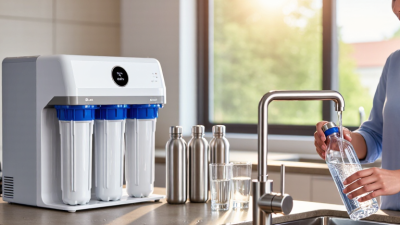
What Is Home Water Filtration and How Does It Work?
Clean water often looks ordinary: a clear glass beside the kitchen sink, without odor, color, or visible particles. Yet appearance cannot reveal lead, chlorine byproducts, bacteria, pesticides, or dissolved minerals. This is where home water filtration becomes practical, but not magical.
Dr. Joseph Cotruvo, a respected water-quality scientist and former U.S. Environmental Protection Agency official, has stated, “No single treatment removes every contaminant.” That warning deserves attention. A sediment filter may trap sand and rust. Activated carbon can reduce chlorine and some organic chemicals. Reverse osmosis can lower many dissolved substances, while ultraviolet systems target microorganisms. Each method addresses different problems.
The real question is not, “Which filter is best?” It is, “What does this water actually contain?” A laboratory test, local water report, and certified performance claim provide stronger guidance than a glossy package. NSF and ANSI certifications can help buyers compare tested reduction claims. Still, filters require timely cartridge changes. Neglect can reduce performance and create unpleasant odors.
A neglected filter is not harmless.
This article explains how home water filtration works, from incoming water pressure to the final glass. It also examines filter types, maintenance, certification, installation limits, and common misunderstandings. Some systems waste water. Others remove useful minerals. No option is perfect, and that is worth admitting before spending money. Proper selection begins with evidence, realistic expectations, and attention to the actual water entering the home.
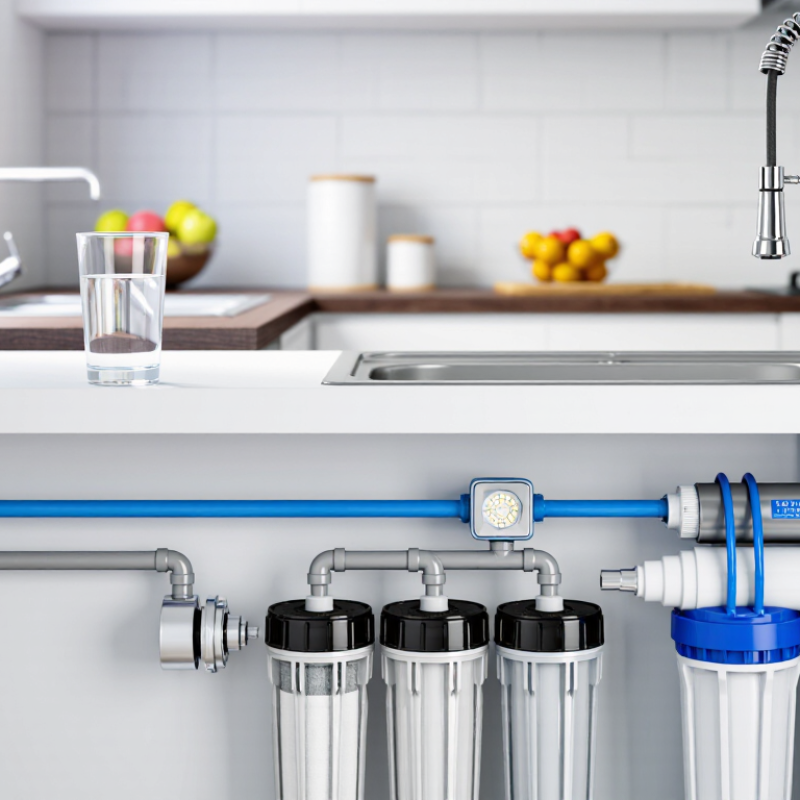
Home Water Filtration Defined: From Source Water to Point-of-Use Treatment
What Is Home Water Filtration and How Does It Work?
Home Water Filtration Defined: From Source Water to Point-of-Use Treatment
Home water filtration starts with source water, not the kitchen tap. Water may come from a municipal system, private well, rain collection system, or storage tank. Each source carries different concerns. The WHO/UNICEF Joint Monitoring Programme reported that 2.2 billion people lacked safely managed drinking water in 2022. That figure shows why treatment choices must begin with testing, not guesswork.
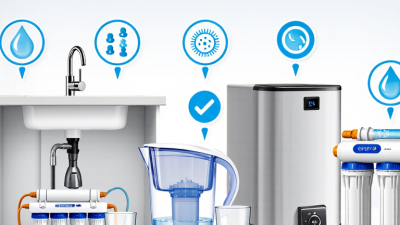
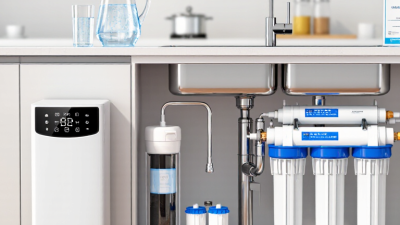
Filtration then moves toward the point of use. Sediment filters can catch sand, rust, and visible particles. Activated carbon may reduce chlorine, odors, and selected organic chemicals. Reverse osmosis can remove many dissolved substances, but it also produces wastewater and needs pressure. Ultraviolet treatment can control microorganisms, but it does not remove metals or chemicals. The U.S. EPA’s 2024 PFAS regulation reinforces one practical lesson: contaminants need specific, verified treatment claims. A general filter cannot solve every problem.
Tips: Test private well water at least annually, and test after flooding or repairs. Check certification against the contaminant you need to reduce. Replace cartridges on schedule. An old filter can become a neglected maintenance point. Follow installation instructions carefully, especially around leaks and storage tanks. Filtration is useful, but it is not a magic shield. I may overlook convenience when discussing performance; households also need realistic maintenance routines.
What Is Home Water Filtration and How Does It Work? - Home Water Filtration Defined: From Source Water to Point-of-Use Treatment
| Treatment Stage | Typical Location | Main Purpose | Common Target Contaminants | Common Technology | Important Consideration |
|---|---|---|---|---|---|
| Source Water Assessment | Before selecting a system | Identify water-quality problems and treatment goals | Microorganisms, metals, chemicals, hardness, sediment, odor, and taste issues | Certified water report, laboratory testing, or private-well testing | Treatment should be selected from current test results rather than taste or appearance alone. |
| Sediment Filtration | Point of entry or point of use | Capture larger suspended particles and protect downstream equipment | Sand, silt, rust particles, and visible debris | Depth filter, pleated filter, or spun-polypropylene filter | A finer filter can reduce flow more quickly and may require more frequent replacement. |
| Activated Carbon Treatment | Under-sink, countertop, pitcher, or whole-house system | Improve taste and odor and reduce selected organic chemicals | Chlorine, unpleasant tastes, odors, and some organic compounds | Granular activated carbon or carbon block | Performance depends on carbon quality, contact time, water chemistry, and timely cartridge replacement. |
| Iron and Manganese Control | Usually point-of-entry for well water | Reduce staining, metallic taste, and discoloration | Dissolved or oxidized iron and manganese | Oxidation, catalytic media, aeration, or specialized filtration | System selection depends on concentration, pH, dissolved oxygen, and whether the metals are dissolved or particulate. |
| Water Softening | Point of entry | Reduce hardness that causes scale and soap-use problems | Calcium and magnesium ions | Ion exchange resin | Softening changes the mineral balance of water; it is not a general-purpose solution for microbes or all chemicals. |
| Ultrafiltration | Point of use or point of entry | Physically separate fine particles and selected microorganisms | Suspended solids, bacteria, and some larger pathogens | Hollow-fiber or membrane filtration | It generally does not remove dissolved salts, hardness, or many small dissolved chemicals. |
| Reverse Osmosis | Usually under the kitchen sink | Reduce a broad range of dissolved substances in drinking water | Dissolved salts, certain metals, nitrate, fluoride, and other substances depending on certification | Semipermeable membrane with prefilters and a storage tank | It produces a reject-water stream, needs adequate pressure, and requires regular filter and membrane maintenance. |
| Ultraviolet Disinfection | Often point of entry for private wells | Inactivate microorganisms without adding a chemical disinfectant | Bacteria, viruses, and certain protozoa when properly designed and maintained | UV lamp and reactor chamber | Water must be sufficiently clear for UV light to work effectively; UV does not remove chemicals, metals, or sediment. |
| Point-of-Entry Treatment | Main water line entering the home | Treat water used throughout the property | Contaminants affecting bathing, laundry, appliances, and drinking water | Whole-house sediment, carbon, softening, iron control, or UV systems | The system must be sized for peak flow so that pressure and water availability remain adequate. |
| Point-of-Use Treatment | At a faucet or a single appliance | Provide targeted treatment for water used for drinking and cooking | Specific contaminants identified through testing | Faucet filter, pitcher, countertop unit, under-sink carbon, or reverse osmosis | It is often more efficient for a single drinking-water outlet but does not treat water at other fixtures. |