How to Choose the Best Water Purifier for Home?
Choosing a water purifier for home is more than comparing prices, flow rates, and attractive screens. It starts with the water entering your kitchen. The WHO/UNICEF Joint Monitoring Programme reported that 2.2 billion people lacked safely managed drinking water services in 2022. This figure shows why household treatment deserves careful attention, even where tap water appears clear. Clear water can still contain microorganisms, metals, salts, or chemical residues. Taste is not a laboratory result.
A reliable choice begins with a recent water-quality report or laboratory test. The U.S. Environmental Protection Agency explains that no single treatment system removes every contaminant. Therefore, match the purifier to a verified problem. NSF/ANSI 42 commonly covers aesthetic issues, such as chlorine taste and odor. NSF/ANSI 53 addresses specific health-related contaminants. Reverse-osmosis systems may use NSF/ANSI 58 certification. Check the exact contaminant claim, not only the certification logo. Also examine daily capacity, wastewater, electricity needs, installation space, and replacement-filter costs. A small cartridge under a crowded sink can become inconvenient quickly. Maintenance matters greatly.
No filter is perfect.
This guide compares common technologies, certification evidence, maintenance demands, and long-term value. It also considers family size and local water conditions. A purifier that works well in one apartment may perform poorly in another. I would not choose based on TDS readings alone. They measure dissolved substances, but they do not identify every health risk. That detail is easy to miss. Product claims can sound confident, yet independent testing and transparent documentation deserve greater trust. The best decision is practical, evidence-based, and open to revision when water conditions change.
Understanding Your Home’s Water Quality and Purification Needs
How to Choose the Best Water Purifier for Home?
Understanding your home’s water quality should come before choosing a purifier.
Start with your local water report, then test the tap at home. A basic test can measure hardness, chlorine, pH, and bacterial indicators. For well water, professional testing is more reliable. Water may look clear and still contain unwanted substances.
Notice practical clues. White scale around the kettle suggests hard water. A swimming-pool smell may indicate chlorine. Rust-colored marks can point to old pipes, though they do not identify the exact contaminant. TDS meters are useful, but they cannot reveal every health concern. This is an easy detail to misunderstand.
Choose technology for the problem, not for impressive specifications.
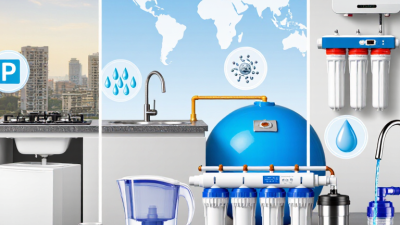
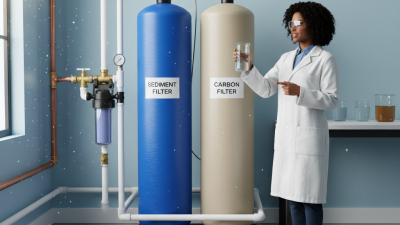
Activated carbon can improve taste and reduce some chemicals. Reverse osmosis can remove many dissolved substances, but it needs pressure, maintenance, and water drainage. Ultraviolet treatment targets microorganisms, yet it does not remove minerals or sediment. A sediment prefilter may protect the main system.
Check independent performance certification, replacement-filter costs, flow rate, and installation space.
Filters need timely replacement. Neglecting maintenance can reduce performance and create hygiene problems. I would also compare the purifier with your daily habits. A large household may need faster flow, while occasional users may prefer a simpler system. No choice is perfect. Test results can change, and old plumbing may remain the overlooked weakness.
Comparing the Main Types of Home Water Purifiers
How to Choose the Best Water Purifier for Home?
Comparing purifier types begins with the water entering your home. The WHO/UNICEF Joint Monitoring Programme reported that 2.2 billion people lacked safely managed drinking water in 2022. This figure makes local testing important, even when tap water looks clear. An accredited laboratory can identify lead, nitrates, bacteria, hardness, or excessive chlorine.
Activated carbon filters
Activated carbon filters are affordable and improve taste and odor. Some models also reduce specific chemicals, but performance depends on verified claims. Check NSF/ANSI 42 or 53 certification, not only attractive packaging.
Reverse osmosis
Reverse osmosis removes many dissolved contaminants and is useful for high mineral content. However, it needs pressure, regular filter changes, and wastewater. The EPA WaterSense specification limits certified point-of-use RO systems to 2.3 gallons of reject water per gallon treated.
The trade-off is real.
Ultraviolet systems can disinfect clear water without adding chemicals. They do not remove salts, metals, or cloudy particles, and electricity is essential. Distillation can produce very low-mineral water, but it is slow and energy intensive.
Whole-house filters suit sediment, chlorine, or odor concerns before water reaches every tap. They may be unnecessary for one drinking-water point. Start with testing. Maintenance matters.
The CDC advises replacing treatment components as directed because neglected filters can reduce water quality. I would not choose by taste alone; a clean taste may hide an unresolved contaminant.
Checking Filter Performance, Capacity, and Certification
Choosing a home water purifier starts with the contaminants in your supply, not its appearance. The WHO and UNICEF Joint Monitoring Programme reported that 2.2 billion people lacked safely managed drinking water in 2022. That figure shows why general claims deserve careful checking. Review local water reports, then match the purifier’s tested reductions to actual risks, such as lead, chlorine, microbes, or sediment. A high removal percentage can still mislead.
Filter performance should include independent test conditions, not only laboratory marketing. NSF/ANSI 42 generally covers taste and odor, while NSF/ANSI 53 addresses specific health effects. NSF/ANSI 58 applies to reverse osmosis systems. Certification confirms defined claims, but it does not mean every contaminant is removed. Check the exact model, standard, and contaminant list. Read the small print.
Capacity also affects daily reliability. Compare rated flow, treated gallons per day, and cartridge life with your household’s use. A slow purifier may frustrate a family filling several bottles each morning. A large capacity can also encourage neglected maintenance. The U.S. Environmental Protection Agency advises replacing filters according to manufacturer instructions, because exhausted media may lose effectiveness. Measure your tap flow with a one-liter container. It takes less than a minute. I would still question any system that hides test data, replacement costs, or wastewater volume. No certificate can compensate for poor maintenance.
Evaluating Installation, Maintenance, Cost, and Energy Use
How to Choose the Best Water Purifier for Home?
Evaluating Installation, Maintenance, Cost, and Energy Use
Start with a water test, not an attractive product description. Check hardness, sediment, chlorine, and possible microbial risks. Local water reports provide useful clues, but they may not reflect your building’s old pipes. A certified laboratory gives stronger evidence. Match the purifier to the actual problem.
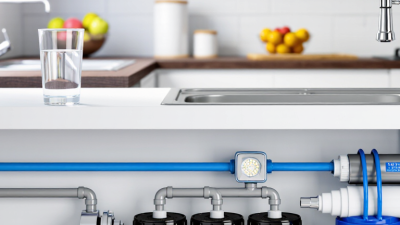
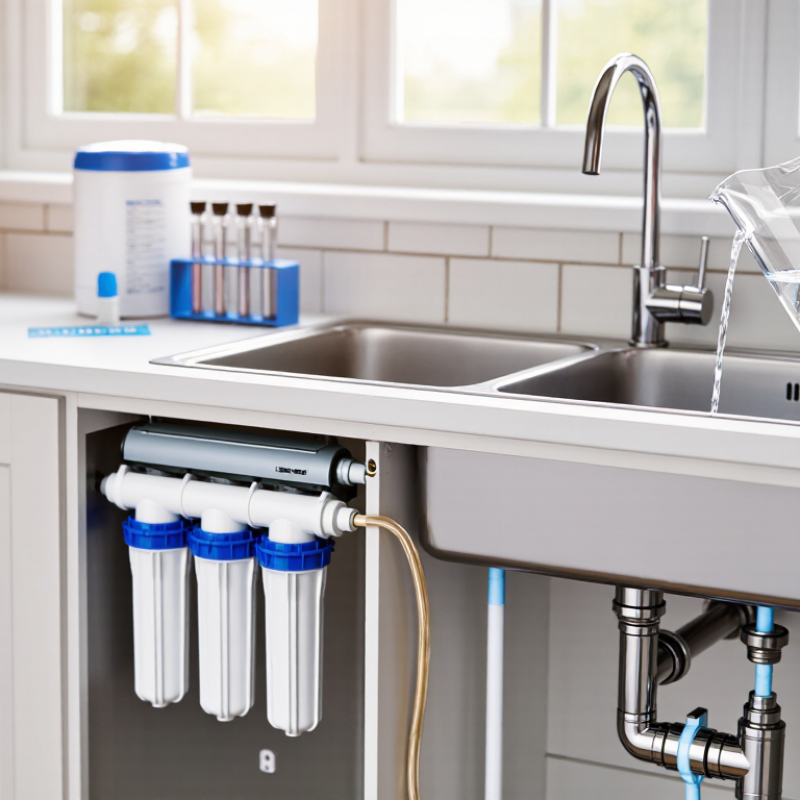
Installation affects daily convenience. Under-sink systems need cabinet space, a nearby drain, and suitable water pressure. Some models require drilling the countertop. Ask a qualified plumber to check connections and backflow protection. Poor installation can cause leaks, contamination, or weak water flow. Small details matter.
Maintenance is often underestimated. Replace cartridges according to measured use, not just calendar reminders. Keep a written log near the filter. Reverse osmosis systems may waste water and use electricity for pumping. Gravity systems usually consume no power, but they can filter more slowly. Compare annual cartridge prices, replacement labor, wastewater, and electricity bills. A low purchase price can become expensive after two years. Check the waste ratio carefully.
Look for independent safety certification and clear test reports. Claims without performance data deserve caution. Also check whether replacement parts remain available locally. I would not choose the most advanced system automatically. More features can mean more failures, louder operation, and harder cleaning. My first estimate might be wrong if water use changes seasonally, so review the real costs after three months.
How to Choose the Best Water Purifier for Home?
Compare typical residential purifier options by installation effort, annual maintenance frequency, electricity use, and initial equipment cost. Values are representative ranges for household systems; actual requirements vary by water quality, capacity, and local installation conditions.
How to read the chart: Gravity and ultrafiltration systems generally use little or no electricity, while reverse osmosis systems usually require more installation work, replacement parts, and energy. UV systems typically have moderate energy use and maintenance needs.
Selecting the Right Water Purifier for Your Household
Selecting the right water purifier for your household starts with your water source, not advertising claims. The WHO/UNICEF Joint Monitoring Programme reported in 2023 that 2.2 billion people lacked safely managed drinking water in 2022. Your household may face a smaller problem, such as chlorine taste, sediment, lead, bacteria, or excessive hardness. These risks require different treatment methods.
Test the water before choosing equipment. A recent municipal report can reveal regulated contaminants, while private-well users should arrange laboratory testing. In my experience, many households buy reverse osmosis systems for taste alone. That choice can waste water and remove useful minerals. A simpler activated-carbon filter may fit better.
Check certification against NSF/ANSI 42 for taste, 53 for specific health contaminants, or 58 for reverse osmosis. Certification must match the contaminant claim.
Look beyond the filter housing. Measure daily water use, kitchen space, pressure, replacement cost, and wastewater output. The UN World Water Development Report 2024 notes that agriculture uses roughly 70% of global freshwater withdrawals, making household waste worth considering.
Filters also need disciplined maintenance. Missed replacements can reduce performance and encourage microbial growth. Keep a written replacement date. Read the test report carefully. A purifier is useful, but it is not a substitute for safe storage, clean containers, or professional testing when results seem unusual.