What Are the Top Water Purification Systems in 2026?
Choosing among water purification systems in 2026 means matching treatment to the water you actually use. A clear glass is not proof of safety. Tap water, private wells, and travel supplies can pose different concerns, so no single device suits every home.
The WHO/UNICEF Joint Monitoring Programme reported that 2.2 billion people lacked safely managed drinking water in 2022. That global figure does not describe every household, but it underscores why treatment claims deserve scrutiny. The U.S. Environmental Protection Agency advises consumers to check local water-quality reports and select treatment for specific contaminants. NSF/ANSI certifications can help: Standard 42 covers certain aesthetic effects, while Standards 53 and 58 address specific health-related claims and reverse-osmosis systems. Certification is not a promise that a device removes every contaminant.
Water scientist Peter H. Gleick is often quoted as saying, “Water is the most important resource in the world.” That perspective makes practical choices matter. A carbon filter may improve taste and reduce certain substances; a reverse-osmosis unit can address others, but may require more maintenance and water. UV treatment can disinfect water, yet it does not remove chemicals or sediment. Read the exact performance data, not just the label. Check replacement costs, flow rate, and installation needs, too. These details are easy to overlook. And product rankings can change as certifications and models change. This guide compares leading options by treatment capability, verified claims, upkeep, and fit—while noting where the evidence leaves room for doubt.
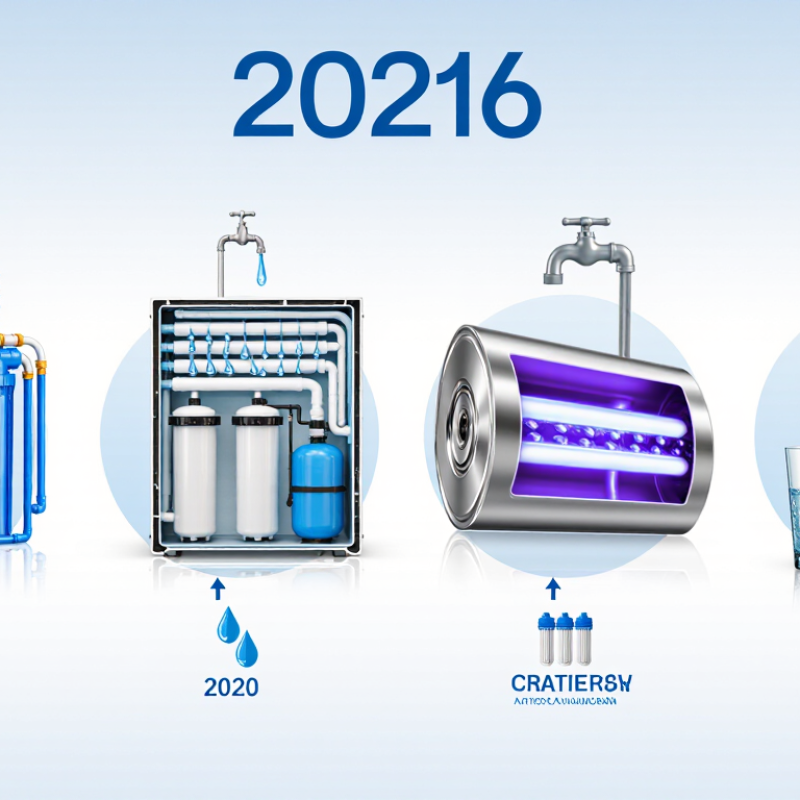
Understanding the Purpose of Water Purification Systems
Water purification systems are designed to reduce specific unwanted substances, not to make every water source identical. Depending on the technology, a system may reduce sediment, chlorine taste, certain metals, or microorganisms. The right choice depends on what is actually present in your water. A recent water quality report can help identify concerns; for private wells, periodic testing is especially useful. Clear water is not always clean water.
A system also needs to fit daily use. A pitcher may suit a small household, while an under-sink unit can provide treated water at a dedicated tap. Whole-home systems treat water at the point it enters the house, but they may not address every drinking-water concern. Check the treatment claims, flow rate, and filter replacement schedule. Maintenance matters. A neglected filter can perform poorly, and replacement costs are easy to underestimate. I used to think the most elaborate setup was automatically better. That is not always true.
Tips: Match treatment to a test result or a clearly identified concern. Follow the manufacturer’s replacement guidance, and keep a simple record of service dates. If the water’s taste, smell, or appearance changes suddenly, investigate the source rather than relying on a filter alone.
| System Type | Primary Purpose | Commonly Addressed Contaminants | Key Strength | Important Limitation | Typical Maintenance |
|---|---|---|---|---|---|
| Activated Carbon Filter | Improve taste and odor, and reduce selected chemical contaminants in drinking water. | Chlorine taste and odor; some filters are certified to reduce specific substances such as lead, certain volatile organic compounds, or PFAS. | Convenient point-of-use option that can improve the sensory quality of tap water. | Does not reliably remove dissolved salts, nitrates, or microorganisms unless the specific system is designed and certified for those claims. | Replace cartridges according to the manufacturer’s rated capacity and schedule. |
| Reverse Osmosis (RO) | Reduce a broad range of dissolved substances in drinking water. | Depending on system design and certification: dissolved salts, some metals, nitrate, and other specified contaminants. | Can substantially reduce many dissolved contaminants when correctly installed and maintained. | Produces reject water, may remove beneficial minerals, and does not guarantee removal of every contaminant. Check the certified performance claims. | Replace prefilters and postfilters as directed; replace the membrane at its specified interval. |
| Ultraviolet (UV) Disinfection | Inactivate disease-causing microorganisms in water. | Can inactivate many bacteria, viruses, and protozoa when the system is properly sized and operated. | Provides microbial treatment without adding a chemical disinfectant to the water. | Does not remove dissolved chemicals, salts, or particles. Water may need prefiltration because turbidity can reduce UV effectiveness. | Keep the quartz sleeve clean and replace the UV lamp according to the system instructions. |
| Ion-Exchange Softener | Reduce water hardness to limit scale and improve household water use. | Primarily calcium and magnesium ions; specialized resin systems can target certain other ions. | Helps reduce scale formation in plumbing and water-using appliances. | Conventional softeners are not general-purpose drinking-water purifiers and do not disinfect water. | Replenish regeneration salt when required and service the resin system as directed. |
| Ultrafiltration (UF) | Remove suspended particles and many microorganisms through a fine membrane. | Often reduces sediment, bacteria, and protozoa; actual performance depends on membrane rating and system certification. | Can provide particle and microbial filtration without the reject-water stream typical of many RO systems. | Generally does not remove dissolved salts or many small dissolved chemicals. | Clean or replace the membrane and prefilter according to the specified service schedule. |
| Distillation | Separate water from many dissolved and non-volatile substances by evaporation and condensation. | Can reduce many dissolved minerals and metals; performance varies for volatile compounds and depends on system design. | Uses a physical separation process that can reduce a wide range of dissolved substances. | Usually slower and energy-intensive; volatile contaminants may require an additional treatment stage. | Remove mineral scale and clean the boiling chamber and collection components as instructed. |
| Sediment Filter | Capture visible particles and protect downstream treatment equipment. | Sand, rust, silt, and other suspended particles, depending on the filter’s micron rating. | Useful as a pretreatment stage where water contains sediment. | Does not remove dissolved chemicals, salts, or microorganisms on its own. | Replace or clean the filter when required by its capacity, pressure drop, or service instructions. |
| Choosing a System | Select treatment based on the water source and the contaminants that need to be addressed. | Use a recent water-quality report or laboratory test to identify relevant contaminants. | Matching treatment to test results avoids relying on a system that does not address the actual concern. | No single system removes every possible contaminant. Verify independent certification and the exact contaminant-reduction claims for the model being considered. | Follow installation, filter-replacement, and disinfection instructions to maintain performance. |
Related Posts
-
How to Choose the Best Water Filter System?
-
Top 10 Tips for Choosing the Best House Water Filter System for Your Home
-
Top 10 Best Water Filtration Systems for Home You Should Consider?
-

How to Choose the Best Water Filter System for Home Use?
-
Best Water Filtration System for Home What to Choose?
-
What is the Best Water Purification System for Your Needs?